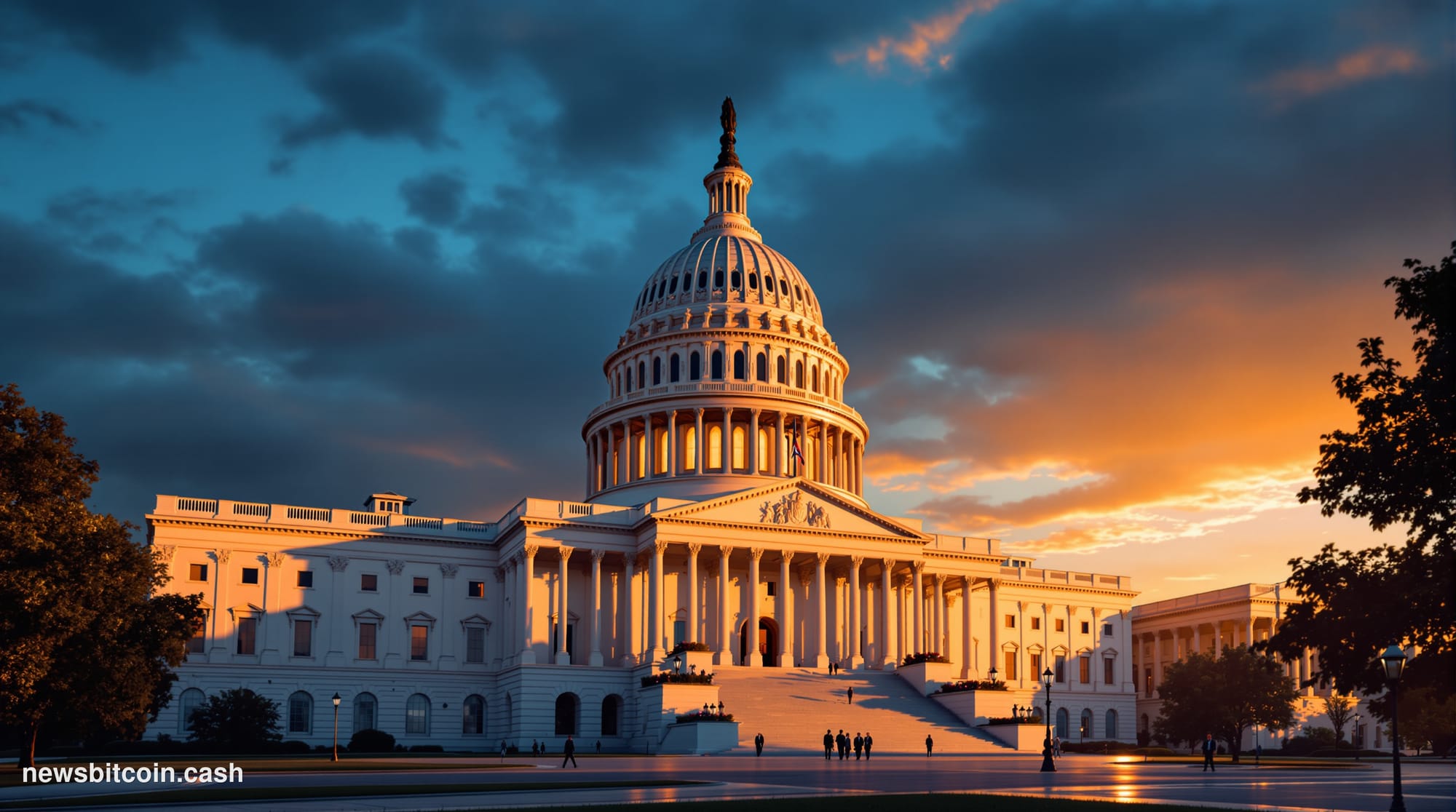
The Biden administration has set an ambitious Independence Day deadline for passage of cryptocurrency's most consequential regulatory framework, as White House crypto adviser Patrick Witt outlined a compressed legislative timeline that would deliver the Clarity Act by July 4. The aggressive schedule reflects growing urgency within the executive branch to establish comprehensive digital asset regulations before the summer congressional recess.
According to Witt, the Senate Banking Committee plans to conduct markup proceedings on the legislation this month, creating a narrow window for floor consideration. With May reserved for committee work, senators would have just four working weeks in June to shepherd the bill through floor debate, amendments, and final passage before the July 4 target date.
The timeline represents one of the most accelerated legislative pushes for crypto regulation in congressional history. The Clarity Act, which aims to establish definitive regulatory frameworks for digital assets, has been years in development across multiple congressional sessions. The White House's decision to compress final passage into such a brief timeframe suggests both confidence in bipartisan support and recognition that regulatory uncertainty continues to hamper American competitiveness in global crypto markets.
Witt's comments reveal the administration's strategic calculation that summer passage would provide regulatory certainty ahead of the 2026 midterm election cycle, when legislative priorities traditionally shift toward campaign considerations. The July 4 symbolism also offers political advantages, framing crypto regulation as part of America's economic independence and technological sovereignty narrative.
The compressed schedule places enormous pressure on Senate Banking Committee leadership to resolve remaining technical disputes and stakeholder concerns during May markup sessions. Industry observers have noted that previous attempts at comprehensive crypto legislation have foundered on definitional disagreements around securities classification, decentralized finance protocols, and stablecoin frameworks. The committee must navigate these complex issues while maintaining momentum toward the Independence Day deadline.
For crypto markets, the timeline creates a definitive decision point after years of regulatory ambiguity. Major exchanges like Coinbase and institutional players have repeatedly cited regulatory uncertainty as barriers to innovation and capital deployment. A July passage would provide clarity for the crucial third quarter, traditionally when institutional investors finalize year-end portfolio allocations.
The accelerated timeline also reflects lessons learned from previous legislative failures. Rather than allowing the bill to languish in committee indefinitely, the White House appears determined to force action through deadline pressure. This approach mirrors successful infrastructure and climate legislation strategies where artificial deadlines created momentum for compromise and passage.
However, the ambitious schedule carries significant risks. Rushing complex financial legislation through committee markup and floor consideration leaves little room for addressing unexpected opposition or technical concerns that emerge during debate. The crypto industry's rapid evolution means that even minor definitional errors could have far-reaching consequences for innovation and market development.
What this means for the broader crypto ecosystem extends far beyond regulatory compliance. July passage would establish the United States as the first major economy with comprehensive digital asset legislation, potentially attracting global capital and talent currently flowing to more crypto-friendly jurisdictions. The Independence Day deadline, if met, would mark a historic inflection point where American lawmakers moved from regulatory resistance to legislative leadership in the digital economy transformation.
Written by the editorial team — independent journalism powered by Bitcoin News.