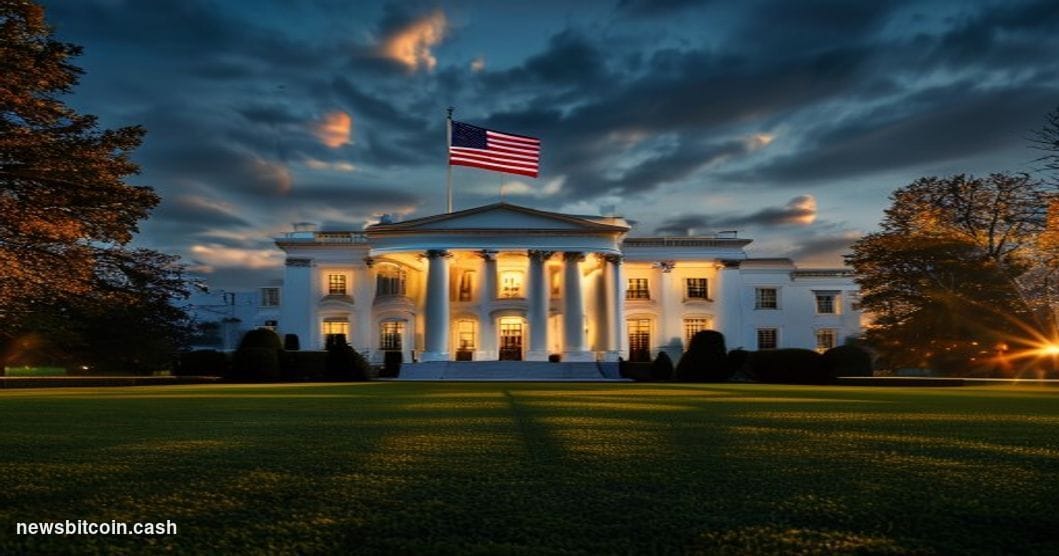
The United States government appears poised to make history with what could become the world's first sovereign Bitcoin strategic reserve, as White House officials signal that a formal announcement is imminent following the resolution of critical legal obstacles.
Patrick Witt, speaking on behalf of the administration, confirmed that key legal hurdles have been cleared, describing the development as "a breakthrough" that paves the way for an official policy declaration. The timing suggests the announcement could materialize within weeks, marking a dramatic evolution in the federal government's approach to cryptocurrency assets.
The legal framework underpinning such a reserve has long represented the primary challenge for policymakers. Unlike traditional strategic reserves for oil or other commodities, Bitcoin's classification as a digital asset created novel regulatory questions about custody, valuation, and Congressional authorization. The administration's success in navigating these complexities indicates sophisticated legal engineering behind the scenes, likely involving coordination between Treasury, Justice Department, and Federal Reserve officials.
A U.S. Strategic Bitcoin Reserve would fundamentally alter global monetary dynamics. While central banks have accumulated gold reserves for centuries, Bitcoin represents an entirely new category of sovereign asset—one with fixed supply mechanics and independence from traditional banking infrastructure. The precedent could trigger competitive accumulation among other nations, particularly as countries seek alternatives to dollar-denominated reserves.
The policy implications extend beyond mere asset diversification. Bitcoin's decentralized architecture offers strategic advantages during financial sanctions regimes or periods of dollar weaponization concerns from trading partners. For a reserve currency issuer like the United States, holding Bitcoin could paradoxically strengthen dollar hegemony by demonstrating technological adaptability and reducing incentives for rivals to develop competing digital currencies.
Implementation details remain unclear, but precedent from state-level Bitcoin adoption suggests federal execution could involve partnerships with qualified custodians rather than direct government wallet management. The scale of potential acquisition represents another critical variable—whether measured in thousands or hundreds of thousands of Bitcoin—with market impact implications that extend far beyond government balance sheets.
The announcement's timing coincides with broader institutional Bitcoin adoption trends, from corporate treasury allocations to exchange-traded fund approvals. Federal participation would legitimize Bitcoin as a store-of-value asset class while potentially accelerating adoption among pension funds, sovereign wealth funds, and other large institutional holders previously constrained by regulatory uncertainty.
Market participants now await specific details about funding mechanisms, acquisition timelines, and custodial arrangements. The legal breakthrough referenced by Witt suggests these operational questions have viable solutions, positioning the United States to lead rather than follow in the emerging era of digital asset reserves. Whether other nations respond with their own Bitcoin accumulation programs could determine whether this becomes an isolated experiment or the beginning of a new chapter in monetary policy.
Written by the editorial team — independent journalism powered by Bitcoin News.