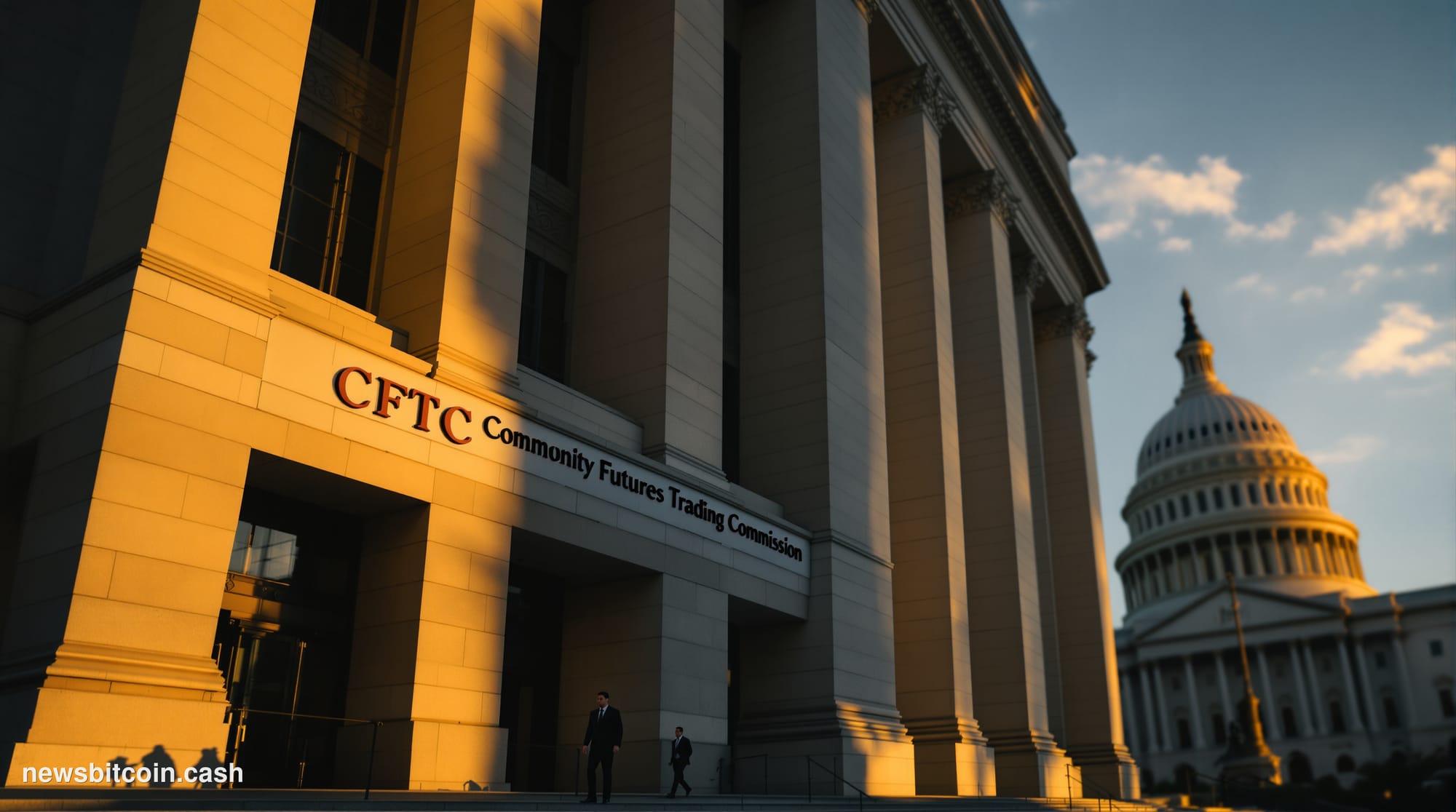
Senator Elizabeth Warren has intensified her scrutiny of the Commodity Futures Trading Commission (CFTC), demanding answers about the agency's oversight capabilities for cryptocurrency markets and prediction platforms amid what she describes as concerning workforce reductions and enforcement policy changes under the current administration.
The Massachusetts Democrat's latest intervention represents a significant escalation in congressional oversight of crypto regulation, coming at a time when the CFTC's role in digital asset supervision has expanded considerably. Warren's concerns center on whether the agency maintains sufficient resources and regulatory focus to effectively monitor increasingly complex crypto derivatives markets and emerging prediction market platforms that have gained prominence in recent years.
The senator's pointed questions about workforce cuts strike at a fundamental challenge facing crypto regulation: the mismatch between rapidly expanding digital asset markets and the bureaucratic capacity to oversee them. As cryptocurrency trading volumes have surged and new financial products have proliferated, regulatory agencies have struggled to scale their operations accordingly. Warren's intervention suggests that these resource constraints may have reached a critical threshold at the CFTC.
Her focus on enforcement changes under the Trump administration reflects broader partisan tensions over crypto regulatory philosophy. While the previous administration generally pursued a more accommodating stance toward digital assets, critics like Warren have consistently argued for stricter oversight and enforcement. The workforce reductions she highlights likely reflect broader federal spending priorities that have prioritized industry-friendly policies over aggressive regulatory expansion.
The CFTC's jurisdiction over crypto markets has grown substantially as traditional derivatives structures have been applied to digital assets. Bitcoin and Ethereum futures contracts, perpetual swaps, and other cryptocurrency derivatives now represent billions in daily trading volume under CFTC oversight. Simultaneously, prediction markets have emerged as a significant new category requiring regulatory attention, particularly as they intersect with political events and potentially sensitive information markets.
Warren's timing appears deliberate, as the crypto industry faces mounting pressure from multiple regulatory fronts. The Securities and Exchange Commission (SEC) has pursued an aggressive enforcement agenda against various crypto projects, while the Treasury Department has implemented new reporting requirements for digital asset transactions. The CFTC's role as a derivatives regulator positions it as a crucial piece of this broader regulatory puzzle.
The implications extend beyond immediate regulatory concerns to fundamental questions about market structure and systemic risk. As crypto derivatives markets mature and attract institutional participation, the CFTC's oversight capacity directly affects market stability and investor protection. Warren's intervention suggests that congressional Democrats view current staffing and enforcement levels as inadequate for these responsibilities.
This regulatory pressure arrives as the crypto industry has largely consolidated around major platforms and institutional players who generally welcome clearer regulatory frameworks. However, the specific nature of Warren's concerns about workforce cuts and enforcement changes suggests her focus may be on ensuring robust supervision rather than blanket opposition to crypto markets themselves.
The broader context includes ongoing debates about crypto's role in the traditional financial system and the appropriate level of regulatory oversight for digital assets. Warren's position as a prominent financial services hawk gives her inquiries particular weight, potentially influencing both CFTC policy and broader congressional approaches to crypto regulation. Her demands for answers signal that Democratic oversight of crypto regulation will likely intensify regardless of broader political dynamics affecting the sector.
Written by the editorial team — independent journalism powered by Bitcoin News.