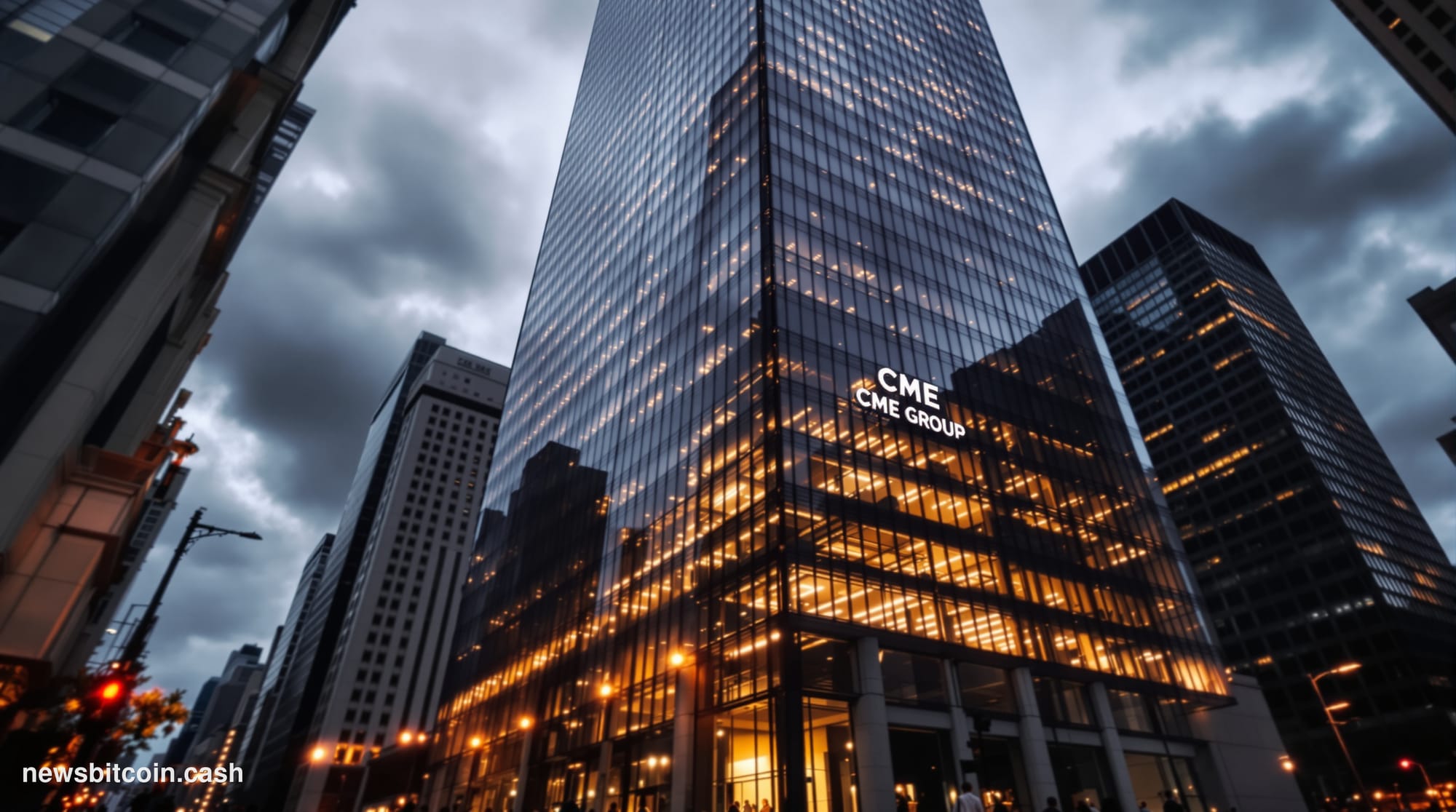
The traditional finance establishment is mobilizing against decentralized trading, with CME Group and Intercontinental Exchange actively lobbying Washington regulators to impose oversight on Hyperliquid, one of the fastest-growing decentralized perpetual futures platforms. This coordinated effort signals a fundamental shift in how legacy financial institutions view the competitive threat posed by decentralized finance protocols.
The lobbying campaign centers on two critical concerns that resonate deeply with regulators: market manipulation risks and sanctions compliance gaps. Traditional exchanges argue that Hyperliquid's decentralized structure creates regulatory blind spots that could be exploited by bad actors seeking to manipulate markets or circumvent international sanctions. These arguments carry particular weight in Washington, where policymakers remain sensitive to crypto's potential role in sanctions evasion following the Russia-Ukraine conflict.
CME Group, which operates the world's largest derivatives marketplace, and ICE, which owns the New York Stock Exchange, bring considerable political influence to this regulatory battle. Both institutions have invested heavily in compliance infrastructure and argue that unregulated competitors operating outside traditional oversight frameworks create unfair market conditions. Their lobbying efforts represent a strategic attempt to level the playing field by forcing DeFi protocols to adopt similar regulatory burdens.
Hyperliquid has emerged as a particular target due to its rapid growth and sophisticated trading features that directly compete with traditional derivatives exchanges. The platform's on-chain order book and native token ecosystem have attracted significant trading volume, creating a credible challenge to established players. Unlike centralized exchanges that maintain clear regulatory relationships, Hyperliquid operates as a decentralized protocol with governance distributed among token holders.
The regulatory push reflects broader tensions between innovation and oversight in digital asset markets. Traditional exchanges face a complex competitive landscape where DeFi protocols can offer similar services without the regulatory overhead that constrains legacy institutions. This asymmetry has prompted established players to seek regulatory intervention rather than compete solely on product features and user experience.
Potential regulation of Hyperliquid could establish precedents that reshape the entire decentralized trading ecosystem. If Washington regulators respond favorably to industry lobbying, other DeFi protocols offering derivatives and perpetual futures could face similar oversight requirements. This regulatory framework might include know-your-customer requirements, transaction monitoring, and compliance reporting that fundamentally alter how decentralized exchanges operate.
The outcome of this lobbying effort will likely influence whether DeFi protocols can maintain their permissionless, decentralized characteristics while operating in major markets. Success for traditional exchanges could trigger a wave of regulatory actions targeting other DeFi platforms, while regulatory rejection might signal continued tolerance for alternative market structures that challenge established financial institutions.
What emerges from this Washington battle will determine whether decentralized finance can maintain its disruptive potential or must conform to traditional regulatory frameworks. The stakes extend far beyond Hyperliquid itself, potentially defining the future relationship between legacy finance and blockchain-based alternatives across global markets. Traditional exchanges are betting that regulatory capture can succeed where direct competition has struggled, fundamentally altering the trajectory of financial innovation.
Written by the editorial team — independent journalism powered by Bitcoin News.