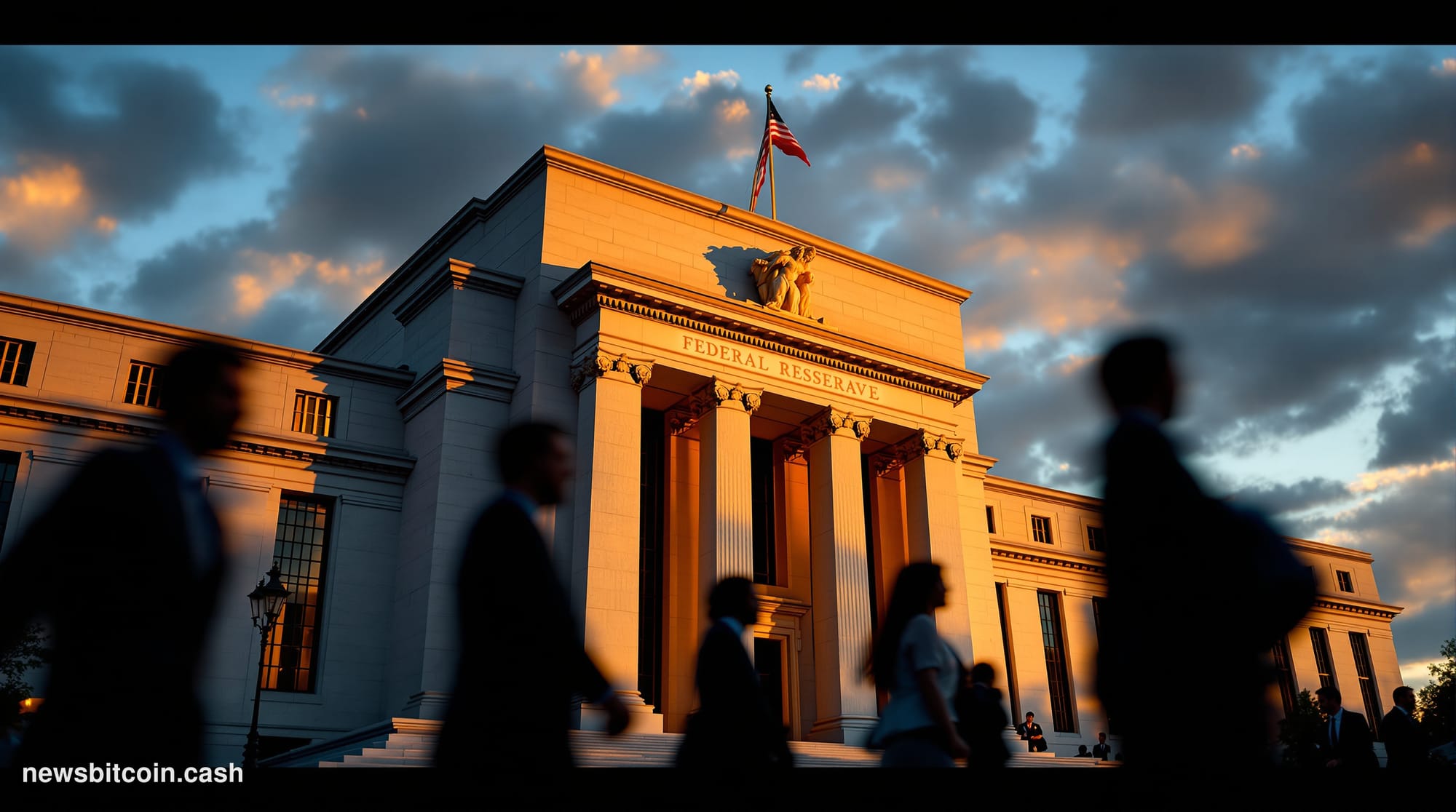
President Trump's latest executive order directing the Federal Reserve to review non-bank access to payment rails represents a potentially seismic shift in financial infrastructure policy. The directive signals a fundamental reconsideration of who gets to participate in the plumbing that moves money through the American economy.
The executive order could reshape financial landscapes by leveling the playing field for fintechs, directly impacting traditional banking dynamics that have long protected incumbents. This move touches the core of financial infrastructure—the payment rails that process everything from your morning coffee purchase to billion-dollar corporate transfers.
Payment rails access has historically been the exclusive domain of chartered banks, creating a natural moat around traditional financial institutions. Non-bank entities—including fintech companies, crypto platforms, and payment processors—have been forced to rely on banking partners or complex workarounds to access these critical systems. This dependency relationship has constrained innovation and maintained the banking sector's gatekeeping role over financial flows.
Infrastructure Access as Competitive Weapon
The current payment infrastructure hierarchy reflects decades of regulatory decisions that prioritized stability over competition. Banks enjoy direct access to systems like Fedwire and the Automated Clearing House network, while non-banks must navigate a complex web of sponsorship arrangements. These relationships often come with significant costs, operational constraints, and potential points of failure that can cripple fintech operations.
Trump's directive acknowledges what industry observers have long recognized: the existing framework may be stifling innovation in financial services. Companies like Stripe, Square, and various crypto exchanges have built massive businesses while operating at arm's length from core payment infrastructure. Direct access could unlock new business models and reduce systemic risks associated with banking partner dependencies.
The implications extend beyond traditional fintech into the digital asset ecosystem. Crypto companies have faced particular challenges in accessing banking services, forcing many to establish complex international structures or rely on a shrinking pool of crypto-friendly banks. Direct payment rail access could provide a pathway to more stable operations for legitimate digital asset businesses.
Federal Reserve's Balancing Act
The Federal Reserve now faces the complex task of evaluating how to maintain financial stability while potentially opening critical infrastructure to new participants. The central bank's traditional role as banking system overseer conflicts with a broader mandate to support innovation and competition in financial services.
Any expansion of payment rail access would require robust oversight mechanisms to prevent systemic risks. Non-bank entities would likely face stringent capital requirements, operational standards, and ongoing supervision similar to what banks currently experience. The Fed must balance innovation incentives against the potential for new failure modes in critical financial infrastructure.
The review process will inevitably examine how other jurisdictions have approached this challenge. The European Union's Payment Services Directive and the United Kingdom's approach to challenger banks provide potential models for expanding access while maintaining oversight. However, the scale and complexity of U.S. payment systems present unique challenges that require tailored solutions.
Market Dynamics in Flux
Traditional banks are likely to resist any changes that erode their competitive advantages in payment processing. The banking lobby has historically argued that their regulatory burden and capital requirements justify exclusive access to payment infrastructure. Direct non-bank access could undermine fee income streams that banks have relied upon for decades.
Conversely, fintech companies and their investors see this as a potential breakthrough moment. Companies that have built successful businesses despite infrastructure constraints could see significant operational improvements and cost reductions from direct access. The order suggests recognition at the highest levels of government that financial infrastructure policy directly impacts innovation and competition.
The executive order's timing reflects broader trends toward financial system modernization and increased scrutiny of traditional banking's role in the economy. As digital payments continue displacing cash and check transactions, questions about who controls payment infrastructure become increasingly important for economic competitiveness.
Whether this review leads to meaningful policy changes remains uncertain, but the directive signals serious consideration of fundamental reforms to financial infrastructure access. The Federal Reserve's response will likely shape the competitive landscape for payment services for years to come, potentially determining whether the United States maintains its position as a global fintech leader or cedes ground to more open regulatory frameworks elsewhere.
Written by the editorial team — independent journalism powered by Bitcoin News.