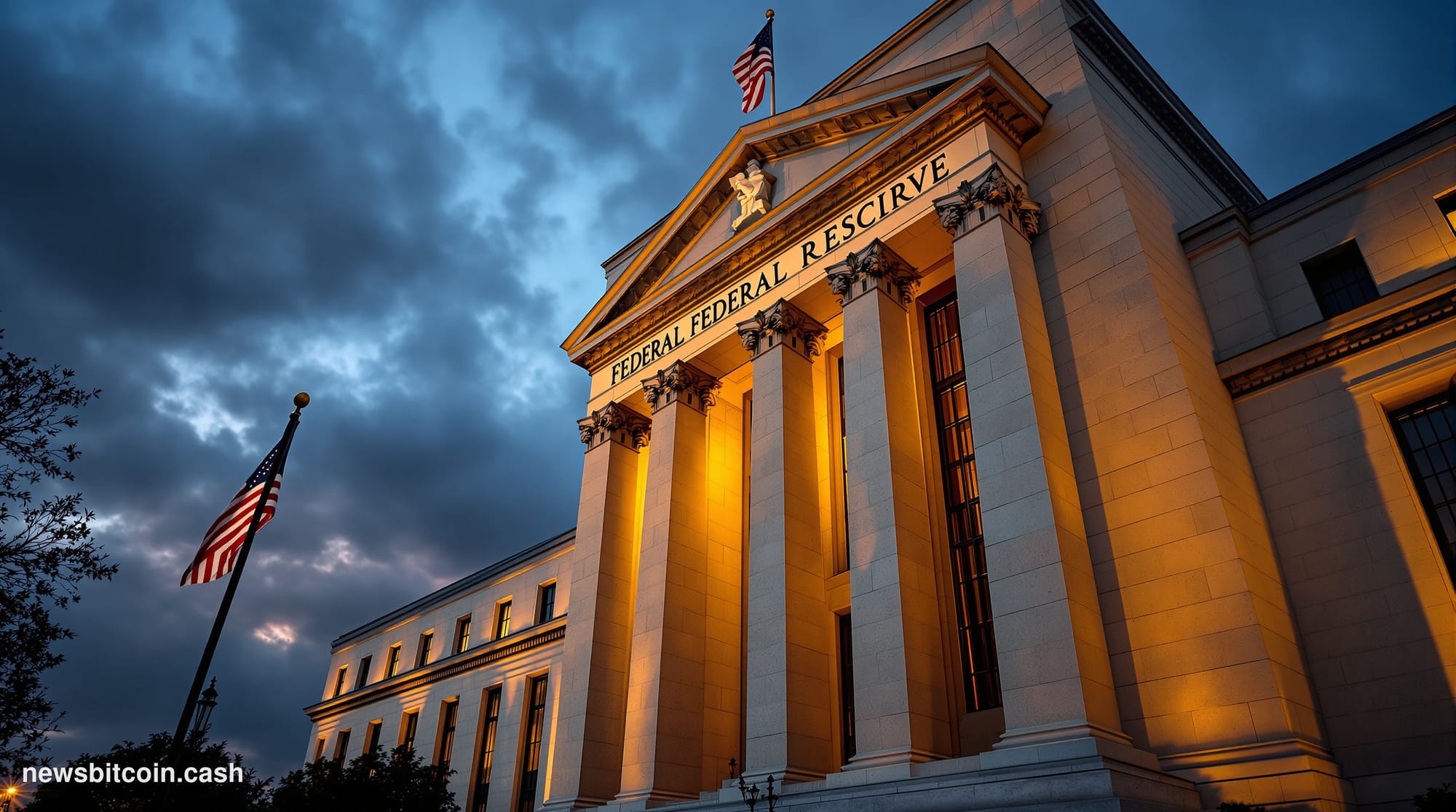
President Donald Trump has issued a sweeping executive order directing federal financial regulators to streamline fintech regulations and specifically instructing the Federal Reserve to evaluate payment system access for cryptocurrency firms within 120 days. The directive represents the most concrete regulatory action yet from the Trump administration regarding digital asset infrastructure integration into traditional banking systems.
The executive order establishes a four-month deadline for the Fed to assess and potentially implement mechanisms that would grant cryptocurrency companies direct access to payment rails currently reserved for traditional financial institutions. This timeline suggests the administration views payment system access as a critical bottleneck preventing broader crypto adoption and economic integration.
The broader regulatory streamlining mandate encompasses the entire fintech sector, signaling Trump's intention to position the United States as a leader in financial technology innovation. The order appears designed to address longstanding complaints from crypto firms that have struggled to secure reliable banking relationships and payment processing capabilities, often citing regulatory uncertainty and compliance burdens as primary obstacles.
Federal Reserve payment systems, including the Fedwire funds transfer system and the Automated Clearing House network, currently serve as the backbone for most institutional money movement in the United States. Granting crypto firms direct access to these systems would represent a fundamental shift in how digital asset companies operate, potentially eliminating the need for traditional banking intermediaries that have historically been reluctant to serve the sector.
The 120-day timeline creates significant pressure on Fed officials to develop concrete policy frameworks rather than continuing the prolonged deliberation that has characterized crypto regulation over the past several years. This compressed schedule suggests the administration expects actionable decisions rather than extended study periods that have previously delayed crypto policy implementation.
The executive order's focus on fintech regulation streamlining extends beyond cryptocurrency to encompass digital payments, lending platforms, and other financial technology innovations. This comprehensive approach indicates the administration's recognition that outdated regulatory frameworks may be hindering American competitiveness in the global financial technology landscape.
Traditional banking institutions have maintained cautious approaches to crypto relationships, often citing regulatory uncertainty and compliance risks as justification for restricting services to digital asset firms. Direct Fed payment access could fundamentally alter this dynamic by providing crypto companies with infrastructure independence from traditional banking intermediaries.
The timing of this executive order coincides with increasing global competition in cryptocurrency adoption and financial technology innovation. Other major economies have begun implementing more accommodating regulatory frameworks for digital assets, creating potential competitive disadvantages for American firms operating under more restrictive conditions.
Implementation of the executive order will likely require extensive coordination between multiple federal agencies, including the Federal Reserve, Office of the Comptroller of the Currency, and Federal Deposit Insurance Corporation. The success of the initiative depends on these agencies' ability to develop cohesive policies within the compressed timeline while maintaining appropriate risk management standards.
This regulatory directive represents a significant test of the Federal Reserve's independence and technical capabilities in rapidly developing policy frameworks for emerging technologies. The central bank's response will likely establish precedents for how traditional financial infrastructure adapts to accommodate digital asset innovation while preserving system stability and regulatory oversight.
Written by the editorial team — independent journalism powered by Bitcoin News.