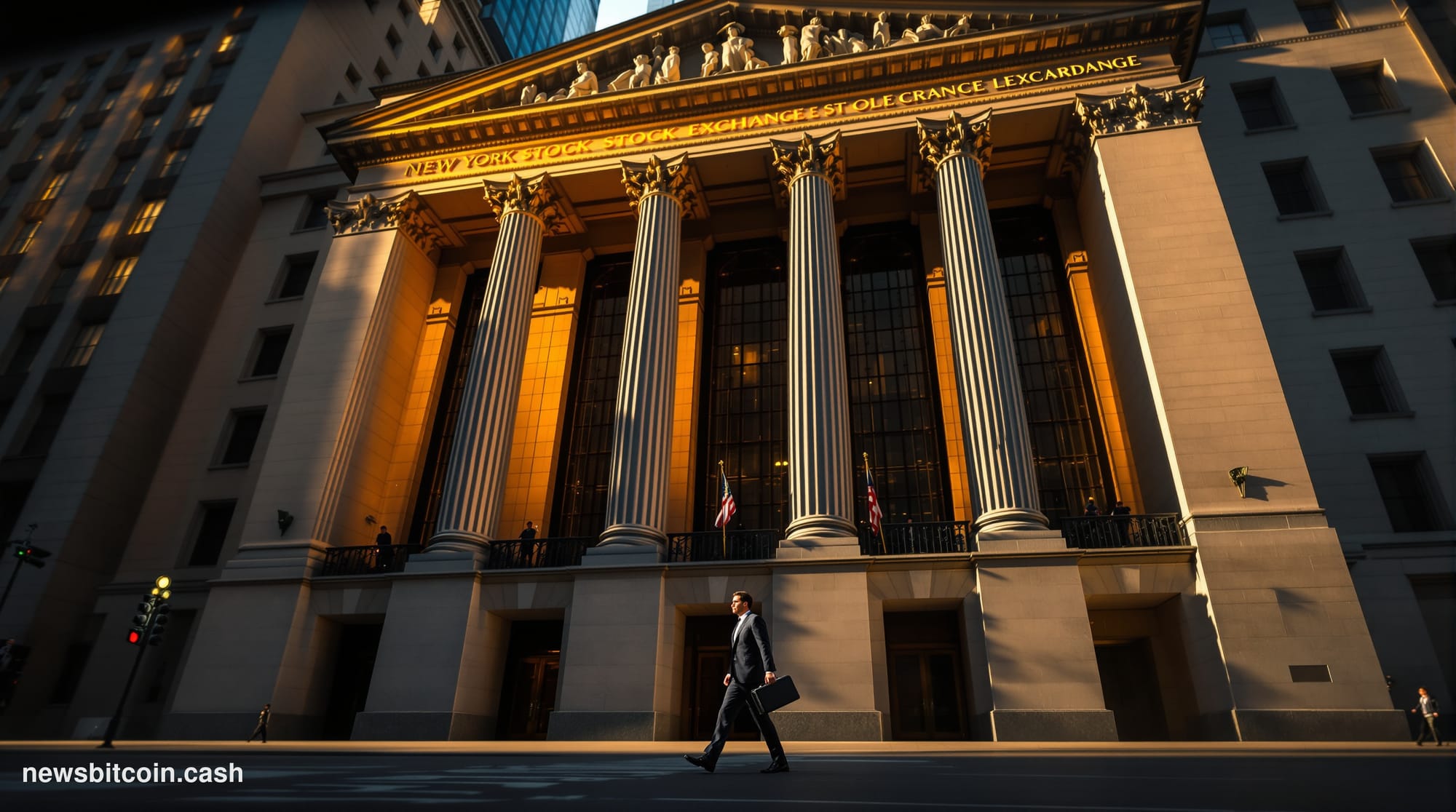
The battle lines between traditional finance and decentralized protocols have sharpened dramatically as CME Group and the New York Stock Exchange mount a coordinated lobbying campaign pressuring Washington regulators to bring Hyperliquid under formal oversight. The push centers on allegations of market manipulation vulnerabilities and sanctions compliance gaps that the established exchanges argue pose systemic risks to financial stability.
This regulatory offensive represents a pivotal moment in the evolution of decentralized finance infrastructure. Hyperliquid has emerged as one of the most sophisticated decentralized derivatives platforms, processing billions in trading volume while operating outside traditional regulatory frameworks. The platform's rapid growth and institutional adoption have clearly caught the attention of legacy exchanges, which now face direct competition from protocols offering similar products without the regulatory overhead that defines traditional markets.
The manipulation concerns raised by CME and NYSE reflect genuine structural differences between centralized and decentralized trading systems. Traditional exchanges operate with comprehensive surveillance systems, position limits, and real-time monitoring capabilities that can detect and prevent market abuse. Decentralized protocols, by contrast, rely primarily on algorithmic mechanisms and community governance, creating potential blind spots in market oversight that sophisticated actors could exploit.
Sanctions compliance presents an even more complex challenge for decentralized platforms. While traditional exchanges maintain robust know-your-customer protocols and can instantly freeze accounts or block transactions from sanctioned entities, decentralized protocols struggle with similar enforcement mechanisms. This gap becomes particularly problematic as institutional capital flows into DeFi platforms, potentially creating channels for sanctions evasion that regulators cannot effectively monitor or control.
The timing of this lobbying effort suggests traditional exchanges recognize the existential threat posed by fully decentralized alternatives. Hyperliquid's architecture eliminates many of the intermediary functions that generate revenue for established exchanges, from clearing and settlement to custody and compliance reporting. If regulators allow such platforms to operate without equivalent oversight requirements, it could fundamentally undermine the competitive position of traditional markets.
However, the regulatory response to this campaign will likely determine the future trajectory of decentralized trading infrastructure. Heavy-handed regulation that imposes traditional compliance frameworks on decentralized protocols could stifle innovation and drive development offshore, potentially weakening American competitiveness in emerging financial technologies. Conversely, light-touch regulation might fail to address the legitimate concerns about market integrity and sanctions compliance that underpin the exchanges' arguments.
The global implications of any regulatory action extend far beyond American borders. Other jurisdictions are closely watching Washington's approach to DeFi regulation, with many likely to adopt similar frameworks if the United States establishes clear precedents. European regulators have already signaled interest in comprehensive DeFi oversight through the Markets in Crypto-Assets regulation, while Asian financial centers continue developing their own approaches to decentralized platform supervision.
What emerges from this regulatory battle will fundamentally reshape how decentralized trading platforms operate and compete with traditional infrastructure. If regulators side with CME and NYSE concerns, expect to see hybrid models that combine DeFi innovation with traditional compliance frameworks. If Hyperliquid and similar platforms successfully resist comprehensive regulation, the competitive landscape for derivatives trading could shift dramatically toward decentralized alternatives, forcing traditional exchanges to adapt or risk obsolescence in an increasingly automated and permissionless financial system.
Written by the editorial team — independent journalism powered by Bitcoin News.