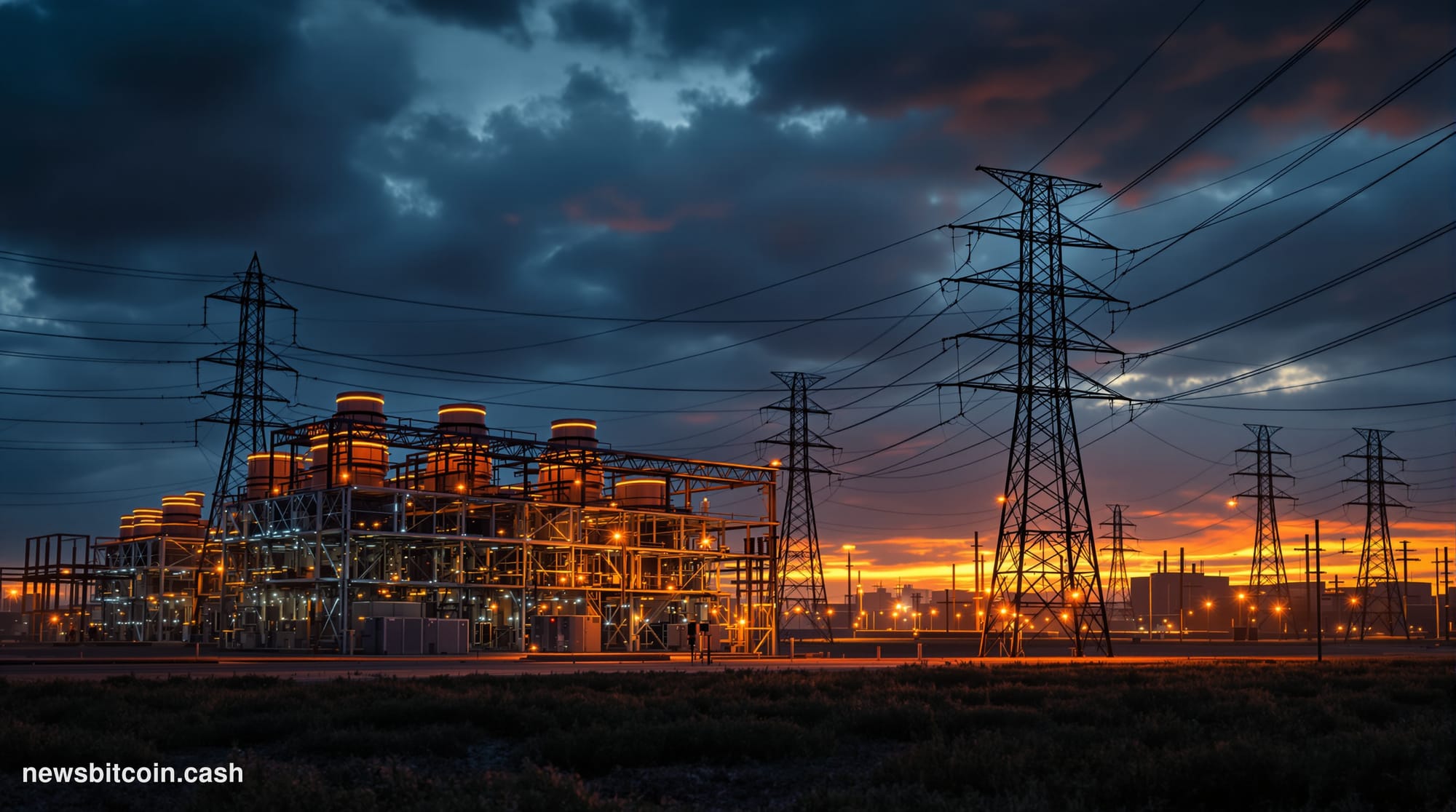
Texas finds itself at a critical juncture where its ambitious embrace of cryptocurrency mining and data center expansion is creating unforeseen vulnerabilities in the state's electrical infrastructure. The Electric Reliability Council of Texas (ERCOT) has issued warnings about blackout risks stemming from the unexpected behavior of these energy-intensive operations during grid disturbances.
The core issue represents a fundamental mismatch between expectations and reality in industrial power consumption. When ERCOT experiences grid instability, data centers and crypto miners are tripping offline in patterns that compound rather than alleviate stress on the electrical system. This phenomenon creates cascading effects that threaten the reliability of power delivery across the state.
The timing of these revelations couldn't be more significant for the digital asset sector. Texas has positioned itself as the de facto capital of North American cryptocurrency mining, attracting billions in infrastructure investment from major operators seeking cheap electricity and favorable regulatory conditions. The state's competitive electricity market and abundance of renewable energy resources made it an obvious destination for energy-intensive blockchain operations.
However, the current grid instability issues reveal deeper structural challenges that extend beyond simple supply and demand dynamics. The problem lies not just in the volume of electricity these operations consume, but in how they interact with grid management protocols during periods of stress. When these facilities disconnect unexpectedly during disturbances, they remove substantial load from the system in ways that can destabilize frequency and voltage controls.
The economic implications extend far beyond the cryptocurrency industry. ERCOT's warnings suggest that the instability caused by data centers and crypto miners could hinder broader economic growth across Texas. This creates a paradox where the very industries that were attracted to the state for its energy advantages may now be constraining the infrastructure development needed to support continued expansion.
From a regulatory perspective, these grid stability issues are likely to increase pressure on both state and federal authorities to implement more stringent oversight of large-scale electricity consumers. The Federal Energy Regulatory Commission has already shown increased interest in understanding how cryptocurrency mining affects regional power markets, and Texas's challenges provide concrete evidence for potential intervention.
The broader implications for the cryptocurrency mining industry are substantial. If Texas, with its traditionally business-friendly approach and abundant energy resources, cannot successfully integrate large-scale mining operations without threatening grid stability, other jurisdictions may become more cautious about welcoming such facilities. This could force the industry toward more distributed models or require significant investments in grid-supporting technologies.
The path forward likely requires sophisticated coordination between ERCOT, mining operators, and data center companies to develop protocols that enhance rather than undermine grid stability. This might include demand response programs, energy storage systems, or operational modifications that allow these facilities to support grid reliability during disturbances rather than exacerbate problems by disconnecting unexpectedly.
What this means for the digital asset ecosystem is a potential inflection point where regulatory tolerance for high-energy blockchain operations becomes contingent on demonstrable contributions to grid stability. The days of simply consuming cheap electricity without consideration for broader infrastructure impacts may be ending, replaced by requirements for active participation in grid management and reliability services.
Written by the editorial team — independent journalism powered by Bitcoin News.