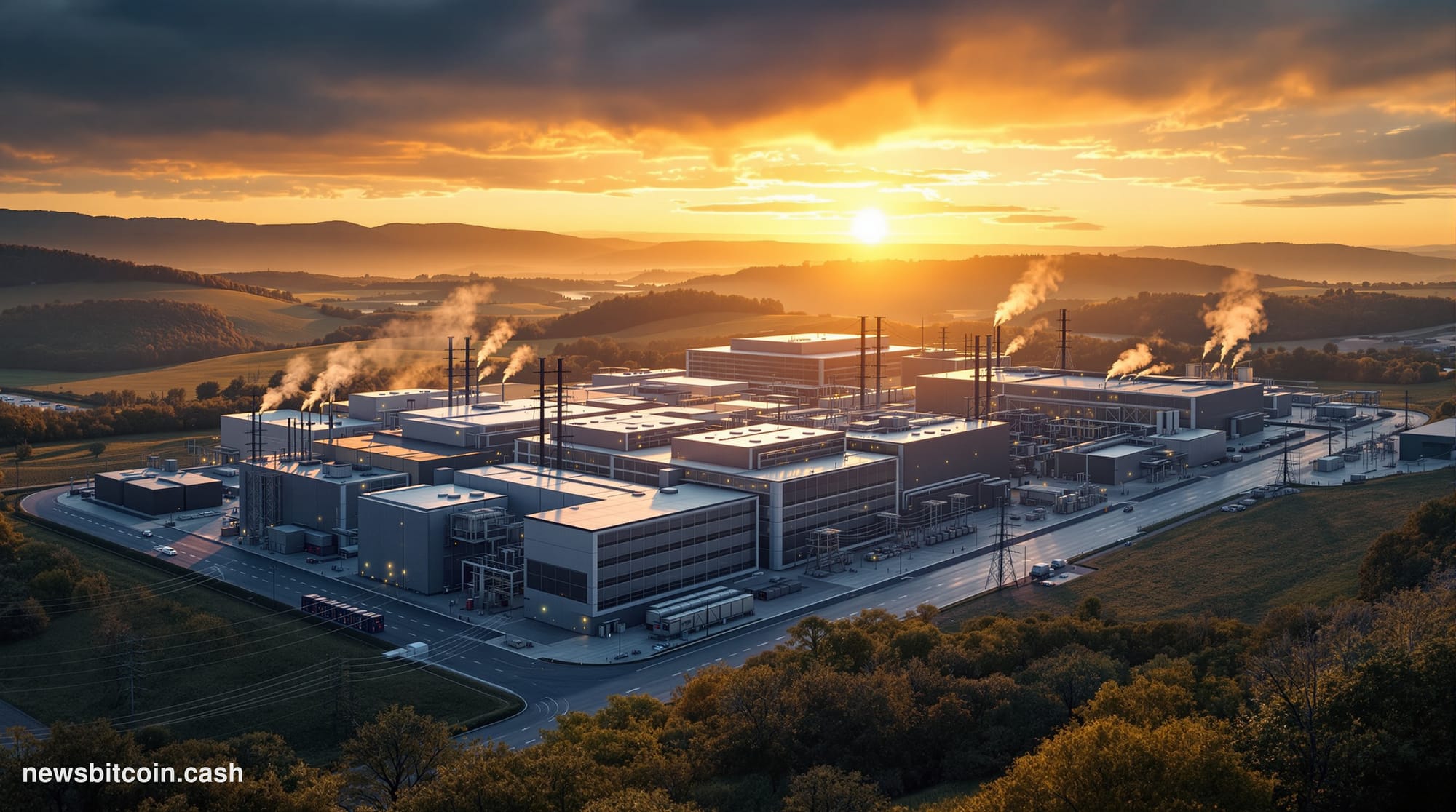
The Bitcoin mining sector's evolution toward diversified computing infrastructure reached another milestone as TeraWulf Inc. completed its acquisition of a massive 1-gigawatt artificial intelligence data center site in Kentucky. The move sent shares surging 11% as investors embraced the company's strategic pivot beyond traditional cryptocurrency mining toward high-performance computing markets.
The Kentucky facility represents more than just another data center acquisition—it signals the mining industry's recognition that survival requires adaptation to broader digital infrastructure demands. With AI workloads driving unprecedented demand for computing power, TeraWulf's 1 GW capacity positions the company to capture value from multiple high-growth sectors while reducing dependence on Bitcoin's price volatility.
Kentucky's selection as the site location reflects calculated infrastructure advantages. The state offers competitive electricity rates, favorable regulatory frameworks for data operations, and established grid infrastructure capable of supporting gigawatt-scale power demands. These factors become critical when operating facilities that consume electricity at industrial scales, whether for Bitcoin mining or AI model training.
The 11% share price jump demonstrates investor confidence in TeraWulf's diversification strategy. Traditional Bitcoin mining companies face cyclical revenue pressures tied to cryptocurrency valuations and network difficulty adjustments. By expanding into AI-focused infrastructure, TeraWulf creates revenue streams from enterprise clients seeking dedicated computing resources for machine learning workloads, reducing exposure to crypto market fluctuations.
This acquisition reflects broader industry trends as mining companies leverage their core competencies—power management, cooling systems, and high-density computing infrastructure—to serve adjacent markets. The transition from ASIC-based Bitcoin mining to GPU-powered AI workloads requires different hardware configurations but similar operational expertise in managing large-scale computing facilities.
The timing aligns with enterprise AI adoption accelerating across industries. Companies developing large language models, training computer vision systems, and running inference workloads require massive computing capacity that traditional cloud providers struggle to provision at scale. Purpose-built AI data centers like TeraWulf's Kentucky facility can offer dedicated infrastructure with optimized power delivery and cooling systems.
However, this pivot carries execution risks. AI infrastructure demands different technical specifications than Bitcoin mining, requiring significant capital investment in new hardware and facility modifications. Success depends on TeraWulf's ability to attract enterprise customers while managing the operational complexity of serving both crypto mining and AI computing workloads from the same infrastructure base.
The Kentucky acquisition positions TeraWulf within the evolving landscape where Bitcoin miners transform into diversified digital infrastructure providers. As the AI computing market continues expanding, companies that successfully execute this transition may find themselves better positioned for long-term growth than pure-play mining operations dependent solely on cryptocurrency economics.
Written by the editorial team — independent journalism powered by Bitcoin News.