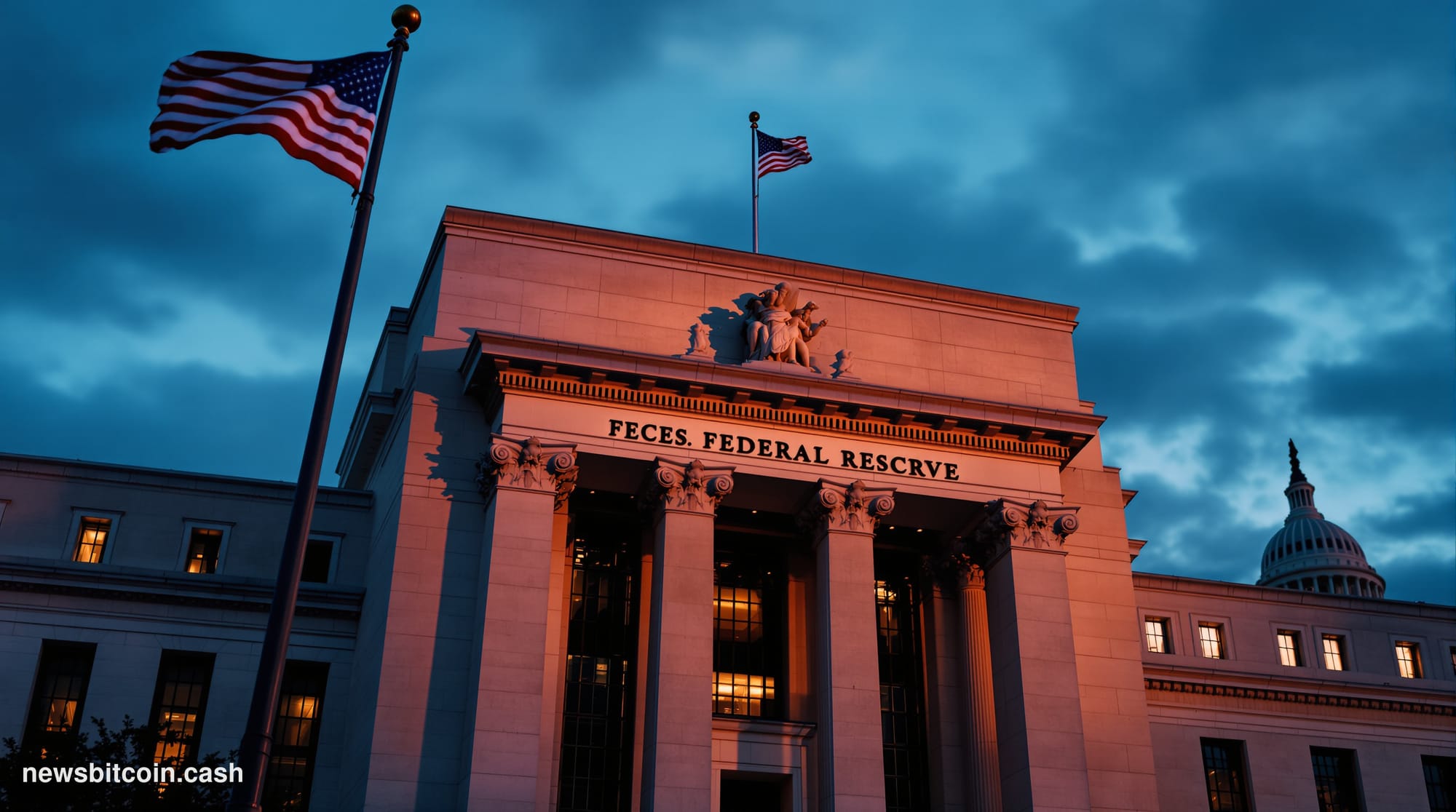
The United States Senate's confirmation of Kevin Warsh as Federal Reserve chair marks a pivotal moment for American monetary policy and cryptocurrency markets, arriving just hours before Congress prepares to vote on landmark digital asset legislation. The timing of Warsh's ascension to the nation's most powerful financial position, coupled with his established Bitcoin-friendly stance, creates an unprecedented convergence of monetary leadership change and crypto regulatory framework development.
Warsh, a former Federal Reserve governor who served from 2006 to 2011, brings a unique perspective to the central bank's top role. His previous tenure spanned the 2008 financial crisis, providing him with firsthand experience managing monetary policy during extreme market stress. Unlike many traditional central bankers who have approached digital assets with skepticism, Warsh has demonstrated openness to Bitcoin's role in the financial system, positioning him as a potentially transformative figure for crypto policy at the institutional level.
The Senate confirmation arrives on the eve of a crucial vote on the Clarity Act, a comprehensive piece of legislation designed to establish clear regulatory frameworks for cryptocurrency markets. This market structure bill represents years of legislative development aimed at providing the regulatory certainty that crypto businesses and investors have long sought. The synchronization of Warsh's confirmation with the Clarity Act timeline suggests a coordinated approach to reshaping America's relationship with digital assets across both monetary and regulatory dimensions.
Warsh's appointment signals a potential departure from the Federal Reserve's historically cautious approach to cryptocurrency and blockchain technology. Previous Fed leadership has expressed concerns about digital assets' volatility, energy consumption, and potential risks to financial stability. However, Warsh's Bitcoin-friendly reputation suggests the central bank may adopt a more nuanced stance that recognizes both the challenges and opportunities presented by decentralized finance and digital currencies.
The implications extend beyond domestic policy, as the Federal Reserve's approach to digital assets influences global monetary standards and central bank digital currency development worldwide. Major economies closely monitor U.S. monetary policy decisions, particularly regarding emerging technologies that could reshape international payment systems and reserve currency dynamics. Warsh's leadership may accelerate American innovation in digital finance while maintaining the dollar's global dominance.
For cryptocurrency markets, the confirmation provides a foundation for more predictable regulatory engagement from the nation's monetary authority. Bitcoin and other digital assets have often experienced volatility around Federal Reserve announcements and policy shifts. A chair who understands the technology and its potential applications could lead to more informed policy decisions that consider crypto's legitimate use cases alongside traditional financial stability concerns.
The convergence of Fed leadership transition and crypto legislation creates an inflection point for American financial policy. As lawmakers prepare to vote on the Clarity Act, they do so knowing that the Federal Reserve will soon operate under leadership that views digital assets through a more favorable lens. This alignment between monetary and regulatory authorities could accelerate the integration of cryptocurrency into mainstream financial infrastructure.
What this means for the broader digital asset ecosystem is the emergence of a more coherent policy framework that spans both regulatory clarity and monetary accommodation. Warsh's confirmation, combined with potential passage of the Clarity Act, would represent the most significant advancement in American crypto policy since Bitcoin's creation. The question now becomes whether this institutional support can translate into sustainable growth and innovation within the constraints of responsible financial oversight.
Written by the editorial team — independent journalism powered by Bitcoin News.