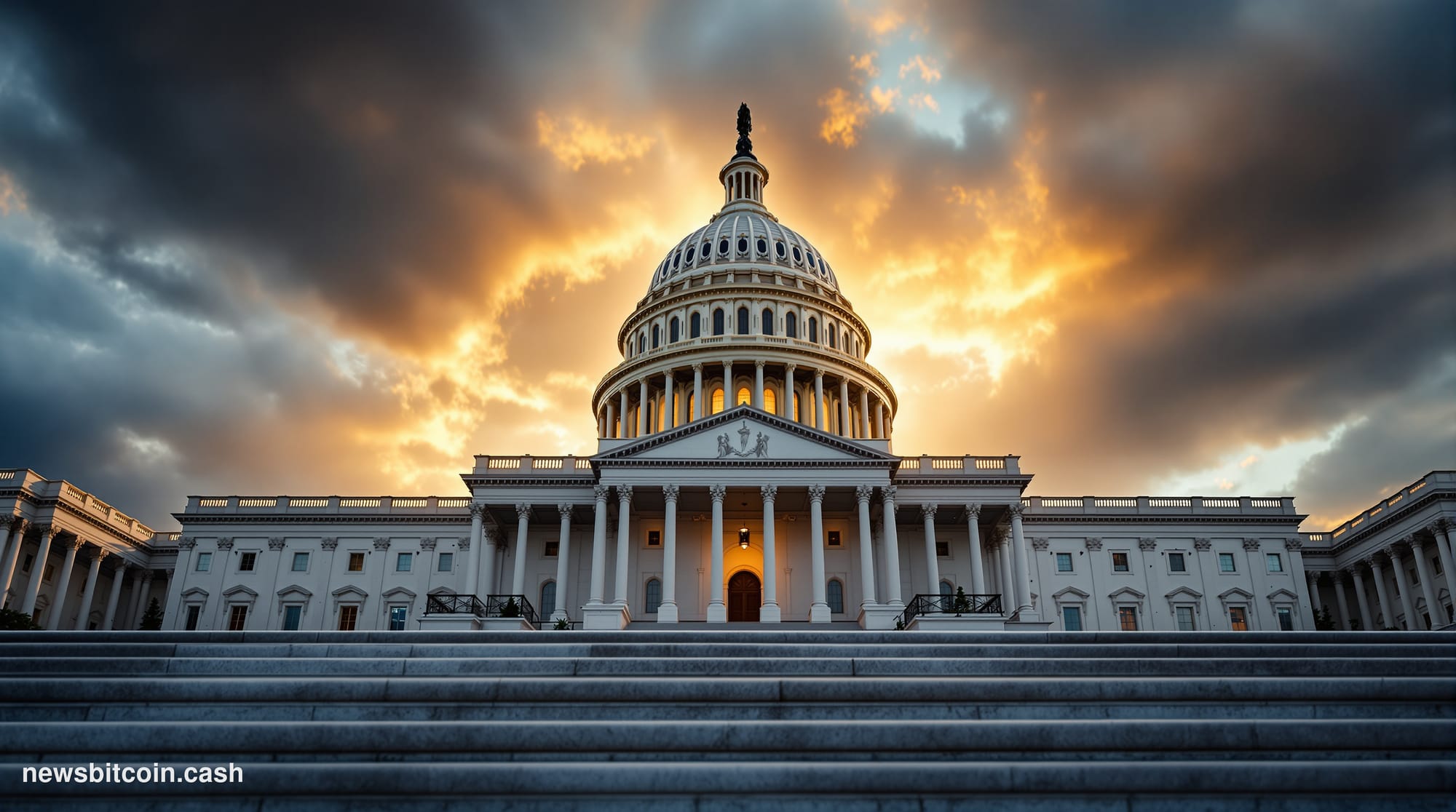
The United States Senate's consideration of cryptocurrency legislation known as the Clarity Act has ignited a fierce debate that extends far beyond Washington's corridors of power, with stakeholders worldwide grappling with the potential global ramifications of American regulatory decisions on digital assets.
The proposed legislation has created a sharp divide among industry participants and policy observers, with supporters expressing excitement about the bill's prospects while opponents voice deep concerns about its far-reaching implications. This polarization reflects the fundamental challenge facing lawmakers as they attempt to craft comprehensive crypto regulation in an interconnected global financial system.
The international dimensions of the Clarity Act debate underscore how American cryptocurrency policy has become a de facto global standard, given the outsized influence of US markets and regulatory frameworks on worldwide digital asset adoption. When Congress moves on crypto legislation, the reverberations are felt from Coinbase's trading floors to regulatory agencies in London, Tokyo, and Singapore.
Supporters of the Senate bill argue that clarity in American crypto regulation will provide the regulatory certainty that global markets desperately need to mature beyond the current patchwork of inconsistent national approaches. They contend that US leadership in establishing clear rules for digital assets could accelerate institutional adoption worldwide and provide a template for other jurisdictions struggling with their own regulatory frameworks.
However, opponents worry that the bill's provisions could create unintended consequences that ripple across international markets. Their concerns center on whether American regulatory approaches might inadvertently restrict innovation in other jurisdictions or create compliance burdens that disadvantage non-US crypto projects and exchanges. The global nature of cryptocurrency networks means that regulatory decisions made in one major jurisdiction can effectively constrain activities worldwide.
The timing of this legislative push comes as other major economies are developing their own approaches to crypto regulation. The European Union has already implemented its Markets in Crypto-Assets regulation, while countries like Japan and Singapore have established their own frameworks. The question now is whether the Clarity Act will harmonize with these existing approaches or create new friction points in the global regulatory landscape.
Beyond immediate market impacts, the international implications of the Clarity Act touch on fundamental questions about digital asset governance in a multipolar world. As cryptocurrencies operate across borders by design, the challenge for regulators is crafting rules that protect consumers and maintain financial stability without stifling the innovation that makes digital assets valuable in the first place.
The global crypto industry now finds itself watching Washington closely, understanding that the Senate's ultimate decision on the Clarity Act could reshape not just American digital asset markets, but the entire international regulatory environment. Whether the bill becomes a catalyst for global regulatory harmony or creates new sources of international friction will depend largely on how lawmakers balance domestic policy goals with the inherently global nature of cryptocurrency networks.
Written by the editorial team — independent journalism powered by Bitcoin News.