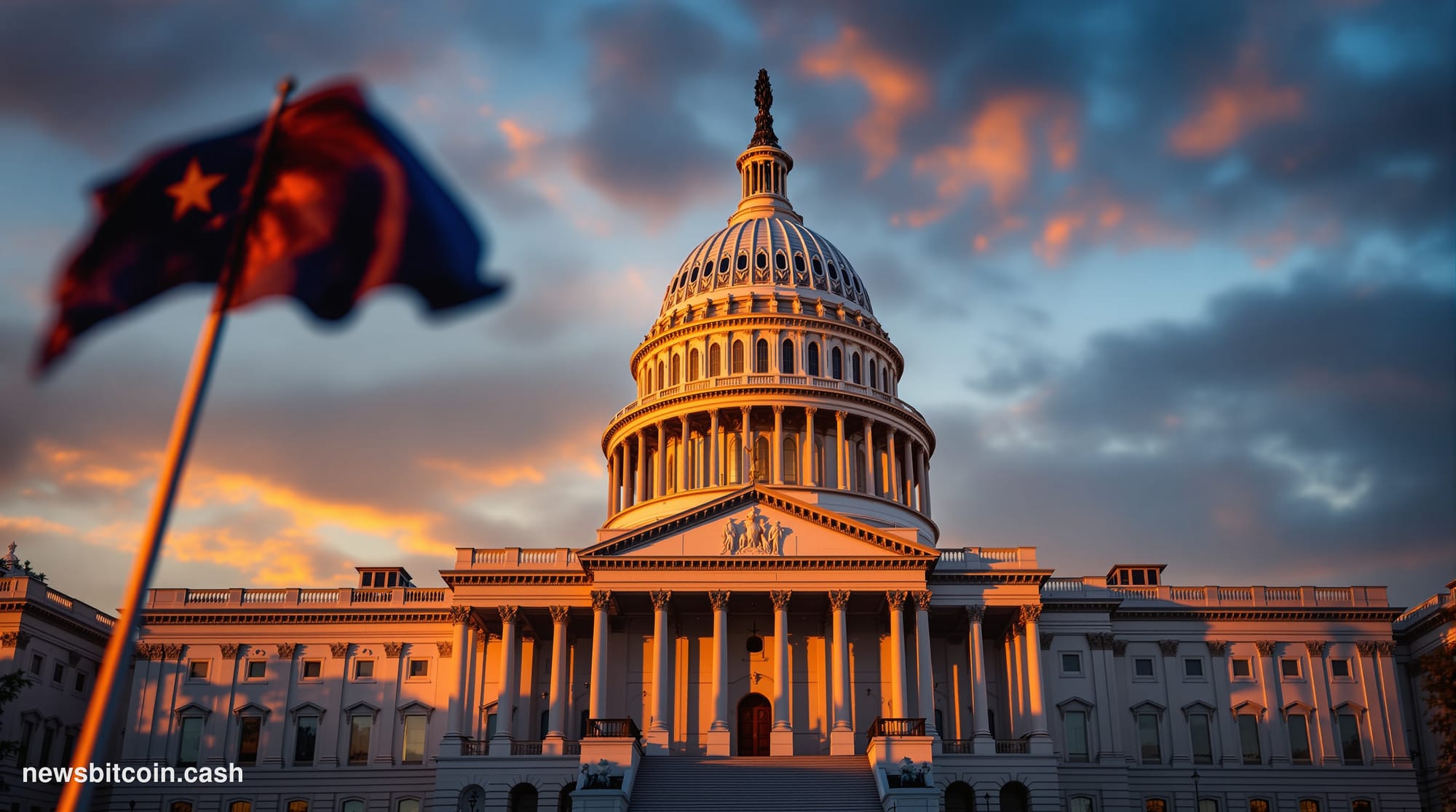
Republican senators are mounting fresh pressure on federal banking regulators to establish clear capital requirements for cryptocurrency holdings, marking another flashpoint in the ongoing battle over digital asset integration into traditional finance. The push, spearheaded by Wyoming's Senator Cynthia Lummis, signals growing GOP frustration with regulatory ambiguity that continues to hamstring institutional crypto adoption.
The lawmakers are specifically demanding "fair capital treatment for on-balance sheet treatment of digital assets," addressing a fundamental challenge that has kept many banks on the sidelines of the crypto economy. Current regulatory uncertainty around how digital assets should be classified for capital adequacy purposes has created a chilling effect across the banking sector, effectively forcing institutions to treat crypto holdings as high-risk assets requiring substantial capital buffers.
This latest congressional intervention reflects the broader political realignment around cryptocurrency policy, with Republicans increasingly positioning themselves as champions of digital asset innovation while Democrats remain more cautious about potential systemic risks. Lummis, who has emerged as one of the Senate's most vocal crypto advocates, brings particular credibility to the effort given her background as Wyoming's former state treasurer and her consistent support for blockchain-friendly legislation.
The capital treatment issue strikes at the heart of institutional crypto adoption barriers. Under current interpretations of banking rules, many federal regulators have signaled that digital assets should receive harsh capital treatment, effectively requiring banks to hold dollar-for-dollar capital reserves against crypto positions. This punitive approach makes it economically unviable for most banks to offer meaningful digital asset services, despite growing client demand and the maturation of crypto markets.
The timing of this Republican push carries particular significance as the banking industry grapples with implementing new Basel III capital requirements while simultaneously navigating the evolving crypto landscape. Major banks like JPMorgan Chase and Bank of America have expressed interest in expanding digital asset capabilities but remain constrained by regulatory uncertainty around capital implications.
The senators' demand for clarity also comes as stablecoin regulation gains momentum in Congress, with bipartisan recognition that digital dollar tokens like Tether's USDT and Circle's USDC require clear regulatory frameworks. Establishing appropriate capital treatment for various categories of digital assets could provide the foundation for broader crypto banking integration, potentially unlocking trillions in institutional capital currently sitting on the sidelines.
The regulatory landscape has grown increasingly complex as crypto markets have matured beyond speculative trading into legitimate financial infrastructure. Pension funds, insurance companies, and endowments are all seeking exposure to digital assets, but the current capital treatment uncertainty effectively forces them to rely on third-party custodians and specialized crypto firms rather than their traditional banking relationships.
What emerges from this Republican pressure campaign could reshape the entire crypto banking ecosystem. Clear, proportionate capital rules would enable traditional financial institutions to compete more effectively with crypto-native firms while providing institutional investors with familiar regulatory frameworks for digital asset exposure. However, the ultimate impact will depend on whether banking regulators respond with pragmatic guidance that balances innovation with prudential oversight, or whether they maintain their current cautious stance that effectively treats all crypto assets as existential threats to financial stability.
Written by the editorial team — independent journalism powered by Bitcoin News.