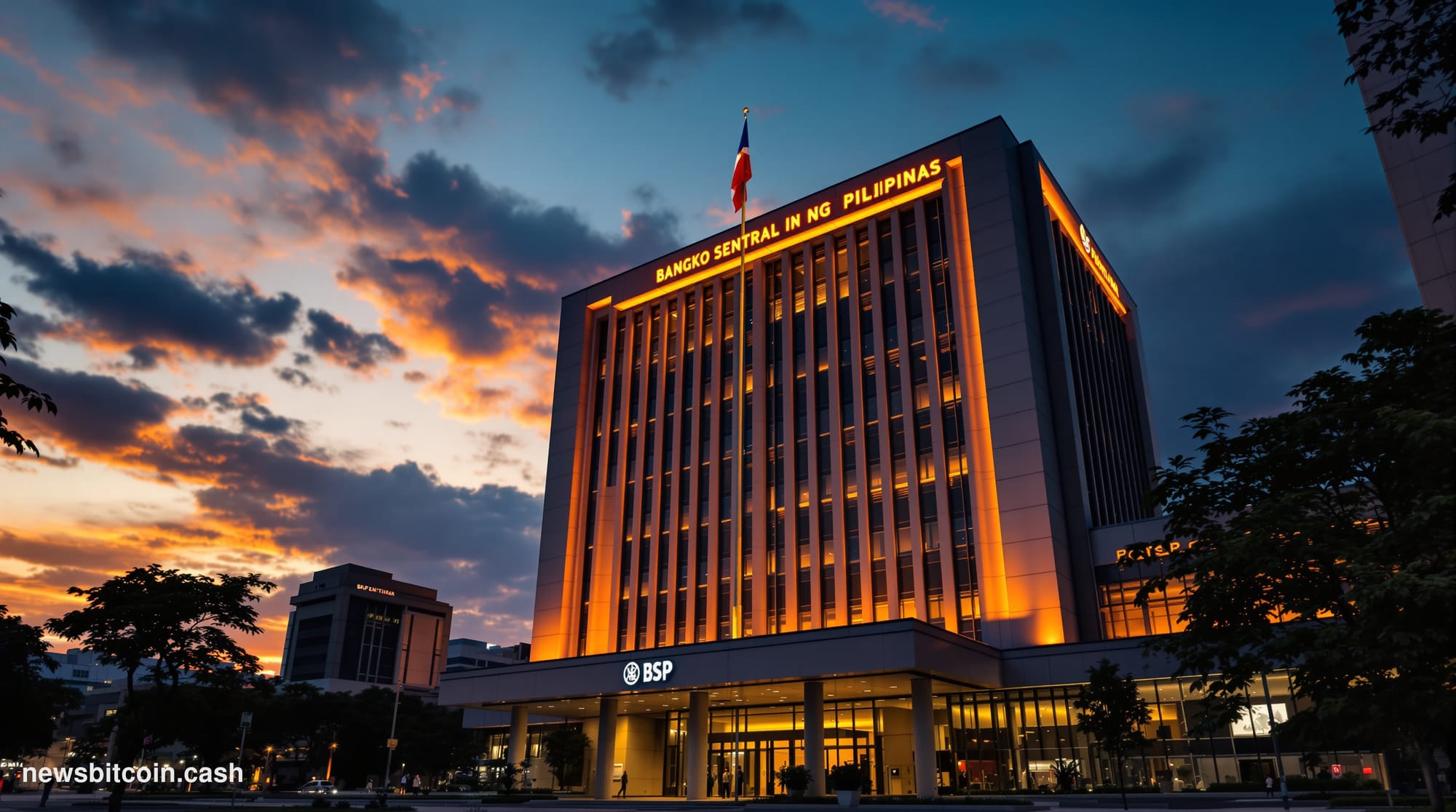
The Philippines has joined a growing list of jurisdictions implementing stringent restrictions on privacy-focused cryptocurrencies, as the Bangko Sentral ng Pilipinas (BSP) moves to prohibit Virtual Asset Service Providers from listing privacy tokens. This regulatory action represents a significant escalation in the country's approach to digital asset oversight, signaling a shift toward stricter compliance frameworks that prioritize transparency over user privacy.
The BSP's prohibition specifically targets privacy tokens—cryptocurrencies designed to obscure transaction details, sender and recipient identities, and transaction amounts. These digital assets, which include prominent projects like Monero and Zcash, have become increasingly controversial among regulators worldwide due to their potential use in money laundering and other illicit activities. The central bank's decision effectively bars Philippine-based exchanges and other Virtual Asset Service Providers from offering these tokens to local users.
This regulatory tightening arrives at a critical juncture for the Philippines' digital asset ecosystem. The country has emerged as one of Southeast Asia's most active cryptocurrency markets, driven by significant retail adoption and a thriving remittance economy that has embraced blockchain-based payment solutions. The BSP's previous regulatory approach had been relatively measured, establishing licensing frameworks for VASPs while allowing market development to proceed with appropriate oversight.
The compliance implications for Philippine exchanges and service providers are substantial. VASPs operating in the jurisdiction must now conduct comprehensive audits of their token listings, potentially delisting privacy-focused assets to maintain regulatory compliance. This process will likely increase operational costs as exchanges invest in enhanced compliance infrastructure, legal consultation, and risk management systems. Smaller platforms may find these additional compliance burdens particularly challenging, potentially consolidating market share among larger, better-resourced operators.
The innovation concerns extend beyond immediate compliance costs. Privacy tokens represent significant technological achievements in cryptographic development, offering legitimate use cases for users seeking financial confidentiality in authoritarian regimes or high-crime environments. The BSP's blanket prohibition may discourage blockchain developers and privacy-focused projects from establishing operations in the Philippines, potentially limiting the country's participation in emerging sectors of the digital asset economy.
This regulatory stance reflects broader global trends in cryptocurrency oversight. Major jurisdictions including Japan, South Korea, and several European Union member states have implemented similar restrictions on privacy tokens. The pattern suggests coordinated international pressure to eliminate cryptocurrencies that complicate anti-money laundering efforts and tax enforcement. However, this approach also raises questions about the balance between regulatory compliance and technological innovation.
The BSP's decision underscores the evolving regulatory landscape facing the global cryptocurrency industry. While exchanges can adapt their business models to comply with privacy token prohibitions, the broader implications for blockchain development and financial privacy remain significant. Philippine VASPs must now navigate increasingly complex compliance requirements while maintaining competitive service offerings, a challenge that will likely reshape the local digital asset market structure.
What this means for the Philippine cryptocurrency ecosystem is a fundamental shift toward regulatory-compliant operations at the potential expense of privacy innovation. The BSP's prohibition demonstrates how central bank policies can quickly reshape digital asset markets, forcing industry participants to choose between regulatory compliance and supporting privacy-preserving technologies. This regulatory precedent may influence similar decisions across Southeast Asia, as regional financial authorities coordinate their approaches to cryptocurrency oversight.
Written by the editorial team — independent journalism powered by Bitcoin News.