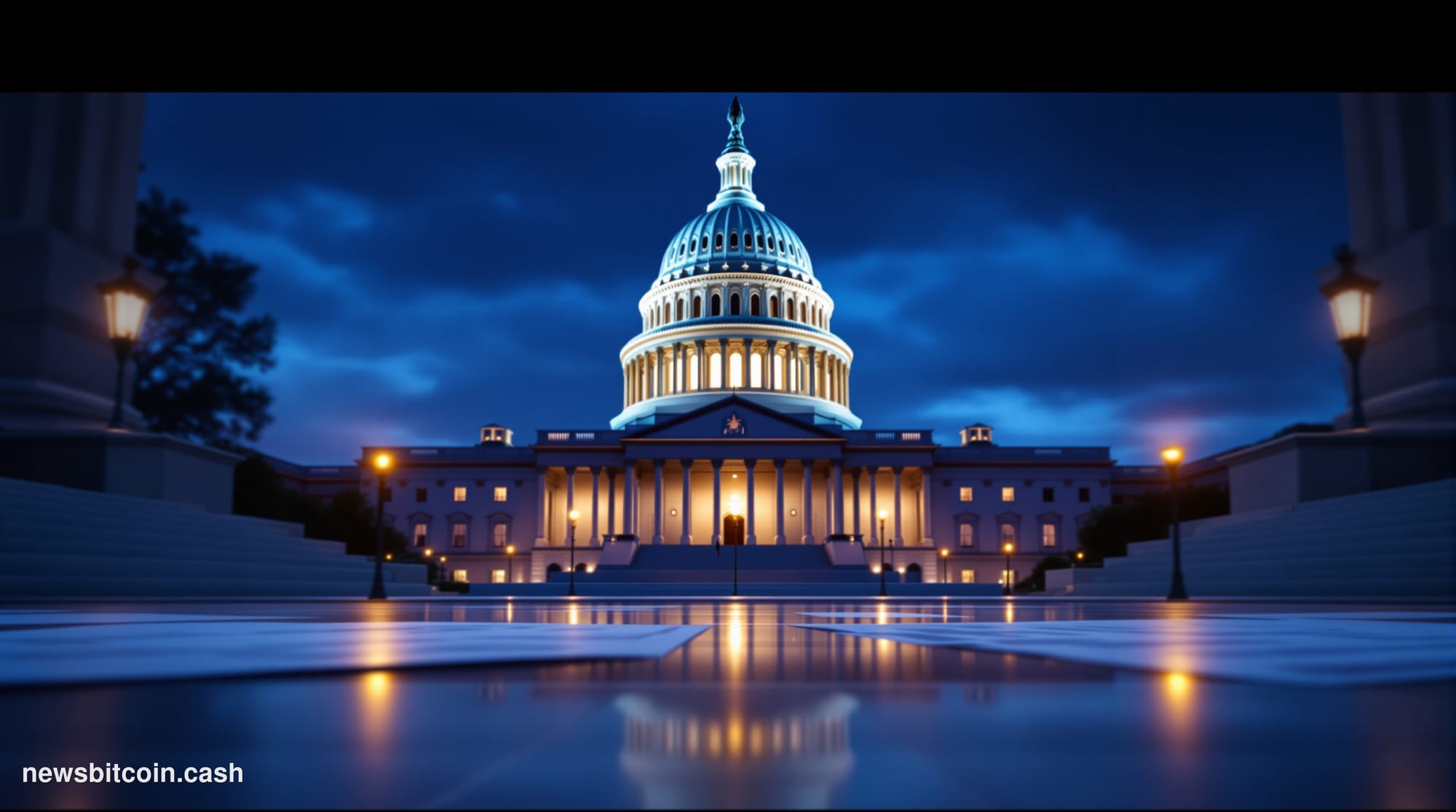
A new endorsement for the Clarity Act is adding institutional weight to one of the most closely watched blockchain regulation bills working its way through the United States legislative process. The National Organization for Blockchain and Ledger Ecosystem — known as NOBLE — has formally backed the bill, a move that analysts say could accelerate the legislative momentum that proponents of clear digital asset rules have been waiting years to see materialize.
The Clarity Act has been positioned as a framework designed to bring much-needed definitional and jurisdictional precision to how blockchain-based assets are classified and overseen by regulators. For an industry that has long operated in a patchwork of enforcement actions, no-action letters, and conflicting agency guidance, a coherent statutory foundation would represent a fundamental shift. NOBLE's endorsement signals that stakeholders with organized institutional standing are now actively lobbying in favor of getting that framework codified into law.
Why Endorsements Matter in Legislative Cycles
In Washington, the architecture of a bill's support coalition often determines its fate as much as the text itself. When industry bodies, trade associations, and credentialed organizations formally endorse legislation, they provide lawmakers with political cover, expert testimony pipelines, and grassroots mobilization infrastructure. NOBLE's backing of the Clarity Act therefore isn't simply a symbolic gesture — it translates into committee hearing testimony, constituent outreach, and the kind of sustained pressure on legislators that moves bills from markup to floor vote.
The timing matters as well. The digital assets regulatory landscape in the United States has been in flux for several years, with the Securities and Exchange Commission and the Commodity Futures Trading Commission engaged in a prolonged jurisdictional contest over which agency holds primary authority over various token classes. That ambiguity has imposed real costs on businesses building on blockchain infrastructure — legal uncertainty inflates compliance budgets, deters institutional capital, and pushes development activity offshore. A bill like the Clarity Act, if enacted, would draw cleaner lines between commodity and security classifications, giving both builders and investors a more predictable operating environment.
Market Implications of Regulatory Clarity
The potential market dynamics that flow from legislative clarity are not trivial. When participants in digital asset markets can reliably assess the legal status of an asset or protocol, capital allocation decisions become more efficient. Institutional funds that have remained on the sidelines due to fiduciary concerns about unregulated exposure gain a path to entry. Custody providers, broker-dealers, and payments processors can build product roadmaps without fearing that the regulatory ground will shift beneath them mid-deployment.
NOBLE's endorsement of the Clarity Act speaks directly to this dynamic. By lending its organizational credibility to the bill, NOBLE is effectively communicating to its membership — and to the broader market — that this particular legislative vehicle is worth backing as a viable path toward the stable regulatory environment that long-term industry growth requires. That signal, coming from a named body with a formal policy position, carries more weight than informal industry commentary or anonymous lobbying.
The Road Ahead for the Clarity Act
Endorsements build coalitions, but coalitions still have to navigate the full legislative gauntlet. The Clarity Act will need to survive committee markups, address the competing interests of financial incumbents and crypto-native businesses, and ultimately attract sufficient bipartisan support in both chambers. The history of digital asset legislation in the United States is littered with bills that gathered early momentum only to stall in the face of election cycles, leadership changes, or inter-agency lobbying from bodies resistant to having their jurisdiction redefined by statute.
What NOBLE's move does is reduce the cost of that navigation by demonstrating that organized, credentialed voices within the blockchain industry are prepared to engage the political process seriously and persistently. That kind of engagement is precisely what separates legislative efforts that achieve durable outcomes from those that generate press releases and little else.
For market participants, the practical takeaway is to watch how the endorsement translates into concrete legislative action over the coming months — specifically, whether it draws additional organizational supporters, accelerates committee scheduling, or shifts the tone of agency commentary on digital asset oversight. Regulatory clarity has always been the infrastructure layer that underpins everything else in this industry. NOBLE's endorsement of the Clarity Act is a meaningful step toward building it.
Written by the editorial team — independent journalism powered by Bitcoin News.