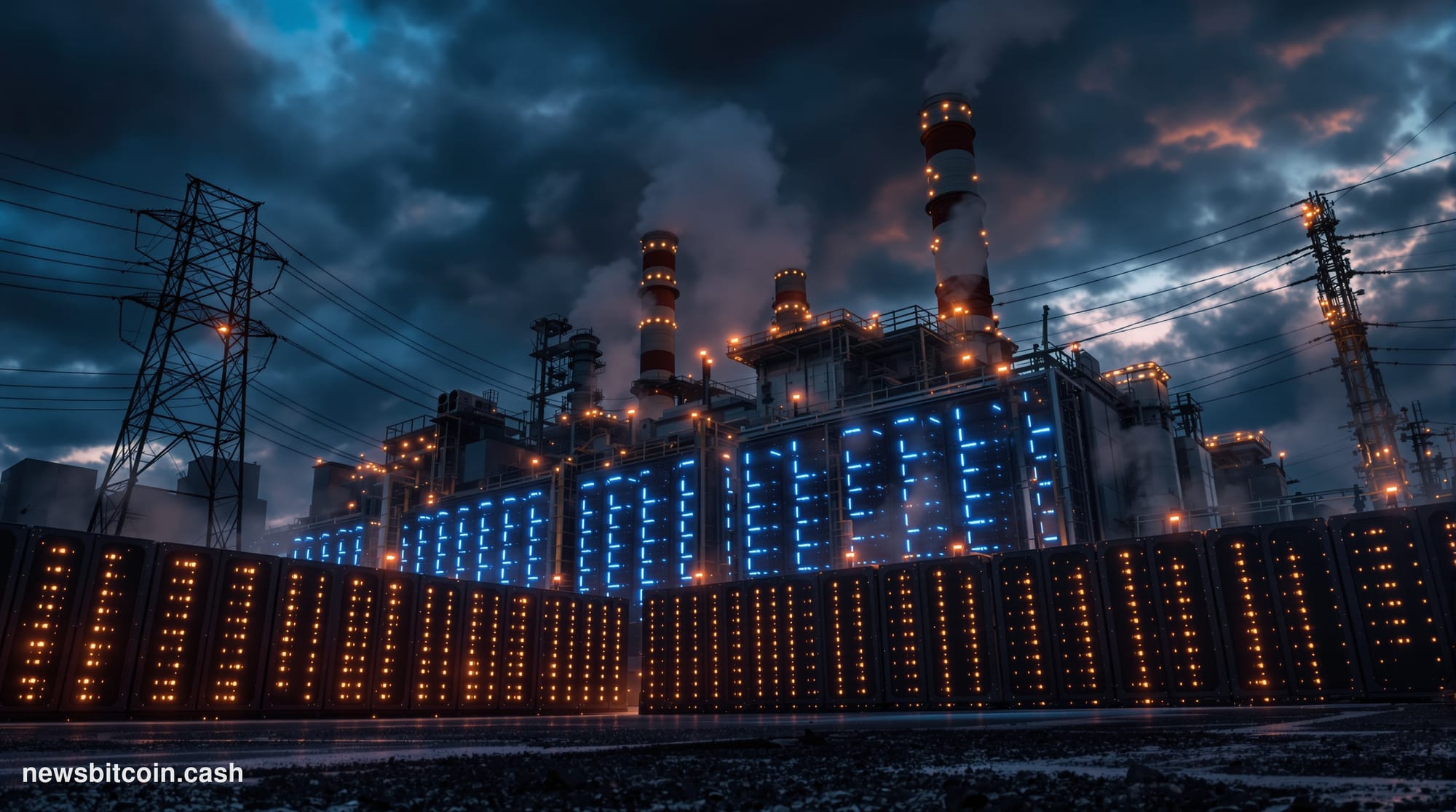
The digital asset sector faces a period of structural uncertainty as Bitcoin continues its underperformance relative to traditional equity markets, while mining operations increasingly diversify into artificial intelligence infrastructure and regulatory progress remains stalled in Washington. This confluence of market dynamics and policy gridlock represents more than a temporary setback—it signals a fundamental shift in how crypto infrastructure companies are positioning themselves for an uncertain regulatory environment.
The mining industry's strategic pivot toward AI represents a pragmatic response to both market pressures and technological opportunities. As Bitcoin's price action fails to keep pace with broader equity gains, miners are leveraging their existing computational infrastructure and energy management expertise to capture value in the rapidly expanding AI sector. This transition demonstrates the adaptability of crypto infrastructure companies but also highlights the persistent challenges facing Bitcoin-focused business models in the current environment.
The computational infrastructure that powers Bitcoin mining—high-performance chips, robust cooling systems, and massive energy capacity—translates naturally to AI workloads. Mining companies possess the operational expertise to manage large-scale computational facilities, negotiate favorable energy contracts, and optimize hardware deployment at scale. These capabilities position them advantageously in the AI infrastructure market, where demand for computational power continues to outstrip supply across multiple sectors.
However, this industry evolution reflects deeper structural challenges within the crypto ecosystem. The underperformance of Bitcoin relative to traditional assets suggests that institutional and retail investors are seeking returns elsewhere, potentially viewing crypto as less attractive amid regulatory uncertainty and macro-economic headwinds. The mining sector's diversification strategy, while commercially sensible, represents a partial retreat from pure-play crypto exposure that could have long-term implications for Bitcoin's security model and hash rate stability.
The stalled pro-crypto legislation in the United States compounds these market dynamics by maintaining regulatory uncertainty that has plagued the industry for years. Without clear federal frameworks for digital assets, financial institutions remain cautious about deeper crypto integration, limiting potential institutional adoption that could drive sustained price appreciation. This regulatory limbo creates particular challenges for publicly traded mining companies, which face additional compliance burdens while competing with private operators in global markets.
The timing of this pivot is particularly significant given the approaching Bitcoin halving cycles and evolving mining economics. As block rewards continue to decrease over time, mining operations require either sustained price appreciation or alternative revenue streams to maintain profitability. The AI infrastructure market offers compelling economics, with enterprise clients willing to pay premium rates for reliable computational capacity, creating more predictable revenue streams than Bitcoin mining's inherently volatile dynamics.
This transformation also reflects broader technology industry trends, where AI infrastructure investment continues to attract massive capital allocation from both public and private markets. Mining companies that successfully transition to dual-purpose facilities position themselves to capture value from multiple high-growth technology sectors, potentially reducing their dependence on cryptocurrency market cycles while maintaining exposure to digital asset upside potential.
The implications extend beyond individual company strategies to the broader Bitcoin network's long-term health. If a significant portion of mining capacity permanently migrates to AI workloads, Bitcoin could face reduced hash rate stability and potentially increased centralization risks. However, the modular nature of modern mining operations suggests that capacity could return to Bitcoin mining if economic incentives shift, maintaining some flexibility in the system's security model.
What this means for the crypto industry is a period of strategic recalibration rather than fundamental decline. The mining sector's AI pivot demonstrates the entrepreneurial adaptability that has characterized crypto infrastructure development since Bitcoin's inception. While this transition may temporarily reduce pure-play crypto exposure, it also creates more diversified, potentially more resilient business models that could ultimately strengthen the industry's institutional credibility and long-term sustainability prospects.
Written by the editorial team — independent journalism powered by Bitcoin News.