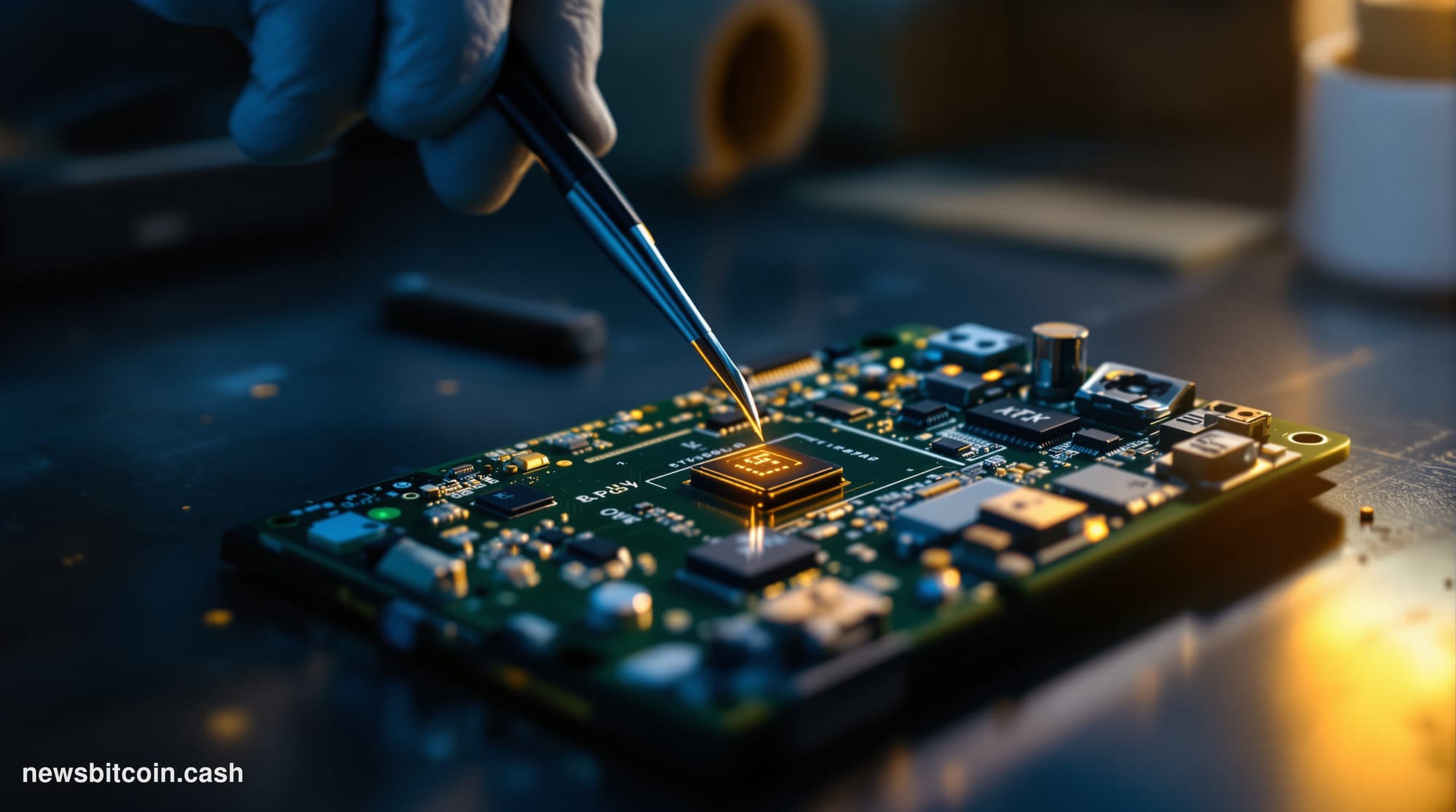
A discovery that hardware wallets sold through fully authorized channels can arrive in buyers' hands already compromised is rattling the self-custody community. Recent findings involving physically implanted components inside Ledger devices — purchased from legitimate, approved resellers — have forced a deeply uncomfortable question into the open: if you cannot trust the authorized supply chain, what can you trust?
The answer, uncomfortable as it is, may be very little — at least without rigorous verification processes that most retail crypto users are neither equipped nor expected to perform. This is not a story about phishing emails or compromised firmware downloads. This is about physical hardware being intercepted, modified, and returned to official distribution pipelines before a single user ever opens the box.
The Anatomy of a Supply Chain Attack
Hardware wallet supply chain attacks are not new in the broader cybersecurity world. Nation-state actors have long been documented intercepting networking equipment, server components, and even laptops in transit to install surveillance hardware or exfiltration tools. What is new — and alarming — is seeing this class of threat materialize so concretely in the consumer crypto hardware space, against one of the sector's most recognizable and trusted brands.
The Ledger implant incident centers on the presence of unauthorized physical components inside devices that passed through officially sanctioned middlemen. These are not grey-market counterfeits. They are not devices bought from suspicious third-party listings on auction platforms. They entered the supply chain at some point between the factory and the end buyer while still nominally under the umbrella of authorized distribution. That distinction matters enormously, because it collapses the most common consumer defense: buying only from official or approved sources.
For years, the standard advice from wallet manufacturers and security educators alike has been straightforward — purchase directly from the manufacturer or from an authorized reseller, inspect the packaging for signs of tampering, verify the device's authenticity using the manufacturer's official process. The Ledger incident suggests that this checklist, however well-intentioned, may be fundamentally insufficient when the attack surface includes the authorized reseller tier itself.
Middlemen as the Weakest Link
The supply chain for consumer electronics — including hardware security devices — involves numerous hands between manufacture and delivery. Distributors, regional warehouses, fulfillment centers, logistics partners, and retail outlets all touch a product before it reaches its buyer. Each of those touchpoints is a potential insertion opportunity for a motivated and technically capable adversary. The longer and more complex the chain, the larger the attack surface.
What makes hardware wallets a particularly attractive target is obvious: a successfully compromised device does not merely expose the user's files or browsing history. It can expose the cryptographic keys that control real, liquid, irreversible financial assets. A single implant in a single device delivered to the right target could yield a seven-figure theft with no recourse for the victim. The asymmetry between the cost of the attack and the potential reward is staggering.
Ledger, for its part, has faced supply chain scrutiny before. The company's data breach in 2020 — which exposed the personal details of over 270,000 customers — was a different class of incident, but it illustrated how the company's broader ecosystem of customer touchpoints could be exploited. A physical hardware implant represents a qualitative escalation: from data exposure to direct asset compromise, from remote exploitation to hands-on hardware manipulation inside a trusted commercial network.
What Verification Actually Requires
The challenge for consumers is that meaningful hardware verification is technically demanding. Checking whether a device's packaging seal is intact is trivially defeated by a patient and careful attacker. Ledger's own device-authentication features — which prompt users to verify their device has not been tampered with via software checks during setup — are designed to catch firmware-level manipulation, but they were not designed with physical implants in mind. A rogue component wired into the device at the hardware level may operate beneath the threshold of software-based attestation entirely.
True supply chain assurance would require X-ray imaging of devices, inspection of printed circuit board layouts against manufacturer schematics, and expertise that no ordinary consumer possesses. It would require, in effect, treating every hardware wallet purchase with the suspicion typically reserved for seized contraband. The economics and practicalities of that approach are plainly incompatible with mass-market self-custody adoption.
What This Means for the Self-Custody Thesis
The broader implications reach beyond Ledger specifically. Hardware wallets have been held up, rightly, as a cornerstone of the self-custody ethos — the principle that individuals, not institutions, should control their own private keys. The practical promise of that ethos depends not just on sound cryptography but on the integrity of the physical devices implementing it. Supply chain implants attack that integrity at its root.
Manufacturers across the hardware wallet space — including Trezor, Foundation Devices, and others — now face intensified pressure to demonstrate supply chain transparency that goes beyond marketing assurances. Open-source hardware designs, publicly auditable manufacturing processes, and direct-to-consumer shipping with cryptographic packaging attestation are all being discussed as potential mitigations. None of them are simple or cheap to implement at scale.
The Ledger implant incident does not invalidate hardware wallets as a security tool. They remain far superior to software wallets or exchange custody for most threat models. But it does demand a more honest conversation about what "authorized" actually guarantees in a world where determined attackers have learned to move inside official channels. Trust, in security, is not a brand attribute. It must be continuously earned and independently verified — and right now, the industry's verification infrastructure is not keeping pace with the threats it faces.
Written by the editorial team — independent journalism powered by Bitcoin News.