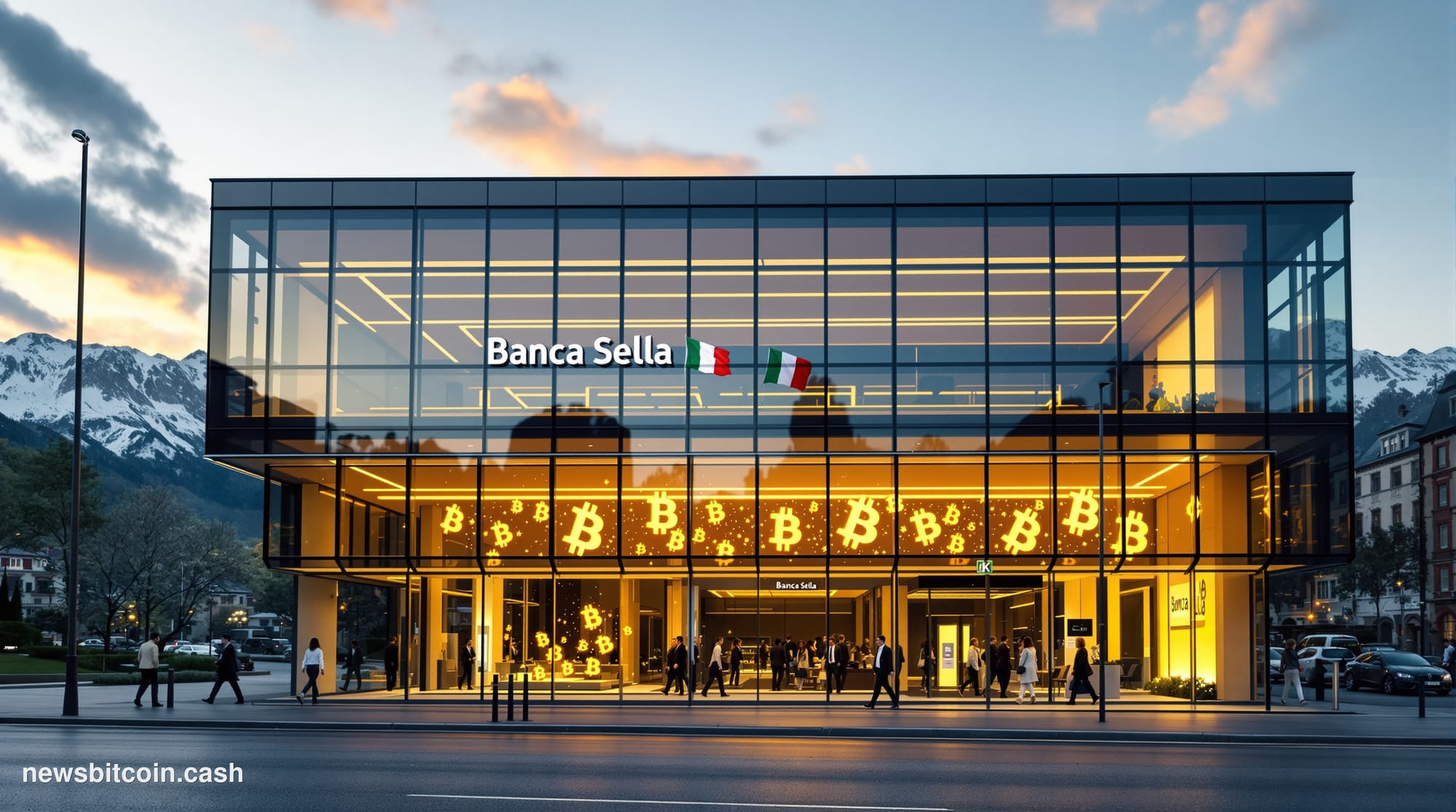
The landscape of European banking took a decisive turn this week as Banca Sella secured its position as the first Italian bank authorized to provide bitcoin and cryptocurrency services under the European Union's Markets in Crypto-Assets Regulation. This regulatory breakthrough represents more than a simple licensing milestone—it signals the beginning of legitimate cryptocurrency integration within Italy's traditional banking infrastructure.
The authorization under MiCA represents a fundamental shift in how European financial institutions approach digital assets. Unlike the regulatory uncertainty that has plagued the cryptocurrency sector for years, MiCA provides a comprehensive framework that allows traditional banks to offer crypto services with clear legal backing. Banca Sella's successful navigation of this regulatory process establishes a blueprint that other Italian financial institutions will likely follow in the coming months.
Regulatory Framework Creates New Opportunities
The significance of this development extends beyond Banca Sella's individual achievement. MiCA, which came into full effect across the European Union, creates standardized regulations for cryptocurrency activities across all member states. This harmonization eliminates the patchwork of national regulations that previously hindered banks from offering comprehensive crypto services to their customers.
For Banca Sella, the authorization opens new revenue streams while positioning the institution at the forefront of financial innovation. The bank can now legally custody bitcoin, facilitate cryptocurrency transactions, and provide investment services related to digital assets—all under the protective umbrella of EU regulation. This regulatory clarity reduces operational risk while expanding the bank's addressable market to include the growing demographic of cryptocurrency investors.
Competitive Implications for Italian Banking
The first-mover advantage Banca Sella has secured in the Italian market carries substantial competitive implications. As cryptocurrency adoption continues expanding among retail and institutional investors, banks offering these services will capture market share from institutions that remain on the sidelines. The regulatory authorization allows Banca Sella to serve customers who previously relied on unregulated cryptocurrency exchanges or foreign financial institutions for their digital asset needs.
This development also pressures other Italian banks to accelerate their own MiCA compliance efforts. The regulatory framework demands significant operational changes, including enhanced anti-money laundering procedures, custody arrangements, and risk management protocols specific to cryptocurrency operations. Banks that delay these adaptations risk losing customers to early adopters like Banca Sella.
Infrastructure and Operational Challenges
Behind the regulatory victory lies substantial infrastructure investment. Providing cryptocurrency services requires banks to implement new technology systems, establish secure custody solutions, and train staff on digital asset operations. Banca Sella's successful authorization indicates the institution has already made these operational adjustments, suggesting significant resource allocation toward cryptocurrency capability development.
The technical requirements for MiCA compliance are extensive. Banks must demonstrate robust cybersecurity measures, implement proper segregation of customer cryptocurrency holdings, and establish procedures for handling various digital asset types. These operational requirements create barriers to entry that favor larger, well-capitalized institutions while potentially excluding smaller regional banks from the cryptocurrency services market.
Market Positioning and Customer Demand
The timing of Banca Sella's authorization aligns with growing institutional and retail demand for cryptocurrency exposure within traditional financial relationships. European investors increasingly seek integrated financial services that combine conventional banking with digital asset capabilities, rather than managing separate relationships with cryptocurrency-specific providers.
This integration offers clear benefits for both banks and customers. For customers, dealing with regulated banks reduces counterparty risk while providing familiar customer service and dispute resolution mechanisms. For banks, cryptocurrency services create new fee opportunities while deepening customer relationships through expanded service offerings.
Broader European Implications
Banca Sella's authorization represents the practical implementation of European regulatory ambitions for cryptocurrency integration. The successful completion of MiCA compliance by an Italian institution demonstrates that the regulatory framework functions as intended, potentially encouraging other EU member states to expedite their own implementation processes.
The precedent also signals to international cryptocurrency companies and investors that Europe is developing mature, regulated markets for digital assets. This regulatory clarity could attract additional investment and business development within European markets, as companies seek jurisdictions with clear legal frameworks for cryptocurrency operations.
What emerges from Banca Sella's regulatory success is a model for cryptocurrency integration that prioritizes compliance and institutional stability over rapid market capture. This approach reflects European regulatory philosophy more broadly—emphasizing consumer protection and systemic stability while enabling innovation within established frameworks. As other Italian banks follow Banca Sella's path, the Italian cryptocurrency market will likely develop along similarly regulated lines, creating a stable foundation for long-term digital asset adoption within traditional financial services.
Written by the editorial team — independent journalism powered by Bitcoin News.