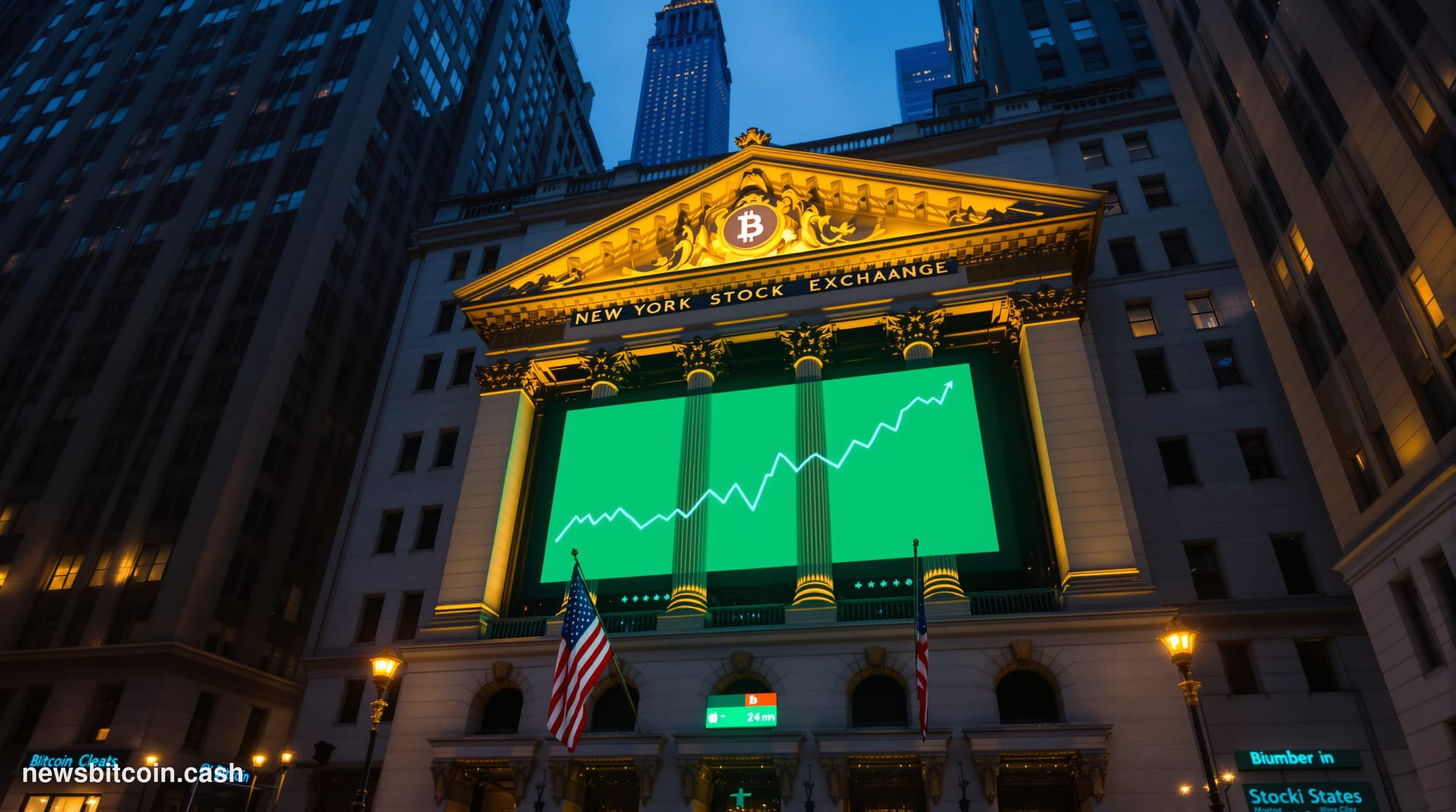
Something significant is happening in the Bitcoin market, and it cannot be explained by a single catalyst. Institutional purchasing pressure, a shifting macroeconomic backdrop, an increasingly accommodating regulatory posture out of Washington, and a cascade of forced short liquidations worth billions of dollars have converged into a rally that looks less like a speculative spike and more like a structurally supported repricing of the asset. When Wall Street and Washington move in the same direction at the same time, the effects on a market as reactive as Bitcoin tend to be swift and substantial.
The Institutional Hand Behind the Move
Institutional buying has emerged as the clearest fundamental driver underpinning this rally. Unlike the retail-driven surges that characterized earlier Bitcoin cycles, the current move carries the fingerprints of larger, more deliberate capital allocation. Professional investors — whether hedge funds rotating out of rate-sensitive assets, corporate treasuries seeking inflation hedges, or asset managers responding to client demand — are adding Bitcoin exposure in a way that builds durable bid support rather than fragile momentum. When institutional players accumulate, they tend to do so through measured programs rather than impulsive market orders, meaning the underlying demand is more persistent and less prone to sudden reversal than the social-media-fueled buying of previous cycles.
This matters structurally. Institutional participation changes the character of a rally. It reduces the likelihood that the move evaporates the moment retail sentiment turns, and it provides a baseline of demand that acts as a floor during short-term pullbacks. The presence of Wall Street in this trade is not incidental — it is load-bearing.
Washington's Posture Has Changed the Calculus
Regulatory clarity, or at least the credible expectation of it, has long been the missing ingredient that kept cautious institutional capital on the sidelines. The current friendlier regulatory outlook emanating from Washington is now actively removing that friction. When large financial institutions assess Bitcoin as an asset class, compliance risk and regulatory uncertainty sit near the top of their risk registers. A political and regulatory environment that signals openness rather than hostility allows compliance departments to approve exposure that they would previously have blocked.
This is not a trivial shift. For years, the ambiguity around how U.S. regulators — particularly the Securities and Exchange Commission — would ultimately classify and treat digital assets created a chilling effect on institutional deployment. A thaw in that environment does not just affect sentiment; it changes the internal approval processes at banks, asset managers, and pension funds. Capital that was technically available but institutionally blocked begins to flow. The Washington variable, in other words, is not merely a mood indicator — it is a structural gate that is now opening.
Macro Conditions Are Doing Their Part
Improving macroeconomic conditions have added another layer of support. Bitcoin's relationship with the macro environment has always been complex — simultaneously a risk asset sensitive to liquidity conditions and a hard-money alternative that benefits when confidence in fiat monetary policy erodes. In an environment where macro conditions are improving in ways that favor risk appetite, Bitcoin benefits from both dynamics at once: looser financial conditions encourage risk-taking while persistent long-term concerns about sovereign debt and currency debasement keep the hard-money narrative intact.
The macro backdrop is not the primary engine of this rally, but it is providing the environment in which institutional buyers feel more comfortable deploying capital and in which the regulatory conversation in Washington can proceed without the urgency of a financial crisis overriding everything else. Favorable macro conditions create the calm water in which these other catalysts can work most effectively.
Short Liquidations: The Accelerant
None of the structural factors above fully explains the velocity of the price move. That part of the story belongs to the derivatives market. Billions of dollars in short liquidations have acted as the accelerant that transformed a well-supported rally into a sharper upward move. When traders who had bet against Bitcoin were forced to cover their positions as prices rose — buying back the asset to close losing shorts — that mechanically generated additional buy pressure on top of the organic institutional demand already present in the market.
Short squeezes of this magnitude are not uncommon in Bitcoin's history, but their impact is most durable when they occur against a backdrop of genuine fundamental demand rather than pure speculation. A short squeeze in a vacuum produces a spike followed by an equally sharp reversal. A short squeeze layered on top of real institutional buying, a supportive macro environment, and a policy tailwind is a different animal entirely — it accelerates a move that had reasons to happen anyway.
What This Means for the Market
The convergence of these four forces — institutional accumulation, a more favorable regulatory environment, improving macro conditions, and a technically driven short squeeze worth billions — suggests that this rally has more structural support than many previous Bitcoin price surges. That does not make it immune to correction, and no analyst should pretend otherwise. But it does mean the underlying conditions that produced it are unlikely to reverse overnight. Washington's regulatory posture does not change on a weekly basis. Institutional capital, once allocated and approved through compliance channels, does not exit casually. Macro conditions evolve over quarters, not days. For Bitcoin market participants, the more important question now is not whether the rally was real — the drivers are evident — but how durable the infrastructure supporting it will prove to be as the asset tests higher price levels and new money weighs whether to follow.
Written by the editorial team — independent journalism powered by Bitcoin News.