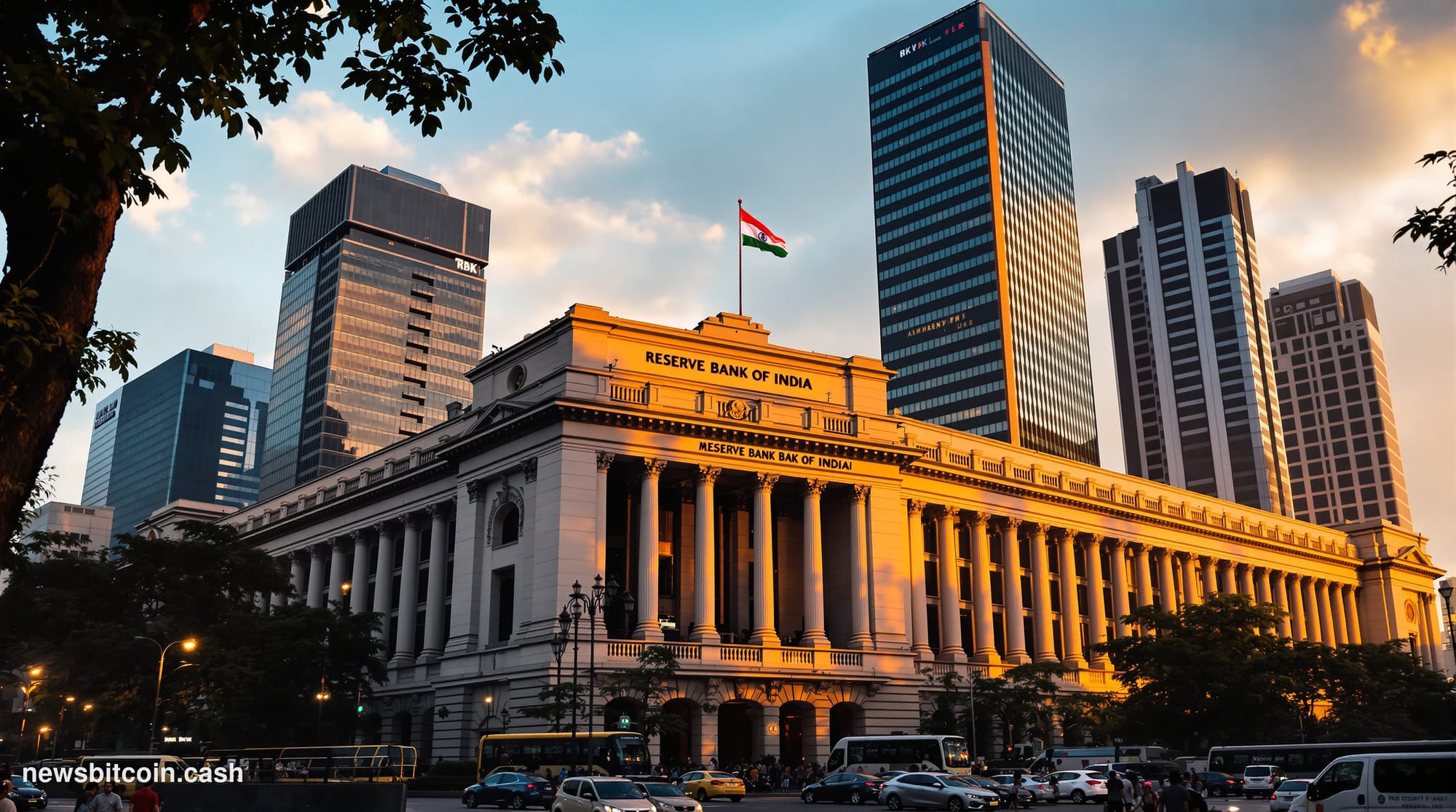
India's aggressive stance against prediction markets has escalated dramatically, with authorities blocking access to Polymarket and setting their sights on Kalshi as the next target in what appears to be a comprehensive crackdown on betting platforms operating in crypto and traditional finance spaces.
The regulatory action represents more than isolated enforcement—it signals a fundamental shift in how major economies approach prediction markets and the broader cryptocurrency ecosystem. India's decision to block these platforms demonstrates the country's willingness to take decisive action against financial products it views as incompatible with domestic policy objectives, regardless of their international legitimacy or technological innovation.
Polymarket's blocking marks a significant escalation in regulatory tensions surrounding prediction markets. The platform, which has gained substantial traction globally for its political and economic forecasting capabilities, now finds itself cut off from one of the world's largest internet markets. This action follows a pattern of increased scrutiny from Indian financial regulators who have consistently taken a cautious approach toward crypto-adjacent financial products.
The targeting of Kalshi represents an even more complex regulatory challenge. Unlike purely crypto-based platforms, Kalshi operates as a regulated entity in the United States, having secured approval from the Commodity Futures Trading Commission for its prediction market operations. India's preparation to block this platform suggests authorities are drawing no distinction between regulated and unregulated prediction markets, focusing instead on the fundamental business model itself.
This crackdown extends beyond immediate platform access issues to question the viability of prediction markets in jurisdictions with restrictive financial regulations. The Indian government's approach appears designed to create clear boundaries around what constitutes acceptable financial innovation, particularly when those innovations intersect with gambling or speculative activities that may conflict with existing legal frameworks.
The global implications of India's actions are substantial. As one of the world's largest digital economies, India's regulatory decisions often influence policy development in other emerging markets. Countries across Southeast Asia, Africa, and Latin America frequently look to India's approach when developing their own cryptocurrency and financial technology regulations, making this crackdown potentially precedent-setting for international markets.
For crypto platforms operating globally, India's actions underscore the complex compliance landscape they must navigate. The distinction between prediction markets and traditional cryptocurrency trading platforms may be narrowing in the eyes of regulators, forcing companies to reconsider their product offerings and geographic strategies. The blocking of these platforms demonstrates that regulatory risk extends beyond traditional cryptocurrency exchanges to encompass any platform that combines digital assets with speculative activities.
The timing of this crackdown also reflects broader global trends toward increased financial market regulation. As prediction markets have gained prominence—particularly during major political events and economic uncertainties—regulators worldwide have begun questioning whether these platforms constitute gambling, financial markets, or an entirely new category requiring specific oversight frameworks.
What emerges from India's decisive action is a clear signal that major economies are prepared to sacrifice innovation in favor of regulatory clarity and domestic policy objectives. The country's approach suggests that global crypto platforms can no longer assume that international legitimacy or technological sophistication will shield them from local regulatory enforcement. Instead, companies must prepare for a landscape where each major market may demand fundamental changes to business models, regardless of global success or regulatory approval elsewhere.
Written by the editorial team — independent journalism powered by Bitcoin News.