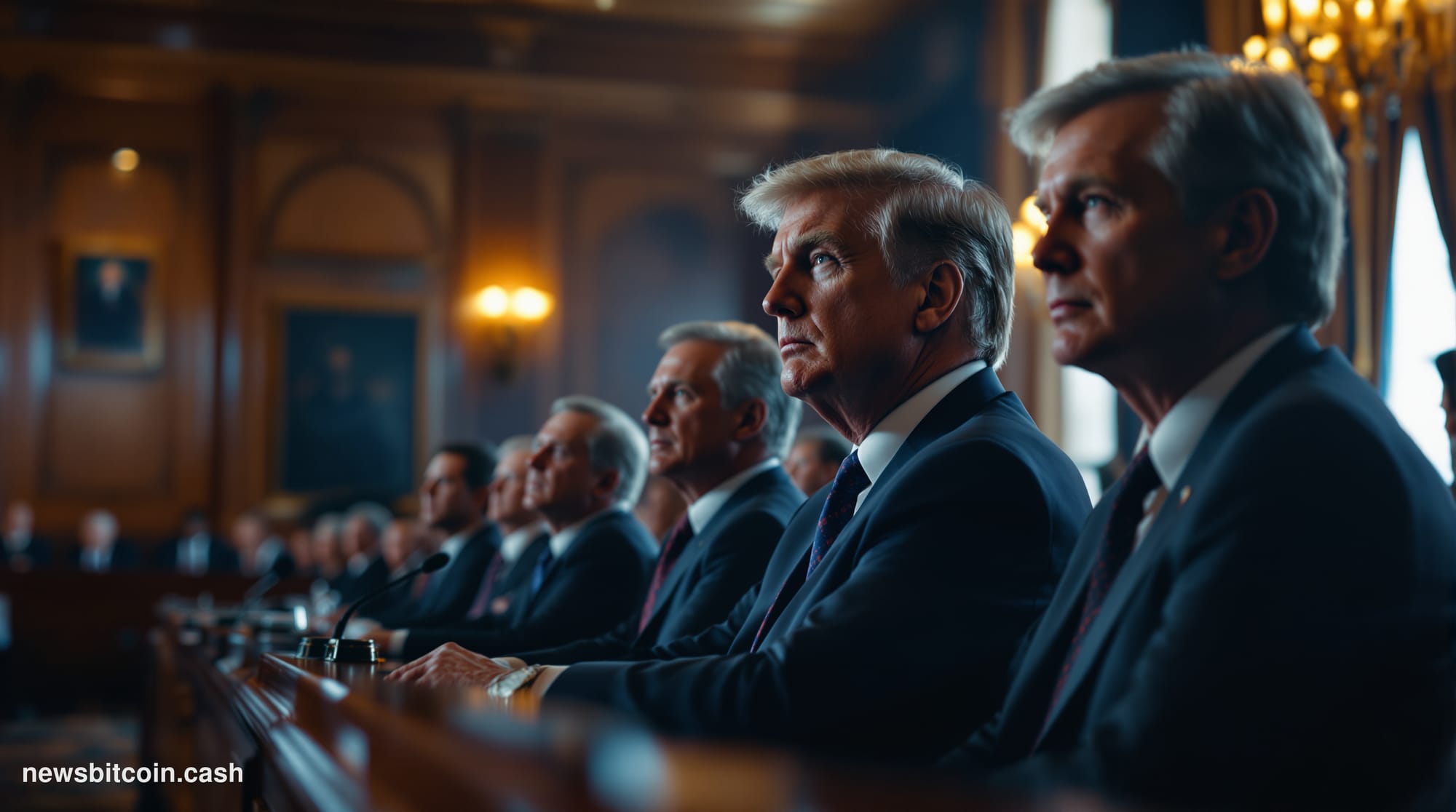
The United States House Ways and Means Committee is preparing to examine critical cryptocurrency taxation policies in a hearing scheduled for Tuesday, with lawmakers expected to weigh proposals for "de minimis" reporting exceptions that could reshape how digital asset transactions are tracked and taxed across the country.
The upcoming congressional session represents a pivotal moment in American digital asset policy, as legislators grapple with creating coherent tax frameworks for an industry that has grown from niche experiment to mainstream financial infrastructure. The focus on de minimis thresholds—minimum transaction amounts below which reporting requirements would not apply—signals lawmakers' recognition that current tax compliance burdens may be stifling everyday cryptocurrency usage.
Traditional financial systems have long employed de minimis exceptions to prevent administrative overload from tracking countless small transactions. Credit card purchases, foreign currency exchanges, and other routine financial activities often fall below reporting thresholds that would otherwise create overwhelming paperwork for both individuals and tax authorities. The cryptocurrency industry has argued for similar treatment, contending that requiring detailed reporting for every coffee purchase made with Bitcoin or small decentralized finance transaction creates an impossible compliance burden.
Congressional Timing and Industry Stakes
The timing of Tuesday's hearing reflects growing congressional urgency around digital asset regulation, as the crypto economy has matured into a multi-trillion dollar ecosystem that touches everything from institutional investment portfolios to consumer payment systems. Major exchanges like Coinbase and traditional financial giants have repeatedly called for regulatory clarity, arguing that uncertain tax treatment hampers innovation and adoption.
Current Internal Revenue Service guidance treats virtually every cryptocurrency transaction as a taxable event, creating complex record-keeping requirements that many argue are impractical for routine use. A person buying lunch with Ethereum would theoretically need to calculate capital gains or losses on that specific portion of their holdings, track the transaction's dollar value, and report it appropriately—a level of granular tracking that few traditional assets require.
The de minimis discussion also touches on broader questions about cryptocurrency's role in the American financial system. Setting appropriate thresholds requires balancing legitimate tax collection with practical usability, as overly restrictive reporting requirements could push activity offshore or underground while overly permissive rules might enable tax avoidance.
Industry and Regulatory Dynamics
Beyond threshold discussions, the hearing is likely to address how digital asset taxation integrates with existing anti-money laundering and compliance frameworks. Traditional financial institutions operating in the crypto space, including established players expanding their digital asset offerings, have emphasized the need for clear rules that align with existing regulatory structures rather than creating parallel systems.
The Ways and Means Committee's examination comes as other congressional bodies have increased their focus on cryptocurrency regulation, with various committees addressing everything from market structure to consumer protection. This multi-pronged approach suggests lawmakers are moving beyond viewing digital assets as a novelty toward treating them as integral components of modern finance that require comprehensive policy frameworks.
For the cryptocurrency industry, Tuesday's hearing represents both opportunity and risk. Clear, reasonable de minimis thresholds could unlock broader consumer adoption by removing compliance friction from everyday transactions. However, overly complex or restrictive proposals could further complicate an already challenging regulatory landscape.
The discussion will also likely touch on enforcement mechanisms and how tax authorities would implement any new frameworks, particularly given the pseudonymous nature of many cryptocurrency transactions. Balancing privacy considerations with tax compliance requirements remains one of the more technically complex aspects of digital asset regulation.
As lawmakers prepare for Tuesday's session, the cryptocurrency industry watches closely for signals about Congress's broader approach to digital asset integration. The outcome could influence everything from consumer payment applications to institutional investment strategies, making this hearing a critical inflection point for American cryptocurrency policy. The Ways and Means Committee's deliberations may well determine whether the United States embraces digital assets as routine financial tools or continues treating them as exceptional instruments requiring extraordinary oversight.
Written by the editorial team — independent journalism powered by Bitcoin News.