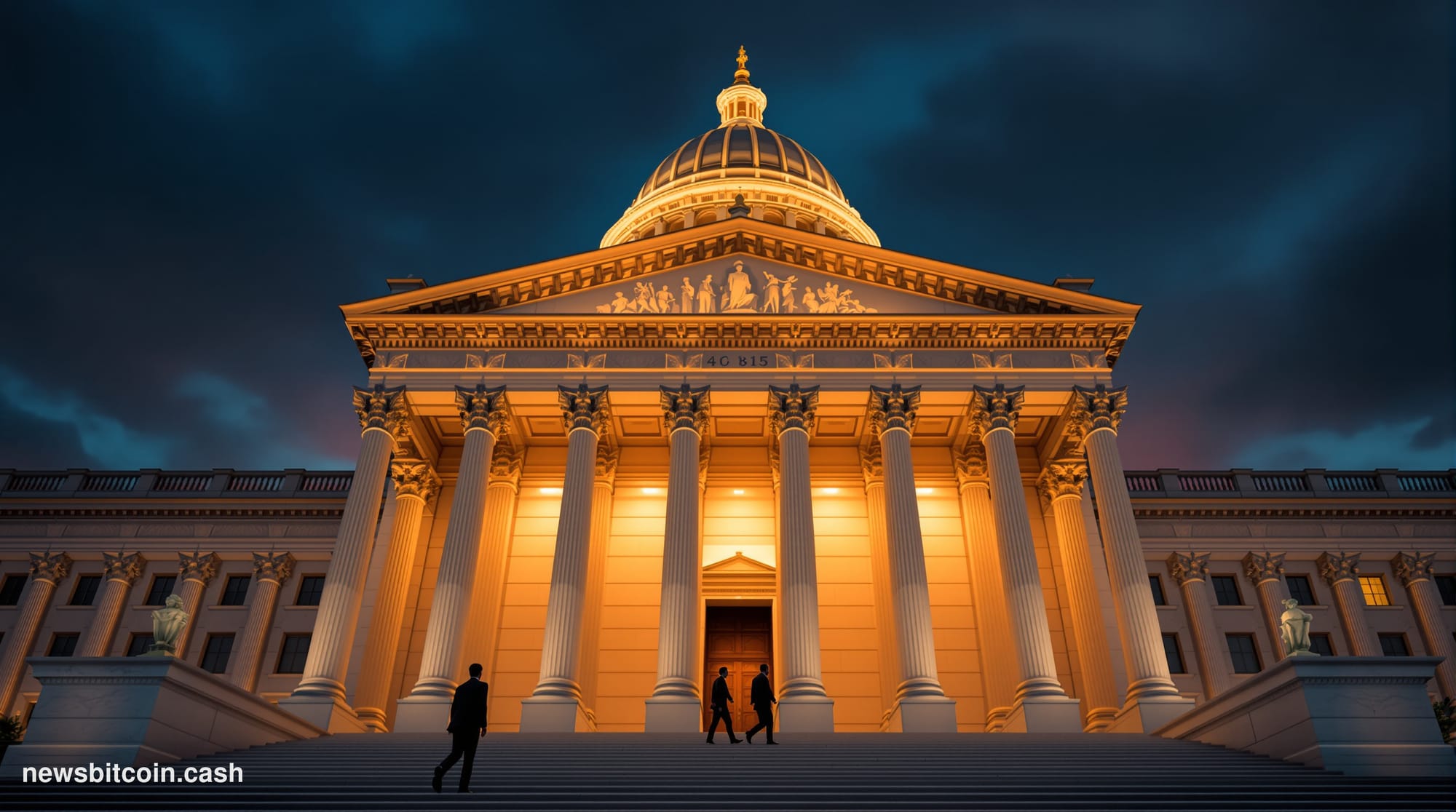
The regulatory crosshairs have found their next target in the rapidly expanding world of prediction markets. The House Oversight Committee has launched an investigation into potential insider trading activities on Polymarket and Kalshi, two prominent platforms that have gained significant traction by allowing users to bet on real-world events ranging from election outcomes to policy decisions.
This congressional scrutiny represents a pivotal moment for prediction markets, which operate in a regulatory gray area that has allowed them to flourish while traditional financial markets face stricter oversight. The investigation signals that lawmakers are increasingly concerned about the intersection of government information access and speculative trading platforms, particularly as these markets have demonstrated remarkable accuracy in forecasting political outcomes.
The timing of this investigation is hardly coincidental. Prediction markets have evolved from niche academic tools into mainstream financial instruments that regularly outperform traditional polling in political races. Polymarket, built on blockchain technology, and Kalshi, operating as a federally regulated exchange, have both witnessed explosive growth as users seek alternatives to conventional betting platforms and investment vehicles.
The core concern driving the House investigation centers on whether individuals with privileged access to government information have exploited their positions to gain unfair advantages in these markets. Unlike traditional stock trading, where insider trading regulations are well-established, prediction markets exist in a murky regulatory environment where the rules of engagement remain largely undefined. This ambiguity has created opportunities for potential abuse while simultaneously fostering innovation in forecasting mechanisms.
For government employees, the stakes are particularly high. The investigation could lead to stricter regulations that fundamentally alter how federal workers interact with prediction markets. Currently, many government officials and staffers participate in these platforms without clear guidelines about what constitutes inappropriate use of non-public information. The committee's probe may establish new boundaries that restrict participation entirely or create complex disclosure requirements.
The broader implications extend beyond individual traders to the structural integrity of prediction markets themselves. These platforms have built their reputations on the principle that aggregated market wisdom produces more accurate forecasts than expert analysis. However, if insider trading becomes pervasive, it could undermine public confidence in these mechanisms and distort the natural price discovery process that makes prediction markets valuable.
The investigation could trigger a cascade of regulatory responses that reshape the prediction market landscape. Stricter oversight might slow the rapid growth these platforms have experienced, potentially stifling innovation in an emerging sector that has shown promise for improving decision-making across various domains. The challenge for regulators lies in balancing consumer protection with the preservation of market efficiency and accessibility.
As this investigation unfolds, it will likely serve as a test case for how traditional financial regulations apply to novel market structures. The outcomes could establish precedents that influence not only prediction markets but also other crypto-adjacent platforms that operate in regulatory twilight zones. The House Oversight Committee's findings may ultimately determine whether prediction markets mature into regulated financial instruments or face restrictions that limit their utility and reach.
Written by the editorial team — independent journalism powered by Bitcoin News.