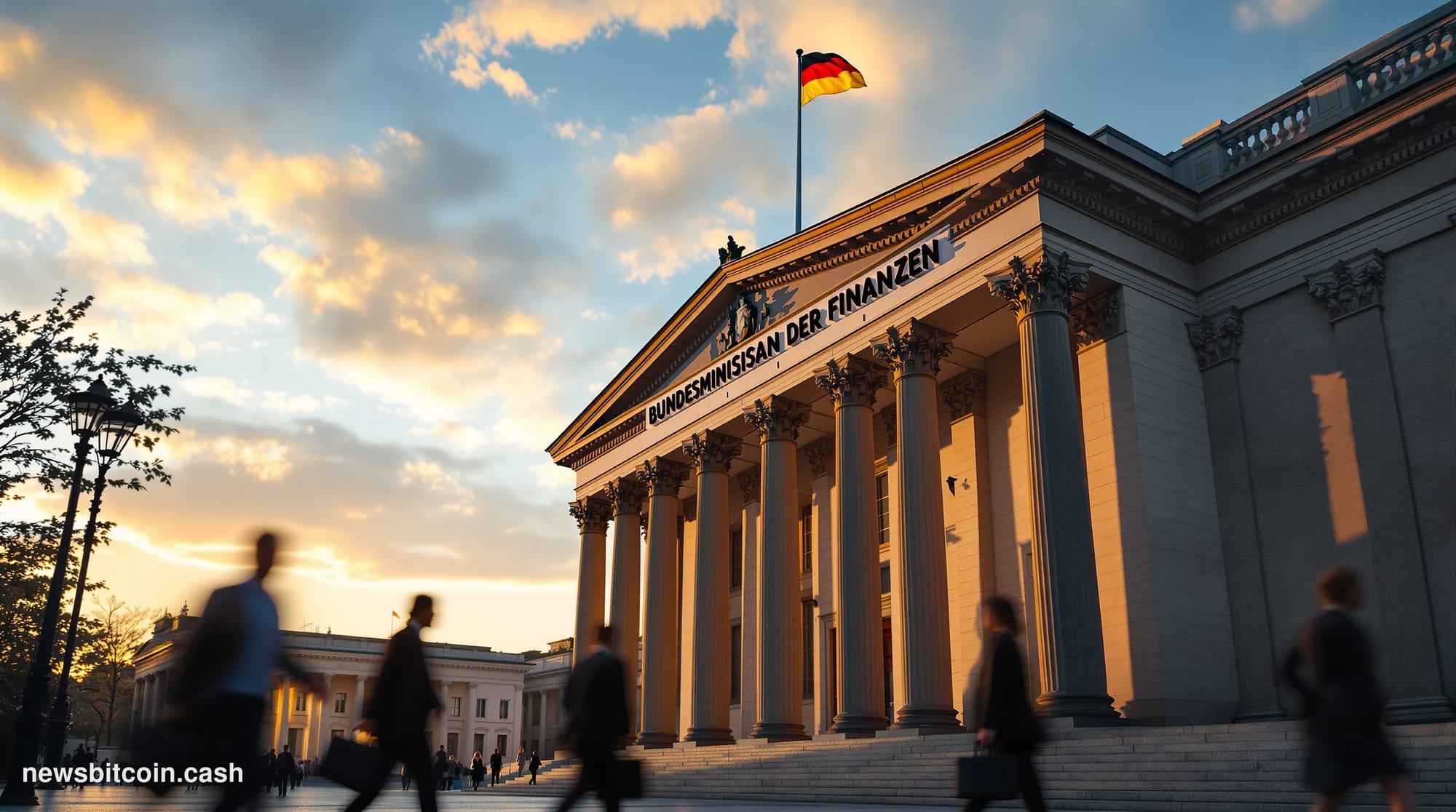
Germany's position as Europe's most crypto-friendly tax jurisdiction faces an existential challenge as authorities signal a comprehensive overhaul of digital asset regulations beginning in 2027. The proposed changes threaten to eliminate the country's signature one-year holding rule that has made it a preferred destination for crypto investors across the European Union.
The current German tax framework offers a unique advantage in the global crypto landscape: digital assets held for more than twelve months are exempt from capital gains tax entirely. This policy has positioned Germany as a regulatory haven, attracting both individual investors and institutional players seeking to optimize their crypto strategies within a major European economy. The stark contrast with other jurisdictions, where crypto gains often face immediate taxation regardless of holding period, has made Germany's approach a cornerstone of its fintech competitiveness.
The impending 2027 overhaul represents more than a simple policy adjustment—it signals a fundamental shift in Germany's approach to digital asset regulation. German tax authorities are simultaneously pursuing stricter enforcement mechanisms alongside the potential elimination of the holding period exemption, creating a dual pressure system that could reshape the country's crypto ecosystem. This enforcement tightening suggests that current compliance gaps have become too significant for authorities to ignore, particularly as crypto adoption has expanded beyond early adopters into mainstream investment portfolios.
The timing of this regulatory reconsideration reflects broader fiscal pressures facing the German government. As traditional revenue streams face pressure from economic headwinds and demographic challenges, crypto taxation presents an increasingly attractive source of additional government income. The growing market capitalization of digital assets, combined with their mainstream adoption, has transformed crypto from a niche tax consideration into a material revenue opportunity that fiscally constrained governments can no longer afford to overlook.
For the European crypto industry, Germany's potential policy reversal carries implications far beyond its borders. The country's current tax framework has served as a competitive differentiator within the EU, where most member states apply standard capital gains treatment to crypto transactions. A German retreat from this position would eliminate a key regulatory arbitrage opportunity that has influenced business location decisions and investment flows across the continent. Companies like Coinbase and other major exchanges have factored Germany's favorable tax treatment into their European expansion strategies.
The enforcement dimension of the proposed changes deserves particular attention from market participants. German authorities' emphasis on tightening compliance suggests that the current system's perceived leniency has created monitoring challenges that threaten tax collection effectiveness. This enforcement focus likely means enhanced reporting requirements, improved transaction tracking capabilities, and stronger penalties for non-compliance—changes that will affect both individual investors and institutional participants regardless of the holding period rule's fate.
The 2027 timeline provides the crypto industry with a critical window for strategic planning and advocacy. Unlike sudden regulatory changes that have disrupted other markets, this advance notice allows businesses and investors to adjust their structures and strategies. However, the extended timeline also creates uncertainty that could influence investment decisions and business development plans throughout the intervening period, potentially dampening Germany's crypto sector growth even before any changes take effect.
Germany's crypto tax reconsideration reflects a broader global trend toward treating digital assets as mature financial instruments subject to standard taxation principles. As governments worldwide grapple with crypto's mainstream adoption, the experimental tax policies of the early adoption period are giving way to conventional revenue optimization approaches. Germany's potential policy shift suggests that even crypto-friendly jurisdictions are reconsidering their positions as fiscal priorities evolve and digital asset markets mature into significant economic factors.
Written by the editorial team — independent journalism powered by Bitcoin News.