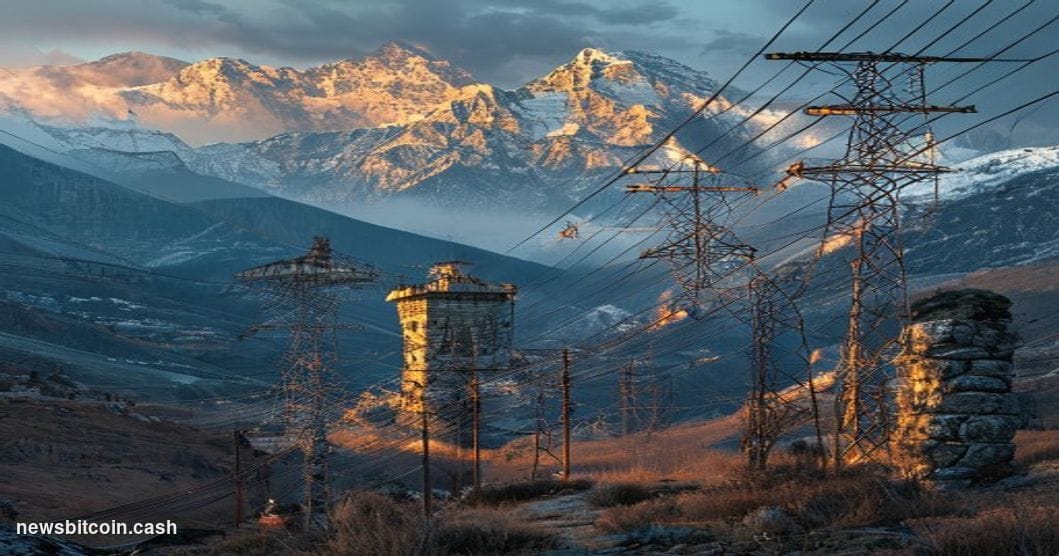
Georgia's government is launching a systematic crackdown on illegal cryptocurrency mining operations in the mountainous Mestia region, deploying electricity meters across the area in response to widespread power grid disruptions that officials directly attribute to unauthorized mining activities.
The enforcement campaign, involving the country's Vice Prime Minister, represents a significant escalation in Georgia's approach to regulating crypto mining infrastructure. By installing comprehensive electricity monitoring systems throughout Mestia, authorities aim to identify and shut down operations that have been siphoning power without proper authorization or payment, creating substantial strain on the regional electrical grid.
Mestia, located in Georgia's remote Svaneti region near the Russian border, has apparently become a hotspot for illicit mining operations drawn by the area's cooler climate and previously limited electrical monitoring. The mountainous terrain and sparse population density likely provided cover for miners seeking to avoid detection while accessing the electrical infrastructure needed for energy-intensive Bitcoin mining operations.
The grid strain and resulting power outages underscore a persistent challenge facing nations where cryptocurrency mining has proliferated without adequate regulatory frameworks. Unlike jurisdictions that have implemented clear licensing requirements and energy quotas for mining operations, Georgia appears to be addressing the issue reactively after infrastructure problems have already materialized.
The meter installation program signals Georgia's recognition that effective crypto mining oversight requires granular monitoring capabilities. Traditional electrical grid management systems often lack the precision needed to identify the specific energy consumption patterns associated with mining equipment, particularly when operators attempt to disguise their activities or distribute loads across multiple connection points.
This enforcement approach reflects broader global trends as governments grapple with balancing cryptocurrency industry development against electrical grid stability and energy policy objectives. Countries from Kazakhstan to Iran have implemented similar monitoring and enforcement measures when mining operations have threatened regional power infrastructure or exceeded available electrical capacity.
The Mestia crackdown also highlights the geographic distribution challenges inherent in crypto mining regulation. Remote mountainous regions like Svaneti present unique enforcement difficulties, requiring authorities to deploy monitoring infrastructure across challenging terrain while maintaining sufficient oversight capabilities to detect unauthorized operations.
For Georgia's broader cryptocurrency sector, the Mestia enforcement campaign may signal more systematic regulatory approaches ahead. The government's willingness to invest in comprehensive electrical monitoring infrastructure suggests authorities view illegal mining as a significant enough threat to justify substantial enforcement resources, potentially foreshadowing expanded oversight in other regions where similar issues emerge.
Written by the editorial team — independent journalism powered by Bitcoin News.