When Galaxy Digital, the Nasdaq-listed digital-asset firm, announced it would rebrand Texas Tech University's football stadium as "Galaxy Stadium" under a 15-year naming rights agreement, the sports marketing world noticed. But anyone watching the digital-asset infrastructure space recognized something else entirely — a calculated land-and-power grab dressed in Red Raiders colors.
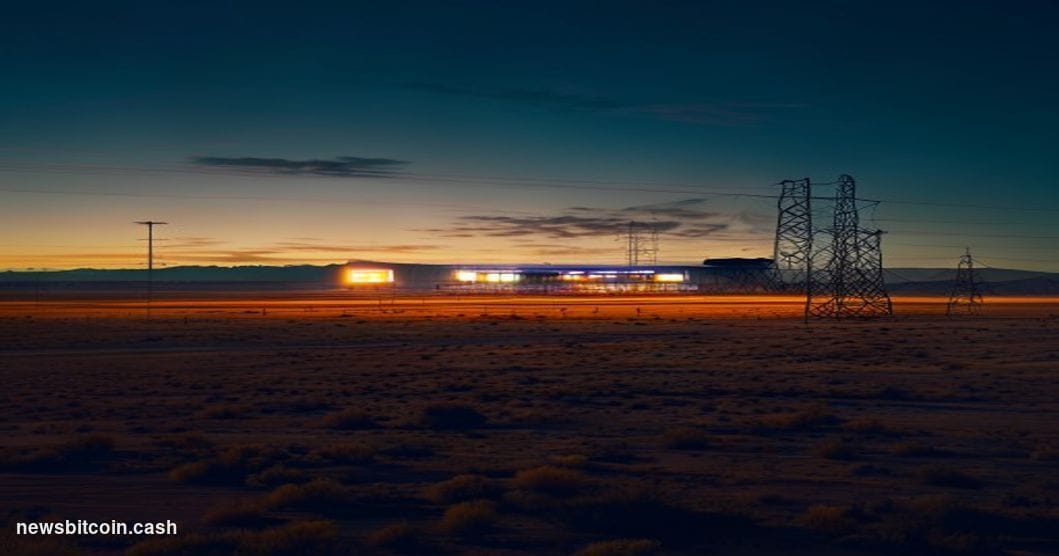
Naming rights deals in American sports are nothing new. Banks, airlines, and insurance companies have been plastering their brands across arenas and stadiums for decades. What separates this arrangement from a typical corporate vanity play is what the source story itself flags as the "bigger bet": the cheap electricity and wide-open land that define West Texas. That context transforms a stadium sponsorship into a statement of geographic intent.
West Texas, anchored by the Permian Basin and its broader energy ecosystem, has become one of the most strategically attractive regions in North America for power-hungry digital-asset operations. Electricity costs in the region routinely undercut national averages, a function of abundant wind generation, natural gas infrastructure, and a deregulated Texas grid that rewards large industrial consumers willing to offer demand-response flexibility. For a firm like Galaxy, which operates across trading, asset management, and infrastructure including mining-adjacent businesses, proximity to that power supply is not a branding afterthought — it is operational logic.
The crypto-native framing of the deal matters too. Galaxy isn't simply writing a check to put its name on a building the way a legacy financial institution might. The structure of the agreement has been described as crypto-native, suggesting the deal may incorporate on-chain elements, digital payment rails, or tokenized components that distinguish it from a conventional stadium naming contract. The specifics remain to be fully detailed, but the language signals an intent to use the partnership itself as a demonstration of how digital-asset firms can engage with mainstream institutions differently from their traditional finance counterparts.
Texas Tech, located in Lubbock, sits squarely in the geographic heart of this energy opportunity. Lubbock operates on its own electric utility network and is surrounded by some of the most productive wind energy corridors in the continental United States. The region has attracted data center interest and industrial energy consumers precisely because of these characteristics. A 15-year commitment to place the Galaxy name on the university's football stadium creates a durable civic presence — the kind of deep local embeddedness that precedes and facilitates large-scale infrastructure investment.
Galaxy Digital's choice of a university stadium rather than a professional sports venue is also worth examining. College football in Texas is not merely entertainment; it is community identity. Texas Tech's Red Raiders draw passionate regional loyalty across a wide swath of West Texas. For a digital-asset firm still navigating questions of legitimacy and permanence in the broader public consciousness, associating with an institution that has been a cultural anchor for decades carries reputational weight that a transient advertising campaign never could. Fifteen years is a long time in any industry, and an extraordinarily long time in crypto — the commitment itself is the message.
Critics will argue that stadium naming deals are expensive brand exercises with limited measurable return, and in many cases that critique lands. But the calculus changes when the brand in question is simultaneously scouting the surrounding region for infrastructure deployment. Every game broadcast that mentions "Galaxy Stadium," every local news story filed from Lubbock, every alumni conversation that includes the name reinforces Galaxy's presence in a geography the firm appears to view as a long-term operational base, not just a marketing backdrop.
The digital-asset sector has matured enough that its leading firms are now making the kinds of multi-decade, place-based commitments that characterize serious industrial enterprises. Galaxy's move echoes the logic that drove tech hyperscalers to build data centers in rural regions — follow the cheap power, establish community ties, and build infrastructure that compounds in value over time. The stadium is the handshake. What happens in the surrounding West Texas landscape over the next 15 years is the actual deal.
For the industry, this signals something broader: the infrastructure layer of crypto is increasingly being built not in coastal financial centers but in energy-rich interior regions where land is cheap, power is abundant, and a 15-year naming rights agreement can buy the kind of civic legitimacy that no amount of digital advertising ever could.
Written by the editorial team — independent journalism powered by Bitcoin News.