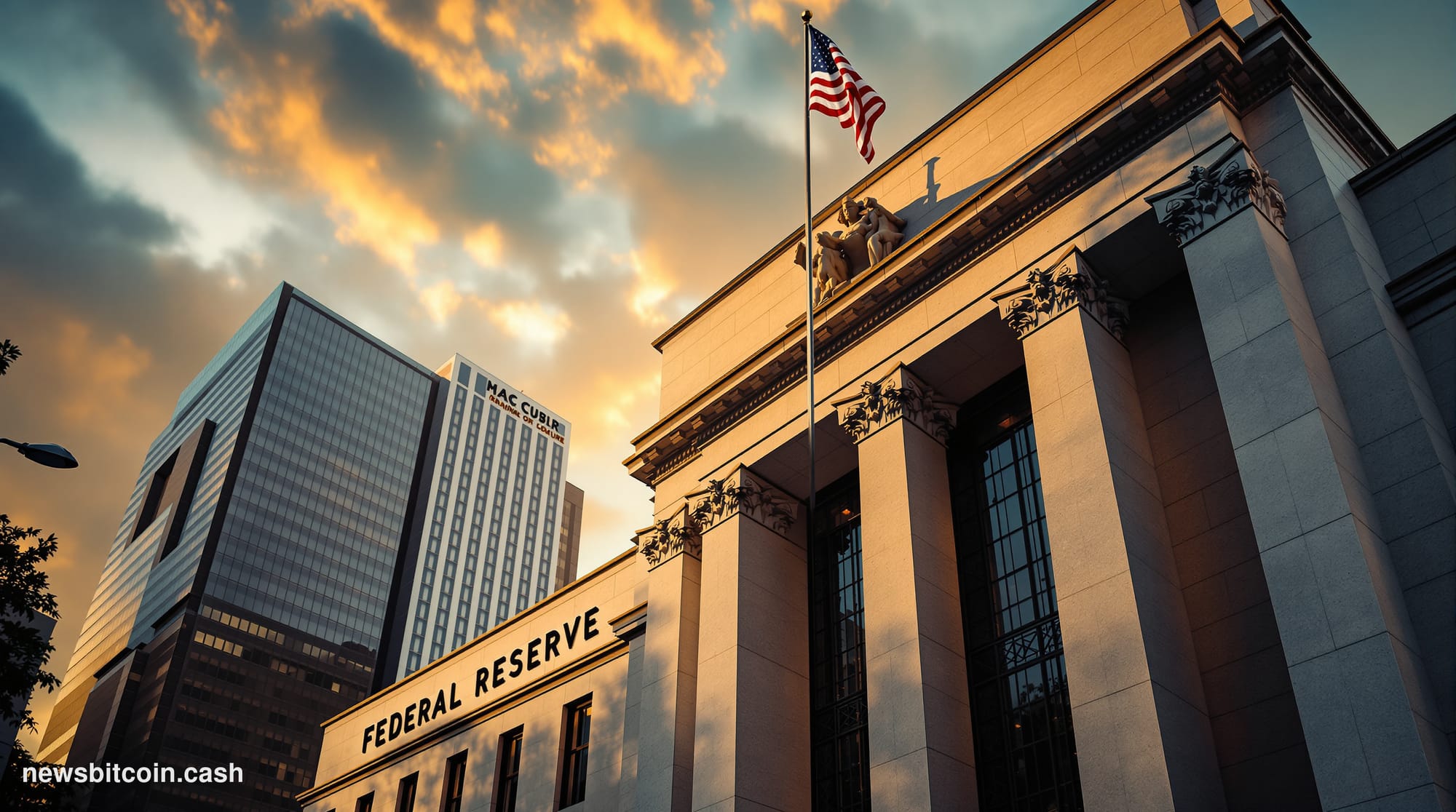
The cryptocurrency market's latest paradox has arrived in the form of Federal Reserve chair Kevin Warsh, whose pro-crypto credentials haven't prevented Bitcoin from sliding following his appointment. Despite expectations that a crypto-friendly Fed leader would boost digital asset prices, bond markets are telling a different story—one where hawkish monetary policy concerns outweigh regulatory optimism.
Bitcoin's decline amid Warsh's ascension to the Fed's top position highlights the complex relationship between monetary policy and digital assets. While Warsh has previously expressed favorable views toward cryptocurrency innovation, his historical track record of hawkish monetary policy positions is now taking precedence in market pricing. Rising short-term bond yields reflect investor expectations that the new Fed chair may prioritize inflation control over accommodative policy, regardless of his crypto stance.
The bond market's reaction suggests that traders are focusing on Warsh's past comments advocating for tighter monetary policy during periods of economic uncertainty. These hawkish positions, which predate his more recent crypto-friendly statements, are now resurfacing as investors attempt to predict his policy direction. The yield curve's movement indicates that market participants believe Warsh may be more inclined toward restrictive monetary policy than his predecessor, creating headwinds for risk assets including Bitcoin.
December rate hike fears are materializing as short-term bond yields climb, reflecting expectations that the Fed under Warsh's leadership may continue or accelerate interest rate increases. This anticipated policy tightening could slam the brakes on Bitcoin's recovery, as higher rates typically reduce appetite for speculative assets and increase the opportunity cost of holding non-yielding digital currencies. The timing proves particularly challenging for Bitcoin, which had shown signs of stabilization before Warsh's appointment triggered fresh selling pressure.
The disconnect between Warsh's crypto-friendly reputation and Bitcoin's market performance underscores the primacy of monetary policy over regulatory stance in driving digital asset prices. While favorable regulatory treatment can provide long-term tailwinds for crypto adoption, immediate price action remains heavily influenced by interest rate expectations and liquidity conditions. Warsh's appointment appears to have shifted market focus from his crypto views to his broader monetary policy philosophy.
Market participants are now grappling with the challenge of reconciling Warsh's dual identity as both a crypto advocate and monetary hawk. His previous statements supporting blockchain innovation and digital asset development stand in contrast to his track record of advocating for restrictive monetary policy during his earlier Fed tenure. This tension creates uncertainty about which aspect of his policy philosophy will dominate his decision-making as chair.
The current market dynamics reveal the sophisticated calculus underlying Bitcoin price movements, where multiple factors compete for influence over investor sentiment. While regulatory clarity and institutional acceptance remain important long-term drivers, short-term price action continues to correlate strongly with traditional financial market conditions, particularly interest rate expectations and dollar strength. Warsh's appointment has crystallized this relationship by presenting investors with competing narratives about crypto's future under his leadership.
What this means for Bitcoin's trajectory depends largely on how Warsh balances his crypto-friendly inclinations with his monetary policy responsibilities. If he prioritizes inflation control and financial stability through higher rates, Bitcoin may face continued pressure regardless of any regulatory benefits his crypto stance might deliver. Conversely, if he finds ways to support digital asset innovation while maintaining price stability, the market's current pessimism could prove premature. The coming months will test whether his crypto advocacy can coexist with the Fed's primary mandate of controlling inflation and maintaining economic stability.
Written by the editorial team — independent journalism powered by Bitcoin News.