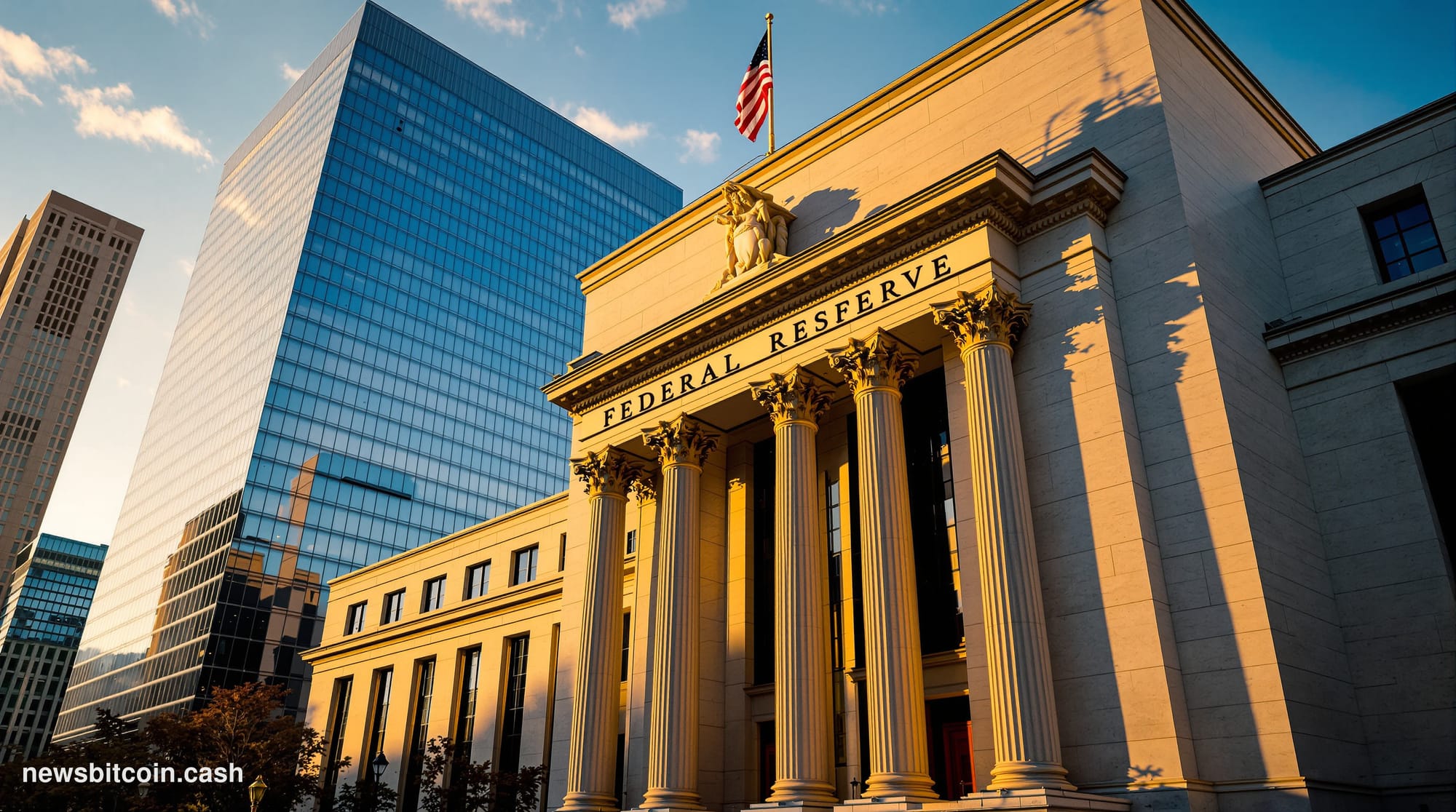
The Federal Reserve has unveiled a proposal that could fundamentally alter the relationship between traditional banking and the digital asset ecosystem. The central bank's plan for "skinny master accounts" would grant fintech and crypto firms limited direct access to Federal Reserve infrastructure, potentially bypassing the traditional banking intermediaries that have long controlled access to the core payment rails of the American financial system.
The proposal represents a significant shift in regulatory thinking about how digital asset companies should interface with the broader financial infrastructure. Currently, crypto firms and fintech companies must rely on traditional banks to access Federal Reserve services, creating dependencies that have proven both costly and operationally complex. The skinny master account framework would provide a more direct pathway, though with carefully defined limitations that distinguish these accounts from the full master accounts held by traditional depository institutions.
For the crypto industry, this development addresses a persistent pain point that has constrained growth and innovation. Many digital asset companies have struggled to maintain stable banking relationships, with traditional institutions often viewing crypto businesses as high-risk clients. This banking access challenge has forced many firms to operate through multiple banking partners or relocate operations to more crypto-friendly jurisdictions. The Fed's proposal could provide a more stable foundation for these businesses to build upon.
Infrastructure Implications
The technical architecture of skinny master accounts would likely focus on essential payment and settlement functions while excluding certain privileges reserved for traditional banks. This approach mirrors regulatory frameworks emerging in other jurisdictions, where central banks are exploring ways to integrate digital asset infrastructure without compromising monetary policy objectives or financial stability safeguards.
The proposal's timing coincides with broader debates about central bank digital currencies and the modernization of payment systems. As the Fed continues developing its FedNow instant payment service and evaluating digital dollar frameworks, providing controlled access to fintech innovators could accelerate systemic improvements while maintaining regulatory oversight.
Traditional banks face a potentially disruptive shift if the proposal advances. Their role as essential intermediaries between the Federal Reserve and the broader financial ecosystem has been a source of competitive advantage and fee income. Direct Fed access for fintech and crypto firms could reduce this intermediation premium, forcing banks to compete more directly on service quality and innovation rather than regulatory access.
Regulatory Framework
The skinny master account proposal reflects the Fed's evolving approach to financial innovation oversight. Rather than maintaining blanket restrictions that push digital asset activity offshore or underground, the central bank appears to be crafting frameworks that bring these activities within the regulatory perimeter while managing associated risks.
Implementation details will prove crucial for determining the proposal's impact. The specific limitations placed on skinny accounts, the application and approval processes, and ongoing supervisory requirements will shape whether this becomes a meaningful bridge between crypto and traditional finance or merely a symbolic gesture with limited practical effect.
The proposal also signals broader recognition that digital assets and decentralized finance protocols are becoming permanent features of the financial landscape rather than temporary phenomena to be contained or eliminated. This perspective represents a marked evolution from earlier regulatory approaches that often sought to limit crypto activity through banking access restrictions.
What this means for the digital asset ecosystem is a potential pathway toward greater financial system integration without sacrificing the innovation that has driven crypto adoption. If successfully implemented, skinny master accounts could provide the infrastructure foundation for more robust institutional crypto services while maintaining the regulatory oversight that policymakers view as essential for systemic stability. The proposal's advancement will likely depend on industry feedback and the Fed's assessment of how limited direct access aligns with broader monetary policy and financial stability objectives.
Written by the editorial team — independent journalism powered by Bitcoin News.