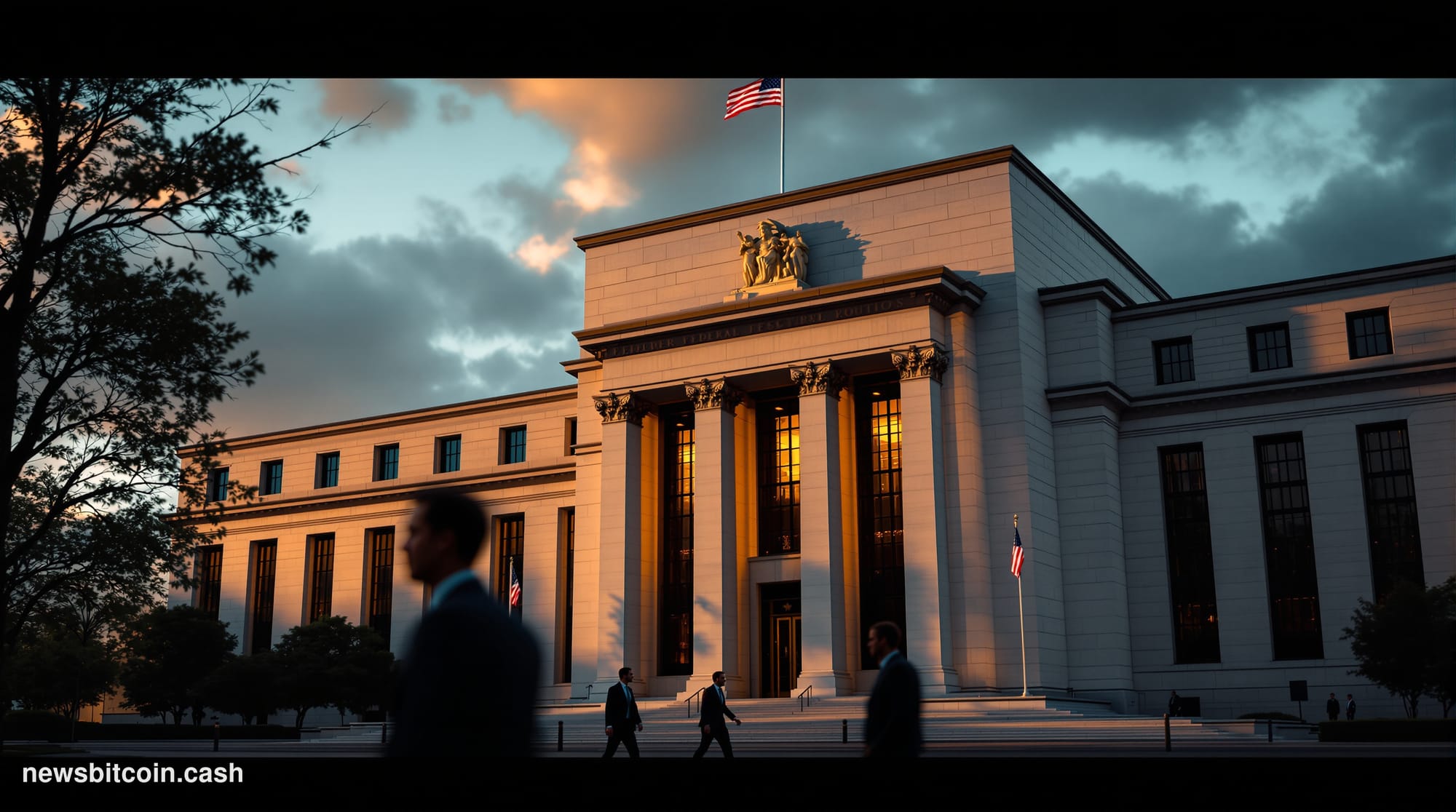
A significant reshuffling at the nation's central bank is setting the stage for a fundamental shift in monetary policy direction, as Stephen Miran's departure from the Federal Reserve clears the path for Kevin Warsh to assume the Fed chair position. This leadership transition arrives at a critical juncture for American monetary policy, with implications that extend far beyond traditional banking into the rapidly evolving landscape of digital assets and cryptocurrency regulation.
Miran's exit removes a key figure from the Fed's current policy framework, creating an opening for Warsh to implement his vision of tighter monetary measures and reduced regulatory oversight. The timing of this transition reflects broader political currents favoring a more conservative approach to central banking, one that could dramatically alter how the Fed approaches everything from interest rates to digital asset policy.
Warsh's Policy Philosophy Takes Center Stage
Kevin Warsh brings a distinctly different perspective to Federal Reserve leadership, with his anticipated tenure likely to usher in tighter monetary measures that could reshape the economic landscape. His approach signals a departure from the accommodative policies that have characterized recent Fed actions, potentially marking the end of an era defined by low interest rates and quantitative easing programs.
The shift toward deregulation under Warsh's leadership represents more than just a change in administrative approach—it suggests a fundamental reorientation of how the central bank views its role in the broader economy. This philosophical change could have particular significance for emerging financial technologies, including cryptocurrencies and blockchain-based financial services that have operated in regulatory gray areas.
Market Dynamics and Financial Stability Concerns
The anticipated policy changes carry substantial implications for financial stability and market dynamics across traditional and digital asset markets. Tighter monetary measures typically translate to higher borrowing costs and reduced liquidity, conditions that historically challenge risk assets including cryptocurrencies. The crypto market, which has shown sensitivity to Fed policy signals, may face headwinds if Warsh implements the more restrictive approach many expect.
However, the deregulatory aspect of Warsh's anticipated agenda could provide offsetting benefits for digital assets. Reduced regulatory burdens might create more favorable conditions for cryptocurrency innovation and institutional adoption, potentially opening new pathways for mainstream financial integration. This dual impact—tighter money but looser regulation—creates a complex environment that market participants will need to navigate carefully.
Institutional Implications Beyond Monetary Policy
The leadership transition extends beyond monetary policy into the realm of institutional culture and regulatory philosophy. Warsh's approach to deregulation could influence how the Fed interacts with other regulatory agencies, potentially affecting coordination on cryptocurrency oversight and digital asset policy development. The central bank's role in shaping the regulatory environment for emerging financial technologies may become more nuanced under his leadership.
Financial institutions, particularly those with significant crypto exposure or digital asset ambitions, will likely recalibrate their strategies in response to the anticipated policy shifts. Banks and payment processors that have been cautious about cryptocurrency integration may find new opportunities emerging from a more deregulation-friendly Fed, while simultaneously preparing for the challenges that tighter monetary conditions typically bring.
Timing and Political Context
The transition occurs against a backdrop of evolving political attitudes toward both monetary policy and cryptocurrency regulation. Warsh's positioning as the next Fed chair reflects broader institutional preferences for more conservative central banking approaches, aligning with political currents that favor reduced government intervention in markets while maintaining focus on price stability and financial system integrity.
This leadership change also coincides with increasing global competition in central bank digital currency development and growing institutional interest in cryptocurrency adoption. The Fed's approach under new leadership will influence America's position in these evolving areas of monetary innovation and financial technology development.
What This Means for Markets and Policy
The anticipated shift in Fed leadership represents a inflection point for monetary policy and financial regulation that will reverberate through traditional and digital asset markets. Warsh's expected emphasis on tighter monetary measures and deregulation creates a unique policy environment that could simultaneously challenge and benefit different segments of the financial ecosystem.
Market participants should prepare for a central bank that may be less accommodative in its monetary stance while potentially more permissive in its regulatory approach. This combination could reshape risk assessments across asset classes and influence capital allocation decisions for institutions operating at the intersection of traditional finance and emerging digital assets. The leadership transition signals that American monetary policy is entering a new phase, one that will require careful navigation by all market participants.
Written by the editorial team — independent journalism powered by Bitcoin News.