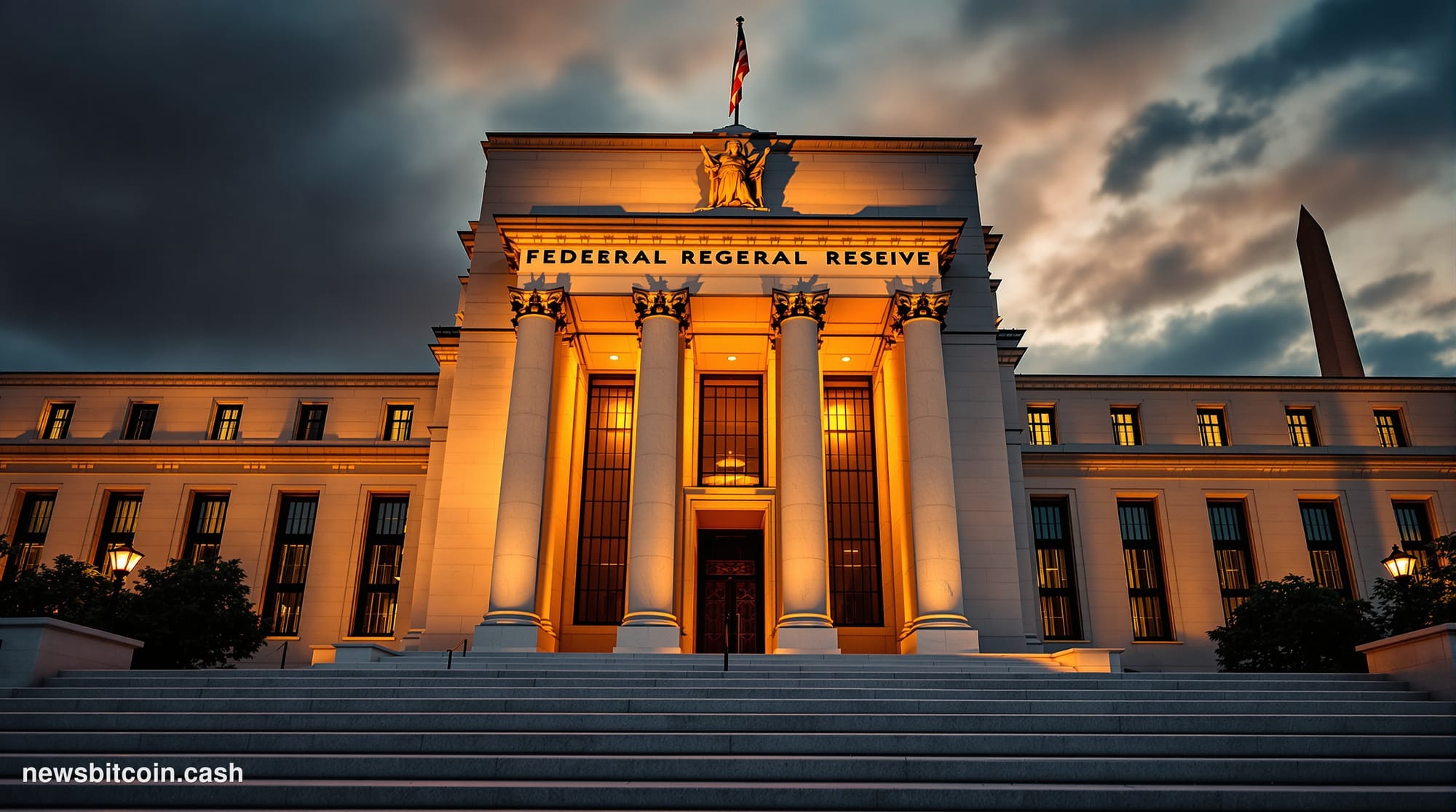
The Federal Reserve has issued signals of a potentially more accommodating stance toward cryptocurrency banking operations, according to a new supervision report that emphasizes traditional banking stability while adopting what analysts describe as a cautious approach to digital asset oversight. The development comes as financial institutions continue navigating an uncertain regulatory landscape for crypto-related services.
The Fed's latest supervision report indicates a strategic shift toward prioritizing conventional banking stability mechanisms over direct cryptocurrency regulation, suggesting that banking institutions may find more breathing room for crypto-related activities. This measured approach represents a notable departure from the more restrictive postures adopted during previous periods of heightened regulatory scrutiny.
The central bank's focus on traditional banking stability creates an interesting dynamic for institutions seeking to expand their digital asset offerings. Rather than implementing sweeping crypto-specific restrictions, the Fed appears to be maintaining its core mandate of ensuring systemic financial stability while allowing market forces and existing regulatory frameworks to guide the evolution of crypto banking services.
However, this cautious approach carries significant implications for the broader digital asset ecosystem. The report's emphasis on measured oversight potentially delays the regulatory clarity that crypto firms and traditional financial institutions have been seeking. Banks looking to launch comprehensive cryptocurrency services may find themselves operating in a continued state of regulatory ambiguity, even as enforcement pressures appear to be softening.
The timing of this supervisory perspective proves particularly significant as major financial institutions continue expanding their digital asset operations. Traditional banks have been gradually integrating cryptocurrency custody, trading, and lending services, often under the guidance of existing banking regulations rather than crypto-specific frameworks. The Fed's apparent willingness to allow this organic development suggests recognition of the sector's maturation.
Market participants have long argued that regulatory uncertainty represents one of the primary barriers to mainstream crypto adoption within traditional banking channels. The Fed's more accommodating supervisory stance could accelerate institutional adoption, though the lack of explicit regulatory clarity may still constrain more aggressive expansion plans from conservative banking institutions.
The supervision report's implications extend beyond immediate banking operations to broader questions about the Fed's role in digital asset oversight. As other regulatory agencies continue developing crypto-specific frameworks, the central bank's focus on traditional banking metrics suggests a collaborative rather than competitive approach to digital asset supervision.
Industry observers note that this measured regulatory environment may actually benefit long-term sector development by allowing market-driven innovation while maintaining essential banking safeguards. Banks can continue developing crypto capabilities within existing risk management frameworks, potentially creating more sustainable integration models than rapid regulatory mandates might produce.
The cautious approach also reflects broader central banking trends globally, where monetary authorities are balancing innovation encouragement with financial stability concerns. The Fed's supervision report suggests American banking regulators are taking a similarly nuanced view, prioritizing system-wide stability while avoiding premature constraints on emerging financial technologies.
This development positions the United States banking system for continued gradual crypto integration, even as comprehensive regulatory frameworks remain under development. The Fed's supervision priorities signal that traditional banking institutions may find expanded opportunities for digital asset services, provided they maintain robust risk management and comply with existing banking regulations. Whether this approach ultimately accelerates or constrains crypto banking development will depend largely on how institutions interpret and respond to this regulatory flexibility.
Written by the editorial team — independent journalism powered by Bitcoin News.