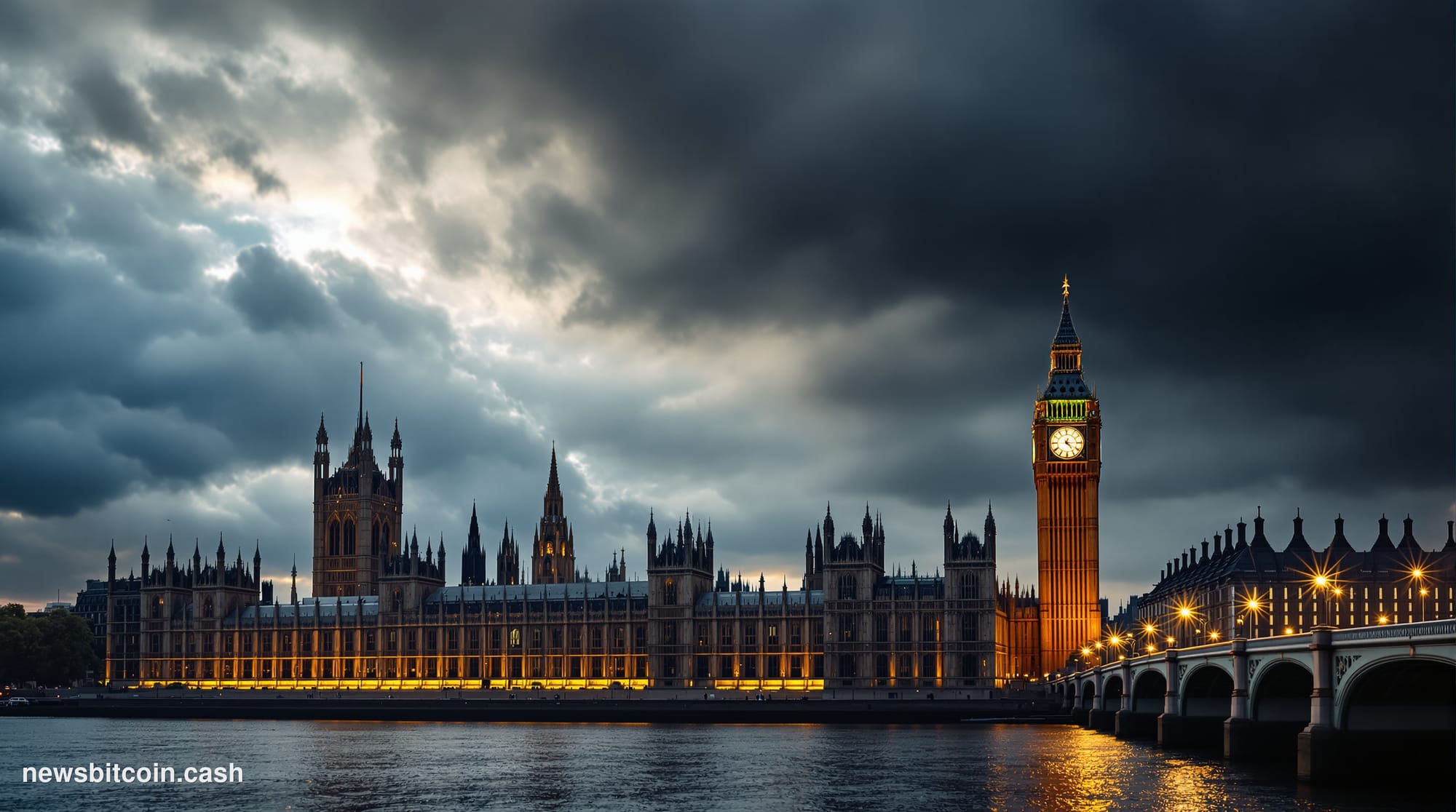
British politics faces a new battleground as cryptocurrency wealth increasingly flows into campaign coffers, with Reform UK leader Nigel Farage now squarely in the crosshairs over transparency questions surrounding a massive donation from the digital asset world.
Labour Party Chair Anna Turley has directly confronted Farage with accusations that he is "evading reasonable scrutiny" over a $6.7 million gift from Christopher Harborne, the billionaire investor closely associated with Tether. The confrontation highlights growing tensions over how cryptocurrency fortunes are reshaping political funding landscapes across Western democracies.
Harborne's substantial financial backing of Reform UK represents one of the largest known cryptocurrency-linked political donations in British history. The Thai-based British businessman has built significant wealth through investments in digital assets, particularly through his connections to Tether, the world's largest stablecoin issuer. His willingness to deploy millions in support of Farage's political movement signals how crypto entrepreneurs are increasingly seeking to influence traditional political processes.
The timing of Labour's challenge carries particular significance as British regulators continue developing comprehensive frameworks for digital asset oversight. Farage's Reform UK has generally advocated for lighter regulatory approaches to cryptocurrency, positioning itself as more crypto-friendly than established parties. This alignment between donor interests and policy positions raises questions that extend beyond typical campaign finance concerns.
Turley's letter represents more than routine political sparring. It reflects growing unease among traditional political establishments about the influence of crypto wealth, particularly when that wealth originates from companies operating in regulatory gray areas. Tether has faced ongoing scrutiny from global regulators over its reserves backing and operational transparency, making donations from figures closely associated with the company politically sensitive.
The $6.7 million figure itself demands context within British political funding norms. Such sums dwarf typical party donations and approach levels that can fundamentally alter political party capabilities and influence. For Reform UK, a relatively newer political movement, Harborne's support represents transformational financial backing that enables expanded operations, increased media presence, and enhanced electoral competitiveness.
Beyond immediate political implications, this controversy illuminates broader questions about how democratic institutions adapt to new forms of wealth creation. Cryptocurrency has generated unprecedented individual fortunes in remarkably short timeframes, often outside traditional financial oversight mechanisms. When these fortunes enter political systems, they bring both opportunity and complexity that existing transparency frameworks struggle to address.
The international dimension adds another layer of complexity. Harborne operates primarily from Thailand while maintaining British citizenship, reflecting the global nature of cryptocurrency wealth. This geographic dispersion of crypto fortunes challenges traditional notions of domestic versus foreign political influence, particularly when donors maintain complex international business structures.
What this controversy ultimately reveals is how cryptocurrency's disruptive force extends far beyond financial markets into the fundamental mechanics of democratic governance. As crypto wealth continues growing and its holders seek political influence, established parties face pressure to either embrace this new funding source or risk competitive disadvantage. Meanwhile, regulatory frameworks designed for traditional finance prove inadequate for addressing the unique challenges posed by digital asset wealth in political contexts. The Farage-Harborne situation may well establish precedents for how Western democracies handle cryptocurrency political influence in the years ahead.
Written by the editorial team — independent journalism powered by Bitcoin News.