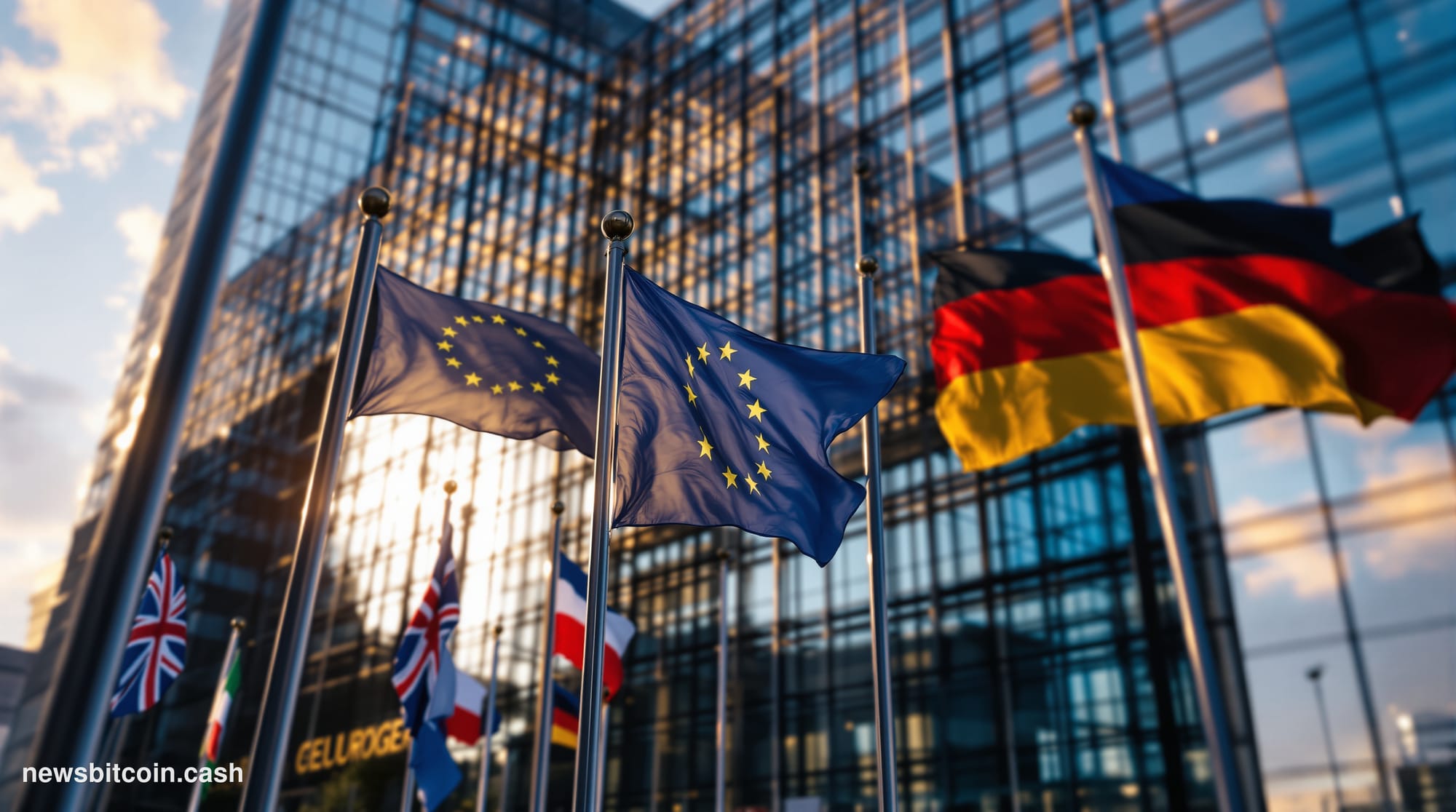
A seismic shift in international sanctions policy is taking shape as the United Kingdom, France, Germany, and Italy signal their readiness to lift economic restrictions on Iran following a breakthrough US-Iran agreement. This coordinated European response marks a potential turning point in global energy markets and could trigger cascading effects across digital asset markets that have become increasingly sensitive to geopolitical developments.
The prospect of sanctions relief represents more than diplomatic theater—it signals a fundamental recalibration of global energy flows that could reshape cryptocurrency markets in unexpected ways. Iran's reintegration into international banking systems would likely reduce the country's reliance on digital assets as sanctions-evasion tools, while simultaneously opening new corridors for legitimate blockchain-based trade infrastructure.
European policymakers appear to be moving in lockstep with American diplomatic initiatives, suggesting a level of transatlantic coordination rarely seen in recent sanctions regimes. The alignment between major European economies creates momentum for comprehensive sanctions relief that could materialize faster than traditional diplomatic timelines would suggest. This unified approach contrasts sharply with the fragmented responses that characterized previous Middle Eastern diplomatic initiatives.
Energy market analysts are already pricing in scenarios where Iranian oil exports return to pre-sanctions levels, potentially adding millions of barrels to global supply chains. The immediate implications extend beyond traditional commodities into the cryptocurrency space, where energy-intensive mining operations could benefit from stabilized global energy prices. Countries heavily invested in Bitcoin mining infrastructure, particularly those operating on tight energy margins, may find their operational economics significantly improved.
The sanctions architecture that has isolated Iran from global financial systems also inadvertently accelerated the country's experimentation with digital currencies and blockchain technologies. Iranian authorities have previously explored state-backed digital currencies as mechanisms to circumvent traditional banking restrictions. A sanctions relief scenario could paradoxically slow this digital currency innovation as conventional banking channels reopen, but it might also legitimize existing blockchain infrastructure for international trade.
Financial institutions across Europe are likely conducting preliminary assessments of Iranian market re-entry strategies, with particular attention to compliance frameworks that could govern cryptocurrency transactions involving Iranian entities. The regulatory complexity of managing sanctions relief while maintaining anti-money laundering standards will require sophisticated technological solutions, potentially driving demand for blockchain-based compliance tools.
The broader geopolitical implications extend into cryptocurrency regulation itself. European authorities have been crafting comprehensive digital asset frameworks through initiatives like the Markets in Crypto-Assets regulation, and Iranian sanctions relief could create test cases for how these frameworks handle previously sanctioned entities entering legitimate digital asset markets. The precedent established here may influence how similar sanctions relief scenarios unfold in other jurisdictions.
Market participants should expect volatility in energy-linked cryptocurrencies and tokens tied to Middle Eastern economic activity as diplomatic developments unfold. The potential for rapid policy changes creates both opportunities and risks for institutional investors who have increasingly allocated capital to digital assets as portfolio diversification tools. Traditional safe-haven assets may see reduced demand if geopolitical tensions ease, potentially redirecting investment flows toward riskier cryptocurrency positions.
What emerges from this diplomatic breakthrough could be a new template for how blockchain technologies integrate with international sanctions policy. Rather than viewing cryptocurrencies purely as sanctions evasion mechanisms, policymakers may begin recognizing their potential as transparent, auditable tools for managing the complex transition from economic isolation to market reintegration. The Iranian case study could become a proving ground for blockchain-based compliance solutions that other sanctions relief scenarios might adopt.
Written by the editorial team — independent journalism powered by Bitcoin News.