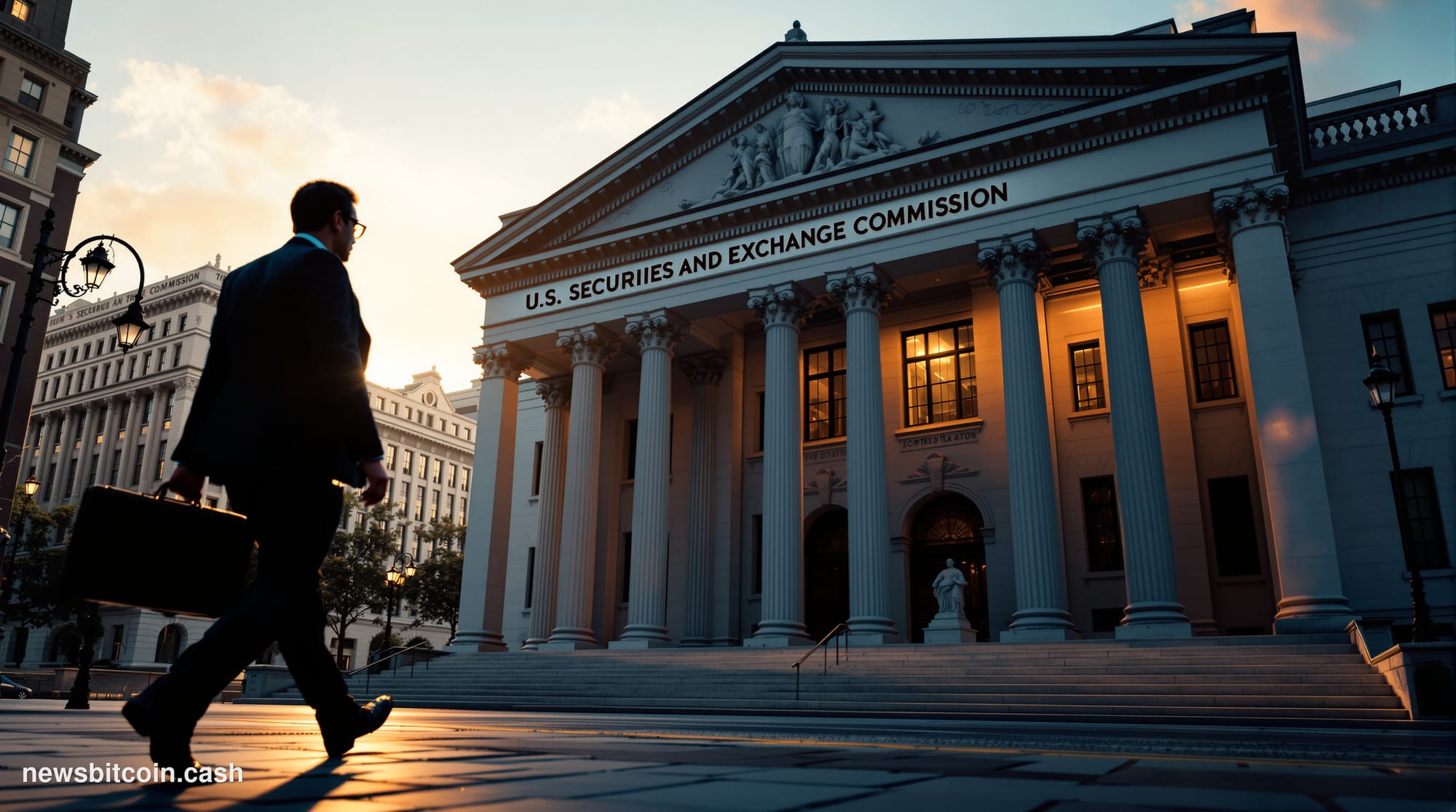
Few names in Washington carry more regulatory weight inside the digital assets industry than Elizabeth Warren. Now, with Democrats positioned to control Congress, the Massachusetts senator is set to assume the chairmanship of the Senate Banking Committee — a development that has Wall Street strategists, retail day traders, and cryptocurrency advocates recalibrating their risk models simultaneously. If her record is any guide, the oversight agenda that follows will be aggressive, wide-ranging, and largely unwelcome in markets that have grown accustomed to operating in regulatory grey zones.
Warren has built one of the most consistent anti-crypto legislative records in the Senate. She has pushed repeatedly for stricter Anti-Money Laundering (AML) and Know Your Customer (KYC) requirements to be applied to digital asset platforms, co-authored legislation that would have extended Bank Secrecy Act obligations to crypto miners and validators, and publicly framed the entire industry as a vehicle for illicit finance. Her elevation to the Banking Committee's top seat does not merely signal a shift in tone — it hands her the institutional machinery to actually move that agenda: subpoena authority, hearing schedules, markup sessions, and direct influence over which bills reach the Senate floor.
What makes this moment distinct from Warren's previous legislative campaigns is the scope. The scrutiny being anticipated under a Democratic-controlled Congress is not limited to Coinbase or Binance or the stablecoin market. Day trading — the practice of retail investors executing rapid, intraday equity and options trades — is reportedly in the crosshairs as well. This matters because it signals a broader philosophy: that speculative activity across asset classes, not just crypto, warrants tighter guardrails. The political framing writes itself. In a Democratic Congress looking to draw contrasts with deregulatory opponents, targeting both Wall Street complexity and retail speculation simultaneously is a coherent, populist message.
For the crypto industry specifically, the timing is awkward. Digital asset markets have spent the past two years attempting to demonstrate institutional legitimacy — spot Bitcoin exchange-traded funds (ETFs) have been approved, major custody infrastructure has matured, and several large financial institutions have deepened their on-chain exposure. The industry has been lobbying hard for a stable legislative framework, one that provides clarity on asset classification and market structure rather than punitive restrictions. A Warren-chaired Banking Committee represents the opposite trajectory: regulatory pressure applied before legislative clarity is established, with enforcement philosophy preceding coherent rulemaking.
The day trading dimension deserves closer examination. Retail participation in equity markets surged after 2020 and has remained elevated, fueled by commission-free platforms and social media-driven investment communities. Regulators and legislators have periodically floated ideas ranging from transaction taxes on short-term trades to stricter margin requirements for retail accounts. Warren's interest in this space suggests that any Banking Committee agenda might seek to link crypto speculation and equity day trading under a unified narrative about financial instability and consumer harm — a framing that would be politically potent but technically contentious, given the meaningful structural differences between the two activities.
Wall Street itself is not immune. Large banks and broker-dealers have navigated a relatively accommodating environment across recent years, but Warren has long argued that the structural risks embedded in major financial institutions remain inadequately addressed since the 2008 financial crisis. As committee chair, she would have a platform to revisit capital requirements, proprietary trading restrictions, and executive compensation structures in ways that go well beyond crypto-specific legislation. The breadth of that agenda — spanning traditional finance, retail markets, and digital assets — would make the Banking Committee under her leadership one of the most consequential regulatory arenas in Washington.
What this means in practice depends heavily on floor dynamics and the composition of the full Senate. Committee chairs shape agendas and control hearings, but they do not legislate unilaterally. Bipartisan support would be required to advance most significant bills, and there are Democratic senators with meaningful crypto constituencies who may resist the most restrictive proposals. Still, the investigative and reputational power of a Banking Committee hearing should not be underestimated — the ability to compel testimony, generate headlines, and create political pressure on regulators is substantial even without passing a single bill.
For the digital assets industry, the message from this development is unambiguous: the window for securing a permissive legislative framework has narrowed considerably. The strategic question is whether industry coalitions can find enough common ground with moderate Democrats to shape whatever legislation does emerge, or whether Warren's framing — crypto as risk, speculation as harm — becomes the dominant lens through which the Banking Committee approaches the sector for the next Congressional cycle. That answer will define the regulatory environment for digital assets far more than any single enforcement action from the Securities and Exchange Commission (SEC).
Written by the editorial team — independent journalism powered by Bitcoin News.