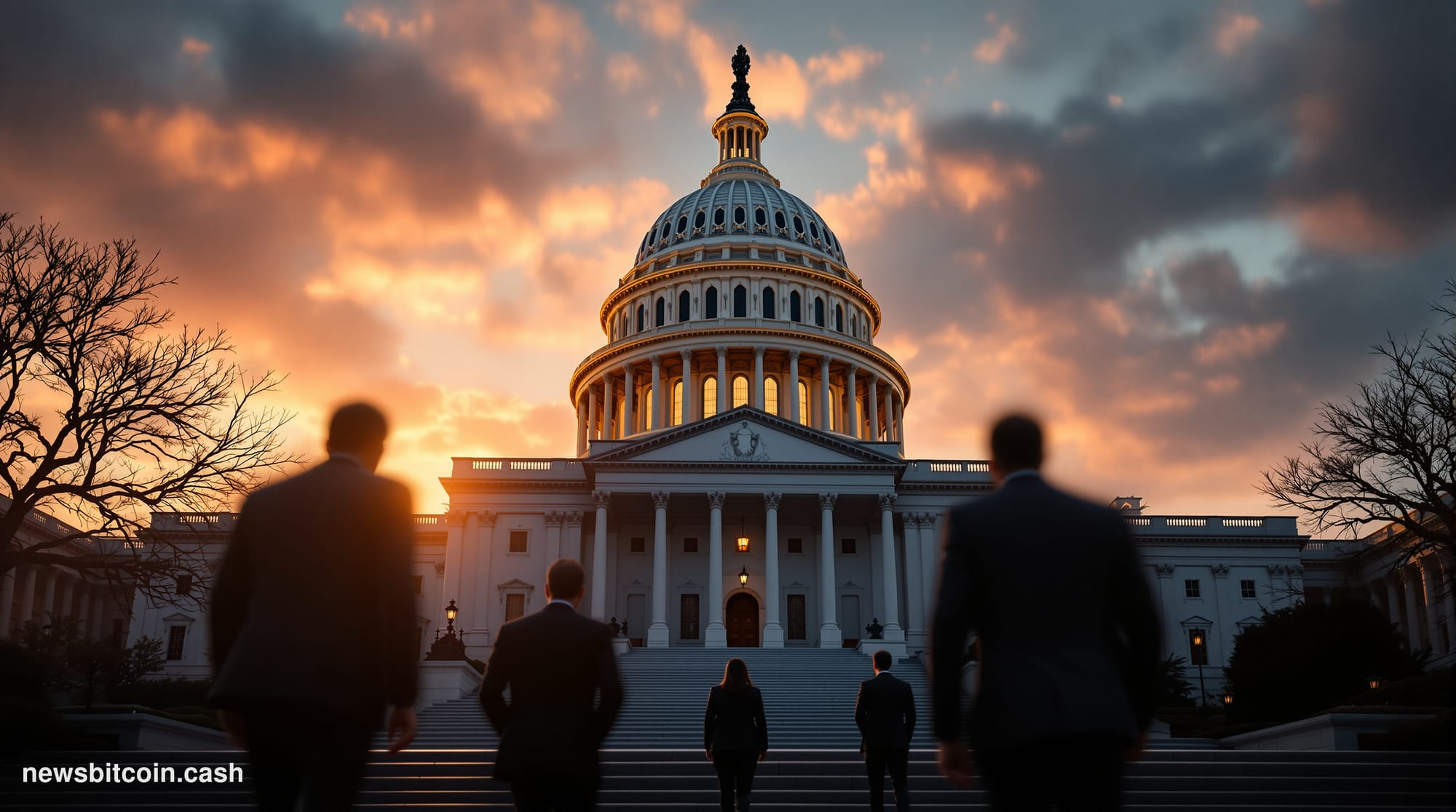
The cryptocurrency industry is mobilizing its full political arsenal in a concentrated effort to push the CLARITY Act through the Senate, marking what could become the most significant regulatory victory for digital assets since the sector entered mainstream finance. This coordinated campaign by advocacy groups represents a critical juncture where years of regulatory uncertainty could finally give way to the legislative clarity that has eluded the industry.
The timing of this Senate push reflects the industry's recognition that the current regulatory environment has reached an inflection point. With enforcement actions continuing to create uncertainty and innovation potentially migrating offshore, crypto advocates understand that securing legislative wins now could determine whether the United States maintains its position as a global leader in digital asset development or cedes ground to more crypto-friendly jurisdictions.
The CLARITY Act itself has emerged as a cornerstone piece of legislation for the industry, promising to establish clearer regulatory frameworks that could reduce the compliance burden on crypto companies while providing the legal certainty needed for institutional adoption to accelerate. The bill's provisions would address many of the gray areas that have plagued crypto businesses, from token classification standards to custody requirements and trading platform regulations.
What makes this advocacy campaign particularly noteworthy is its coordinated nature across multiple industry organizations. Rather than fragmented lobbying efforts, the crypto sector appears to have learned from previous regulatory battles and is now presenting a unified front. This strategic evolution suggests the industry has matured beyond its early days of reactive responses to regulatory challenges and is now proactively shaping the legislative conversation.
The Senate focus also highlights the unique dynamics of crypto regulation in the upper chamber. Unlike the House, where crypto legislation has seen more movement, the Senate's more deliberative pace and different committee structures require distinct advocacy strategies. The industry's recognition of these institutional realities demonstrates a sophisticated understanding of how transformative policy actually gets enacted in Washington.
For the broader digital asset ecosystem, the success or failure of this Senate campaign could have profound implications. Coinbase and other major platforms have repeatedly cited regulatory uncertainty as a primary constraint on innovation and expansion. Clear legislative guidance could unlock new product development, institutional services, and potentially even central bank digital currency infrastructure that remains in regulatory limbo.
The advocacy blitz also comes as international competition for crypto leadership intensifies. European Union markets are operating under increasingly clear regulatory frameworks, while jurisdictions like Singapore and Switzerland have established themselves as crypto-friendly hubs. The United States risks falling behind if comprehensive legislation continues to stall, making this Senate campaign about more than just one bill—it's about maintaining American technological leadership in the next phase of financial innovation.
Whether this coordinated effort succeeds will likely depend on the industry's ability to demonstrate that clear regulation serves broader economic interests beyond just crypto companies. The advocacy groups will need to make compelling cases about job creation, innovation leadership, and consumer protection benefits that resonate with senators representing diverse constituencies, many of whom may have limited exposure to digital asset issues.
Written by the editorial team — independent journalism powered by Bitcoin News.