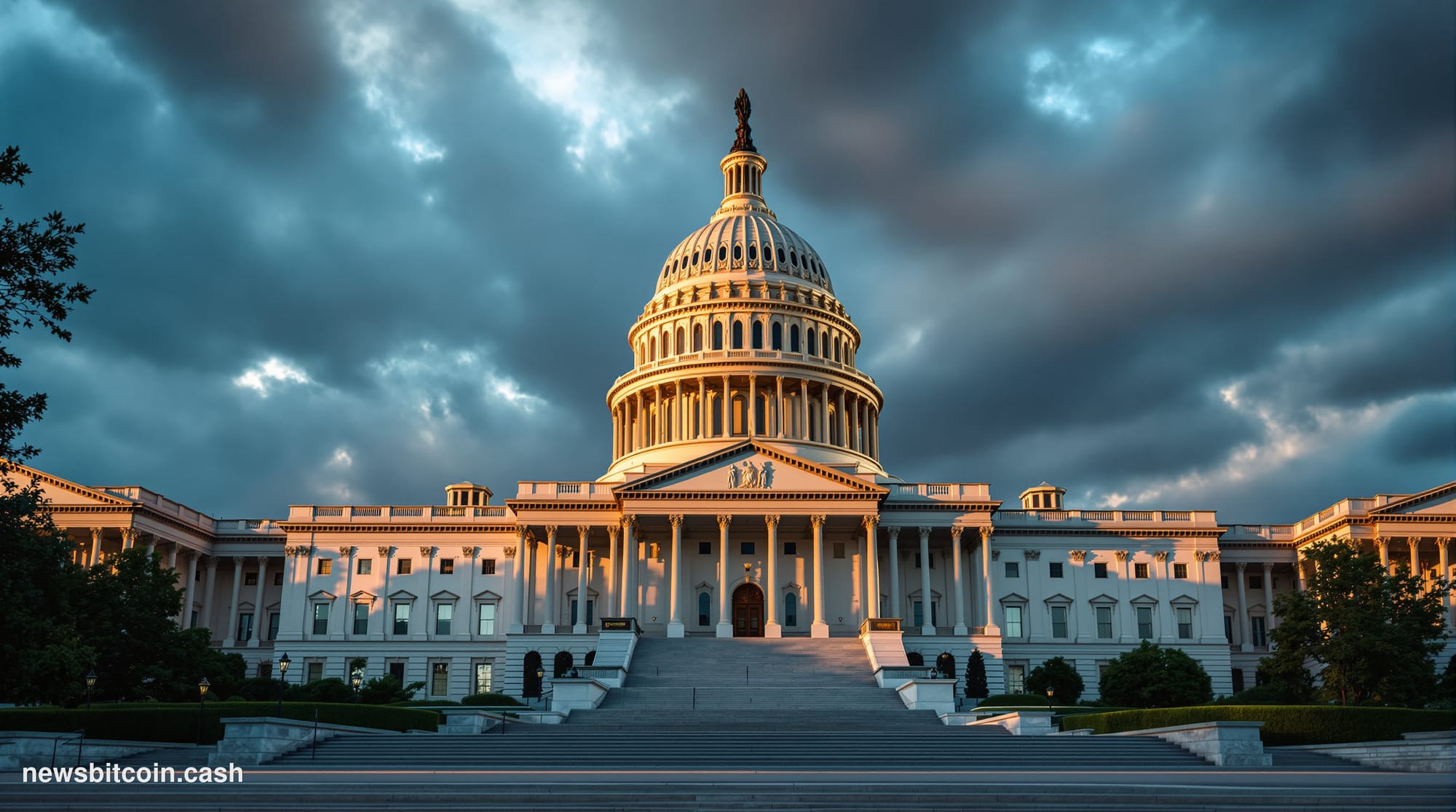
The fractures in America's approach to financial surveillance came into sharp relief this week as lawmakers, industry representatives, and policy experts clashed over the future of the Bank Secrecy Act during a House subcommittee hearing. The 1970-era anti-money laundering framework, originally designed for a simpler financial landscape, now faces mounting pressure for reform even as the Trump administration moves to expand its enforcement reach.
The hearing exposed fundamental disagreements about how extensively to modernize rules that have become increasingly burdensome for financial institutions while potentially hampering innovation in digital assets. Crypto companies, traditional banks, and policy analysts united in their call for Congressional action, but their proposed solutions revealed stark divisions about balancing security concerns with regulatory efficiency.
At the center of the debate lies a regulatory framework that predates the internet, mobile banking, and digital currencies by decades. The Bank Secrecy Act requires financial institutions to maintain detailed records and report suspicious transactions, generating millions of reports annually that critics argue often overwhelm law enforcement agencies with low-value intelligence. For crypto firms, these requirements have created compliance costs that can consume substantial resources while potentially stifling technological advancement.
The timing of the hearing proves particularly significant as the Trump administration simultaneously pursues expanded enforcement of existing BSA provisions. This apparent contradiction—calls for modernization alongside enhanced enforcement of outdated rules—has created uncertainty for financial institutions trying to navigate compliance requirements. Industry representatives argued that current reporting thresholds, established decades ago, fail to account for inflation and technological changes that have transformed how money moves through the global economy.
Traditional banks have found common ground with crypto companies in advocating for reform, though their specific concerns differ substantially. Banks face mounting compliance costs from suspicious activity reporting requirements that generate vast amounts of data, much of which provides limited investigative value. Coinbase and other crypto platforms, meanwhile, argue that applying 1970s-era rules to blockchain-based transactions creates unnecessary friction while failing to address the unique characteristics of digital asset transfers.
Policy experts testifying at the hearing presented competing visions for BSA modernization. Some advocated for comprehensive reform that would raise reporting thresholds, streamline compliance procedures, and create tailored frameworks for emerging technologies. Others warned against weakening anti-money laundering defenses, particularly as cryptocurrencies and other digital payment methods expand their reach into mainstream financial services.
The divide reflects broader tensions about financial privacy, government surveillance, and technological innovation that have intensified as digital assets gain institutional adoption. Law enforcement agencies maintain that current BSA requirements provide crucial intelligence for investigating financial crimes, while industry advocates argue that outdated rules impose disproportionate compliance burdens without corresponding security benefits.
Congressional action on BSA reform faces significant political hurdles, particularly given the administration's apparent preference for expanding rather than scaling back enforcement measures. The hearing revealed that even among reform advocates, consensus remains elusive on fundamental questions about reporting thresholds, compliance timelines, and the appropriate regulatory treatment of different types of digital assets.
The stakes for the crypto industry continue rising as institutional adoption accelerates and regulatory clarity becomes increasingly important for long-term growth. Major crypto platforms have invested heavily in compliance infrastructure designed to meet existing BSA requirements, but uncertainty about future regulatory changes complicates strategic planning and capital allocation decisions.
What emerges from this Congressional hearing is a regulatory system caught between competing imperatives: maintaining financial security while enabling innovation, preserving investigative capabilities while reducing compliance burdens, and updating decades-old rules while avoiding unintended consequences. The crypto industry's integration into traditional finance has made BSA modernization not just a digital asset issue, but a fundamental question about how America's financial system adapts to technological change. As enforcement actions increase under the current administration, the pressure for legislative clarity will likely intensify, making future Congressional hearings critical venues for shaping the intersection of traditional banking, digital assets, and national security priorities.
Written by the editorial team — independent journalism powered by Bitcoin News.