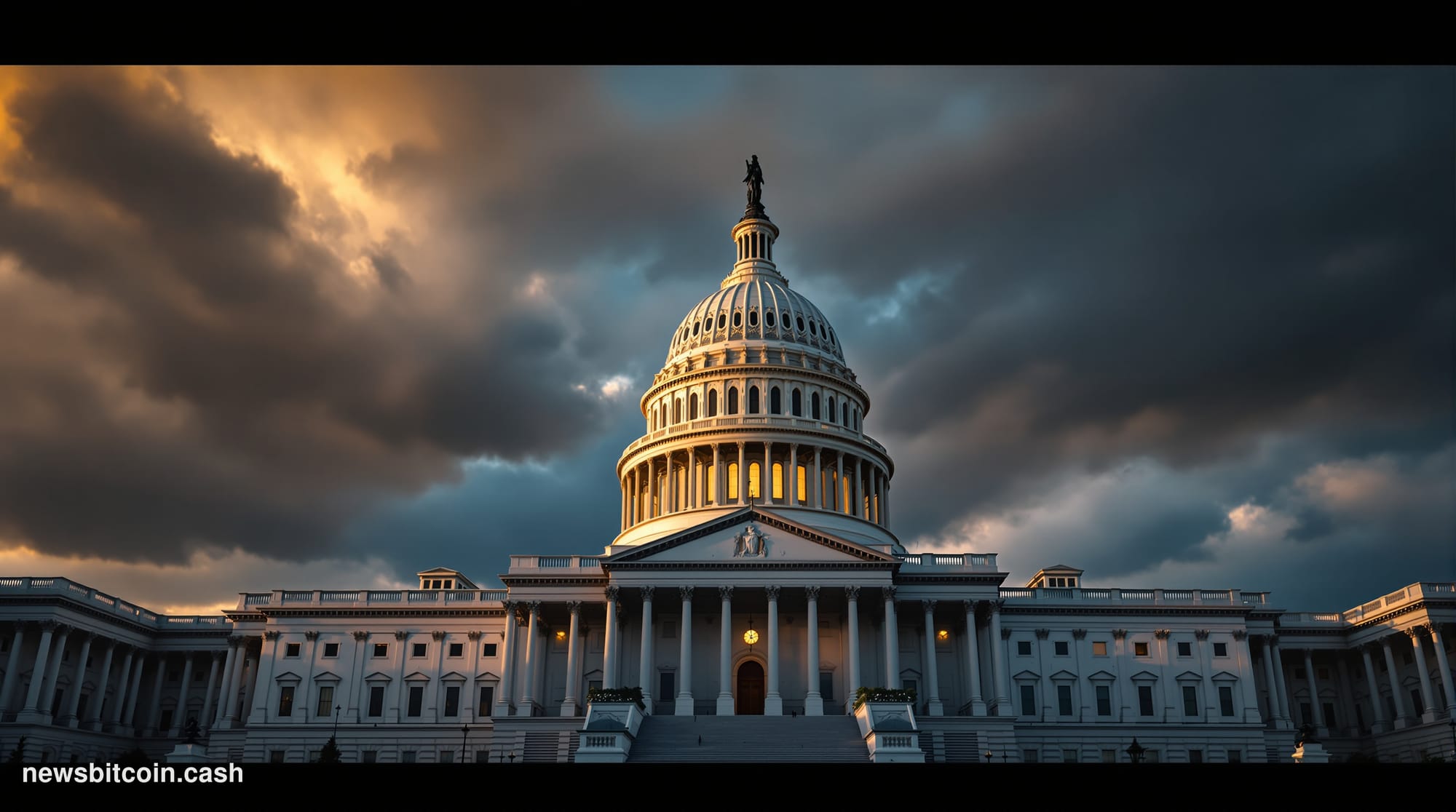
The United States Congress is preparing to tackle one of the most complex regulatory challenges in the digital asset space as the House Ways and Means committee schedules a comprehensive review of draft cryptocurrency tax legislation. This pivotal committee session will examine proposed bills that could fundamentally reshape how Americans interact with blockchain networks, from casual token holders to professional mining operations.
The legislative package under consideration spans the breadth of crypto economic activity, addressing taxation frameworks for staking rewards, mining operations, network transaction fees, and reporting obligations. This comprehensive approach signals Congress's recognition that piecemeal regulatory responses are insufficient for the interconnected nature of blockchain ecosystems. The Ways and Means committee, which holds primary jurisdiction over federal tax policy, represents the most authoritative venue for establishing these precedents.
The inclusion of staking taxation in the draft bills addresses a particularly thorny issue that has plagued crypto users since proof-of-stake networks gained prominence. Current tax guidance treats staking rewards as ordinary income at the time of receipt, creating accounting nightmares for validators and delegators who may receive dozens of small payments daily. The proposed legislation could establish clearer frameworks for when these rewards become taxable events, potentially reducing compliance burdens for the millions of Americans participating in networks like Ethereum's consensus mechanism.
Mining taxation represents another critical area where regulatory clarity could unlock significant economic activity. Professional mining operations face complex questions about equipment depreciation, electricity costs, and the timing of income recognition when newly minted coins are received. The draft bills under review could establish standardized approaches that reduce uncertainty for an industry that has become increasingly sophisticated, with publicly traded companies now operating large-scale facilities across multiple states.
Network fee taxation provisions in the legislation could have far-reaching implications for everyday crypto users. Currently, the tax treatment of gas fees paid to process transactions remains ambiguous, creating potential complications for traders and developers who interact frequently with blockchain networks. Clear guidance on whether these fees represent deductible expenses or capital cost basis adjustments could significantly impact the practical economics of decentralized finance participation.
The reporting requirements component of the draft bills likely addresses information reporting obligations for crypto exchanges, wallets, and other service providers. This aligns with broader efforts to bring cryptocurrency taxation into parity with traditional financial instruments, where brokers are required to report customer transactions to tax authorities. Such requirements could automate much of the compliance burden currently shouldering individual taxpayers while providing the Internal Revenue Service with better visibility into crypto market activity.
The timing of this congressional review reflects the maturation of cryptocurrency markets and their integration into mainstream finance. With institutional adoption accelerating and retail participation expanding, the existing patchwork of tax guidance has become increasingly inadequate for a sector that now represents trillions of dollars in market capitalization. The Ways and Means committee's attention to these issues suggests bipartisan recognition that clear tax frameworks are essential for continued innovation and economic growth in the digital asset space.
What emerges from these congressional deliberations will likely influence cryptocurrency adoption patterns, business formation decisions, and technology development priorities for years to come. Clear, workable tax rules could remove significant barriers to mainstream crypto integration, while overly complex or punitive frameworks could drive innovation offshore. The committee's review of these draft bills represents a crucial inflection point for American cryptocurrency policy, with implications extending far beyond tax compliance to the fundamental question of how blockchain technologies will integrate into the broader financial system.
Written by the editorial team — independent journalism powered by Bitcoin News.