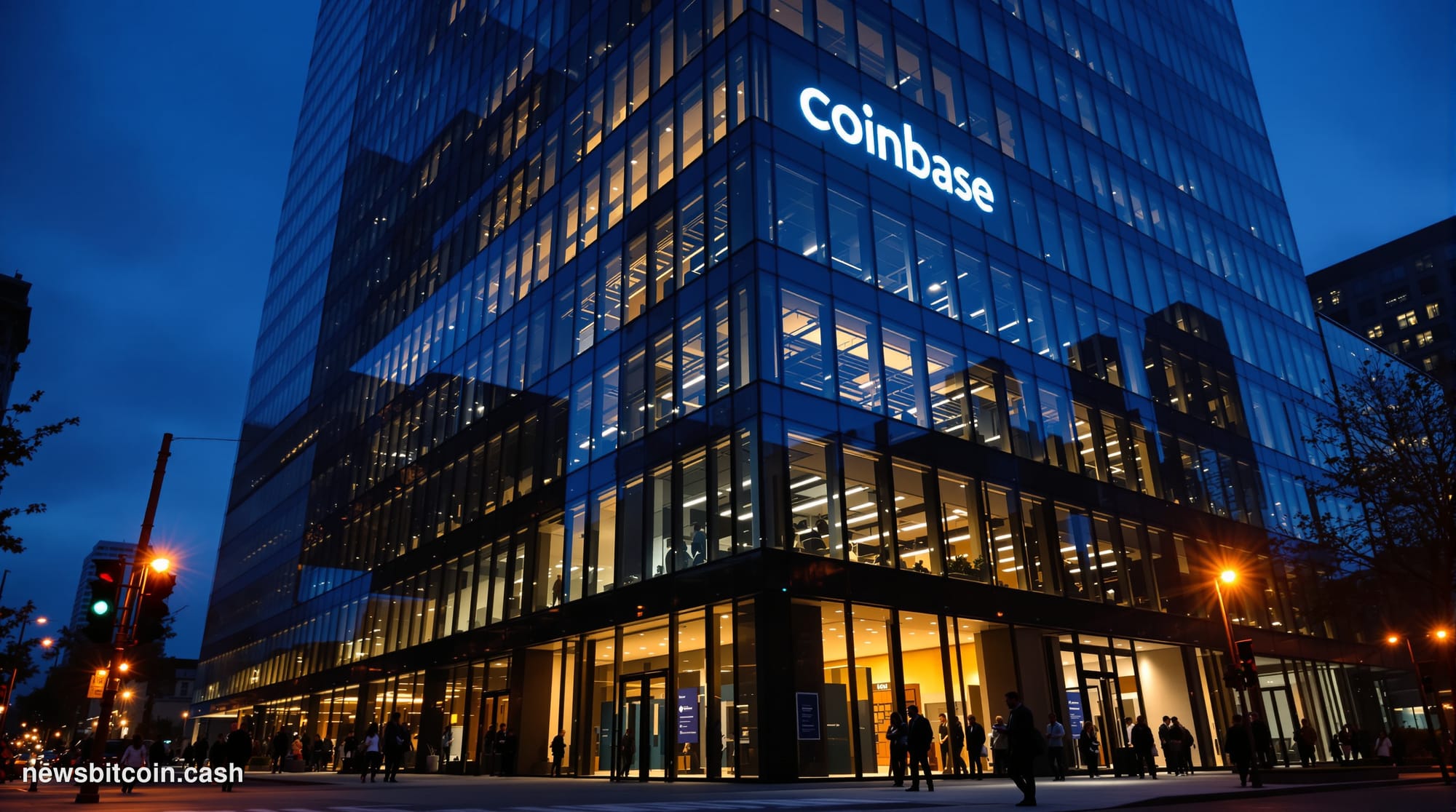
The cryptocurrency industry's reliance on traditional cloud infrastructure came under sharp focus Thursday evening when Coinbase users experienced trading disruptions following an overheating incident at an Amazon Web Services (AWS) data center in Northern Virginia. The outage, which the exchange flagged around 6 p.m. Pacific time, serves as a stark reminder of how deeply crypto platforms depend on the same centralized infrastructure that the industry often seeks to replace.
Coinbase characterized the incident as causing "degraded performance" for some users, though the exchange was quick to reassure customers that their funds remained secure throughout the disruption. The timing and scope of the outage underscore a fundamental tension within the cryptocurrency ecosystem: while digital assets promise decentralization and independence from traditional financial systems, the platforms facilitating their trade remain vulnerable to the same infrastructure bottlenecks that plague conventional technology services.
The AWS Dependency Problem
The Northern Virginia data center that experienced the overheating issue represents one of AWS's most critical facilities, serving as a backbone for countless internet services across the United States. When such facilities face operational challenges, the ripple effects extend far beyond their immediate geographic boundaries, affecting platforms and services that users might assume operate independently. For Coinbase, which processes billions of dollars in daily trading volume, any infrastructure disruption directly impacts market access for millions of retail and institutional traders.
This incident highlights a broader architectural challenge facing the cryptocurrency industry. Despite the decentralized nature of blockchain networks themselves, the access points through which most users interact with these networks remain highly centralized. Major exchanges like Coinbase, Binance, and Kraken typically rely on cloud service providers for their core infrastructure, creating single points of failure that can cascade across the entire ecosystem.
Market Impact and User Experience
The degraded performance experienced by Coinbase users likely manifested in slower order execution, delayed balance updates, and potentially failed transactions during peak trading periods. Such disruptions can be particularly costly in volatile market conditions, where timing often determines the difference between profit and loss for active traders. While Coinbase maintained that funds remained safe, the inability to execute trades efficiently represents a significant service failure for users who depend on the platform for market access.
The incident also raises questions about redundancy and disaster recovery planning within major cryptocurrency platforms. As the industry matures and attracts increasing institutional participation, the tolerance for infrastructure-related outages continues to diminish. Pension funds, hedge funds, and other institutional investors expect the same level of reliability from crypto platforms that they receive from traditional financial infrastructure.
Infrastructure Resilience Challenges
The overheating issue at the AWS facility points to the physical realities underlying cloud computing services. Data centers require massive cooling systems to maintain optimal operating temperatures for their server equipment, and when these systems fail or become overwhelmed, entire facilities can experience degraded performance or complete outages. Climate change and increasingly extreme weather patterns add additional stress to these cooling requirements, potentially making such incidents more frequent in the future.
For cryptocurrency platforms, this creates a complex risk management challenge. While diversifying across multiple cloud providers can reduce dependency on any single service, it also increases operational complexity and costs. Many platforms must balance the desire for infrastructure resilience against the practical constraints of budget and technical capability.
Looking Beyond Traditional Cloud Models
This outage may accelerate interest in alternative infrastructure approaches within the cryptocurrency industry. Some platforms are exploring distributed computing models that align more closely with the decentralized ethos of blockchain technology. Others are investigating hybrid approaches that combine traditional cloud services with edge computing and peer-to-peer infrastructure elements.
The incident also highlights the growing importance of status communication during outages. Coinbase's prompt acknowledgment of the issue and reassurance about fund safety represents current best practices, but users increasingly expect real-time updates and detailed explanations of service disruptions. Transparency during outages has become a key differentiator in user experience and trust building.
As cryptocurrency trading becomes increasingly mainstream, incidents like Thursday's AWS-related outage serve as important learning opportunities for the entire industry. The path toward truly resilient infrastructure will likely require a combination of improved traditional cloud architectures and innovative decentralized alternatives that can provide the reliability that modern financial services demand.
Written by the editorial team — independent journalism powered by Bitcoin News.