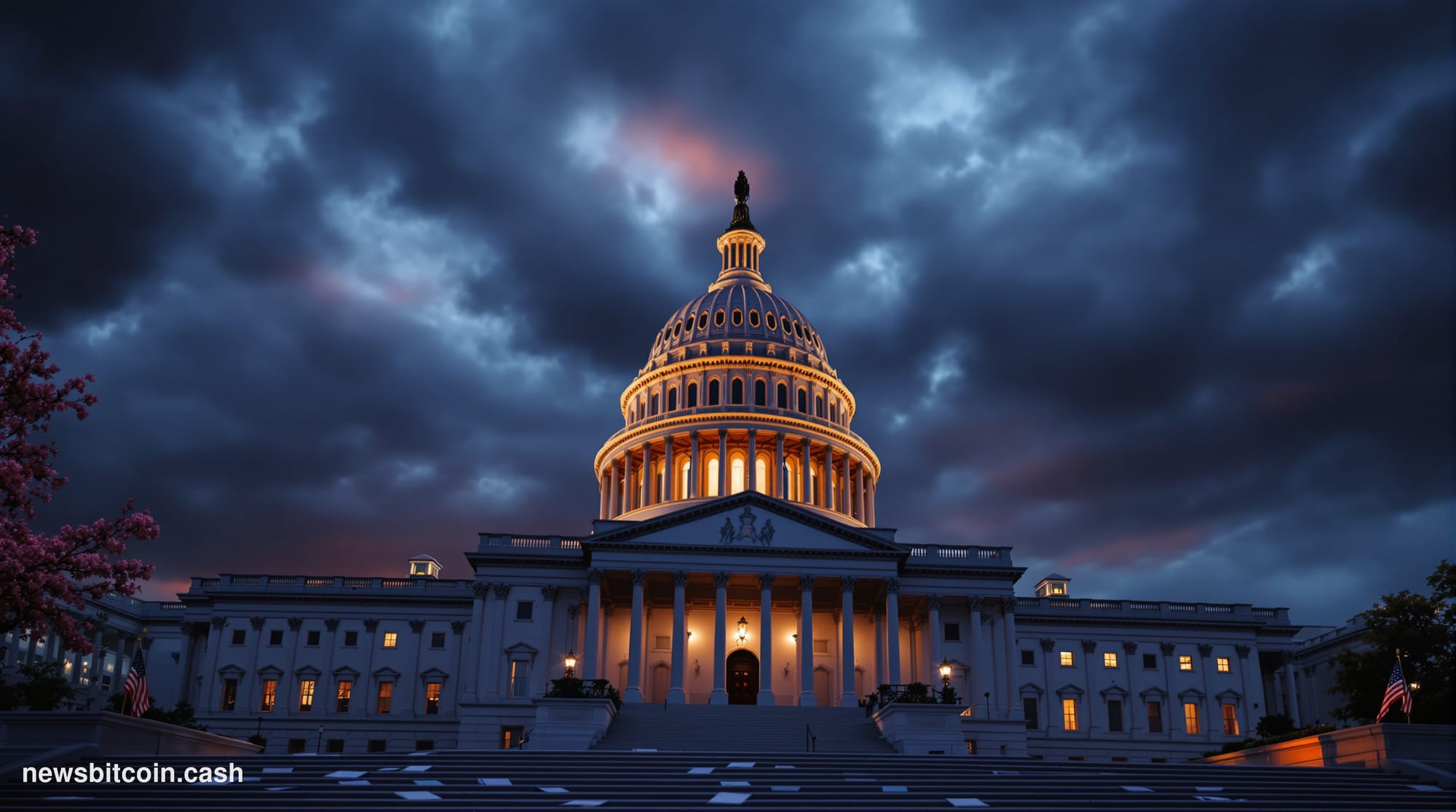
Congressional momentum behind the CLARITY Act has stalled as lawmakers face mounting logistical hurdles that make passage by the July 4 Independence Day deadline increasingly unlikely. The delay threatens to extend regulatory uncertainty that has plagued the cryptocurrency industry for years, potentially dampening investor confidence just as digital assets seek broader institutional adoption.
The Comprehensive Legal Infrastructure for Digital Assets (CLARITY) Act represents one of the most significant attempts to establish clear regulatory frameworks for cryptocurrency operations in the United States. Originally positioned as a landmark piece of legislation that could resolve the jurisdictional confusion between the Securities and Exchange Commission and the Commodity Futures Trading Commission, the bill's delay signals deeper structural challenges in Washington's approach to digital asset regulation.
Logistical issues blocking the bill's progress reflect the complex web of competing interests that have long characterized crypto policymaking. Congressional sources suggest that reconciling various amendments, coordinating committee schedules, and addressing last-minute concerns from industry stakeholders have created bottlenecks that make the July 4 target untenable. These procedural challenges underscore how even bipartisan legislation can become mired in the machinery of federal lawmaking.
The timing of this delay carries particular significance for the broader crypto ecosystem. Markets have been anticipating clearer regulatory guidelines as institutional investors increasingly seek defined compliance pathways for digital asset investments. Major exchanges like Coinbase and traditional financial institutions exploring crypto custody services have repeatedly cited regulatory clarity as a prerequisite for expanded operations.
Industry participants have grown accustomed to regulatory uncertainty, but the CLARITY Act represented a potential inflection point where definitive rules might finally emerge. The bill's provisions addressing token classification, custody requirements, and trading platform oversight could establish the foundation for a mature regulatory environment that supports both innovation and consumer protection.
Beyond immediate market implications, the delay highlights fundamental tensions in how Congress approaches emerging technology regulation. The cryptocurrency sector has evolved rapidly while regulatory frameworks have struggled to keep pace, creating an environment where enforcement actions often serve as de facto policymaking. This dynamic has contributed to a climate where compliance strategies remain fluid and legal precedents emerge through litigation rather than legislative clarity.
The postponement also raises questions about political priorities as lawmakers balance crypto regulation against other pressing legislative initiatives. While digital asset policy has gained bipartisan support, competing demands for congressional attention during a packed legislative calendar may relegate crypto issues to secondary status despite their growing economic importance.
Market participants now face an extended period of regulatory limbo that could influence strategic decisions across the industry. Investment flows, product launches, and business expansion plans that had been calibrated around anticipated July regulatory clarity may require recalibration. The uncertainty particularly affects companies operating in gray areas where regulatory interpretation remains contested.
What This Means
The CLARITY Act's delay beyond July 4 represents more than a procedural setback—it signals that comprehensive crypto regulation will require sustained political commitment that transcends electoral cycles and competing legislative priorities. While the bill's eventual passage remains likely, the extended timeline reinforces that regulatory certainty will continue to emerge incrementally rather than through sweeping reform. This reality demands that industry participants maintain adaptive compliance strategies while policymakers grapple with balancing innovation incentives against traditional financial oversight frameworks. The crypto sector's maturation will ultimately depend on navigating this prolonged regulatory development process rather than waiting for definitive legislative solutions.
Written by the editorial team — independent journalism powered by Bitcoin News.