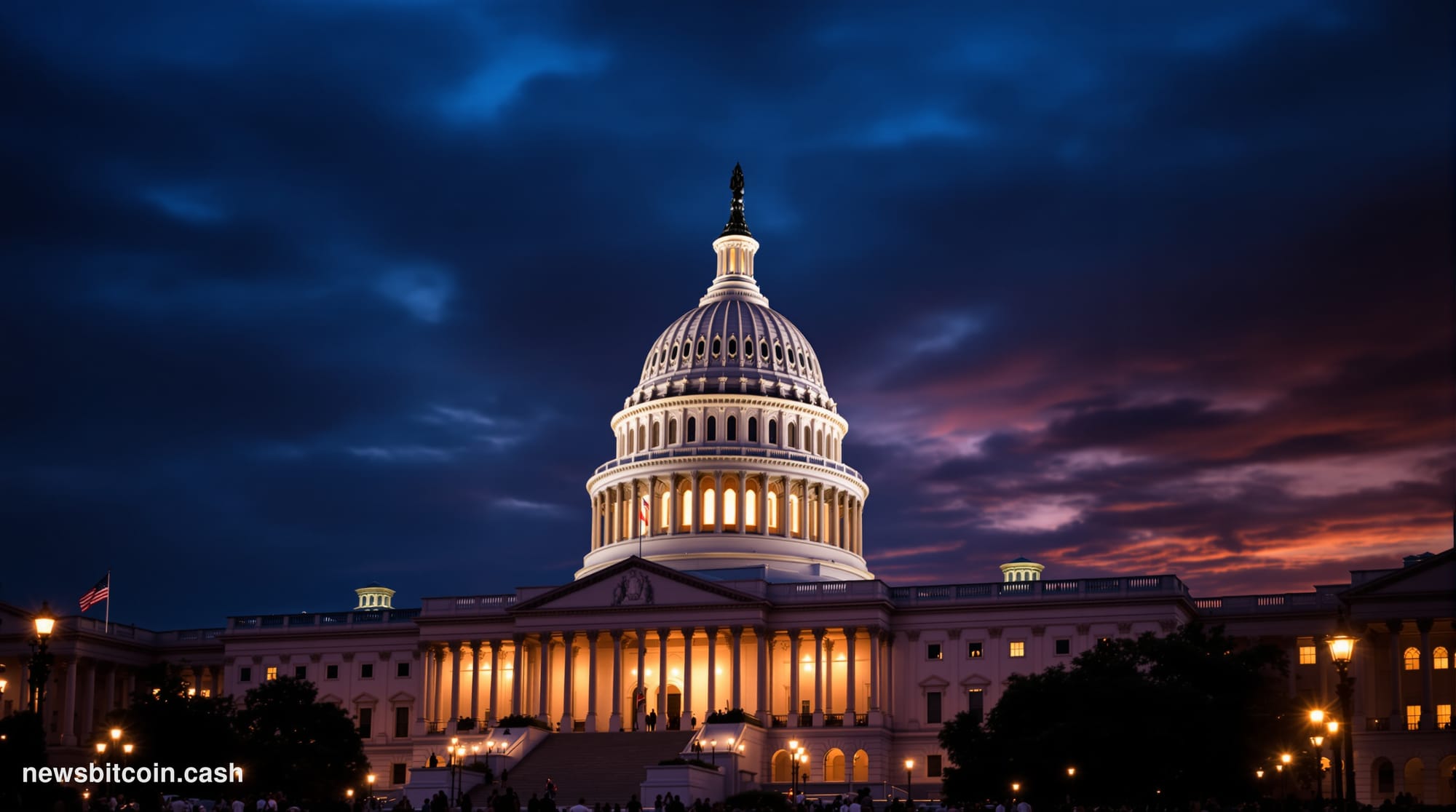
The United States stands at a regulatory crossroads as lawmakers face an increasingly tight timeline to resolve critical issues surrounding the CLARITY Act before its July 4 deadline. With less than three weeks remaining, the legislative push represents one of the most significant attempts to establish comprehensive cryptocurrency regulation in American history, carrying implications that extend far beyond domestic markets.
The CLARITY Act's potential passage would fundamentally redefine the regulatory landscape for digital assets in the United States, addressing years of uncertainty that have plagued the industry. This legislation arrives at a crucial moment when regulatory clarity has become not just a domestic imperative but a matter of international competitive positioning. The framework established by this Act could determine whether the United States maintains its leadership in financial innovation or cedes ground to more crypto-friendly jurisdictions.
The global competitiveness implications cannot be overstated. As other nations advance their digital asset frameworks—from the European Union's Markets in Crypto-Assets (MiCA) regulation to progressive approaches in jurisdictions like Switzerland and Singapore—the United States risks falling behind in attracting crypto innovation and investment. The CLARITY Act represents Congress's recognition that regulatory uncertainty has become a competitive disadvantage, driving blockchain companies and digital asset projects to establish operations overseas.
Investor protection concerns form another critical dimension of the legislative debate. The Act's provisions would establish clearer guidelines for digital asset offerings, trading platforms, and custody services, potentially reducing the regulatory ambiguity that has left retail and institutional investors navigating a complex patchwork of enforcement actions and guidance documents. The Securities and Exchange Commission's enforcement-first approach has created an environment where companies often discover compliance requirements only after facing regulatory action.
The ethical debates surrounding the legislation reflect deeper tensions within the cryptocurrency ecosystem. Privacy advocates worry about surveillance implications of enhanced reporting requirements, while consumer protection groups push for stronger safeguards against fraud and market manipulation. These competing interests have created a complex negotiating environment where lawmakers must balance innovation with protection, decentralization with oversight.
The July 4 deadline adds urgency to an already complex legislative process. Congressional schedules and the approaching Independence Day recess create natural pressure points that could either accelerate compromise or force postponement. The symbolism of passing transformative crypto legislation on Independence Day would not be lost on an industry that has long championed financial sovereignty and technological freedom.
Major cryptocurrency exchanges and blockchain companies have been actively lobbying for the Act's passage, viewing regulatory clarity as essential for long-term growth and institutional adoption. Coinbase and other publicly traded crypto companies have particularly emphasized how regulatory uncertainty affects their ability to expand services and attract traditional finance partnerships.
The technical complexities of cryptocurrency regulation present ongoing challenges for lawmakers, many of whom are still developing familiarity with blockchain technology and its implications. The CLARITY Act's success will depend partly on whether Congress can craft legislation that remains technologically relevant as the digital asset landscape continues evolving rapidly.
As the deadline approaches, the stakes extend beyond immediate regulatory concerns to fundamental questions about America's role in the global digital economy. The CLARITY Act represents more than cryptocurrency regulation—it's a statement about whether the United States will lead or follow in defining the rules for digital finance. The outcome of these final weeks of negotiations will influence not only domestic crypto markets but also international regulatory coordination and the broader trajectory of blockchain innovation. With global competitors advancing their own frameworks, the window for American leadership in crypto regulation may be narrowing, making the next three weeks crucial for the industry's future.
Written by the editorial team — independent journalism powered by Bitcoin News.