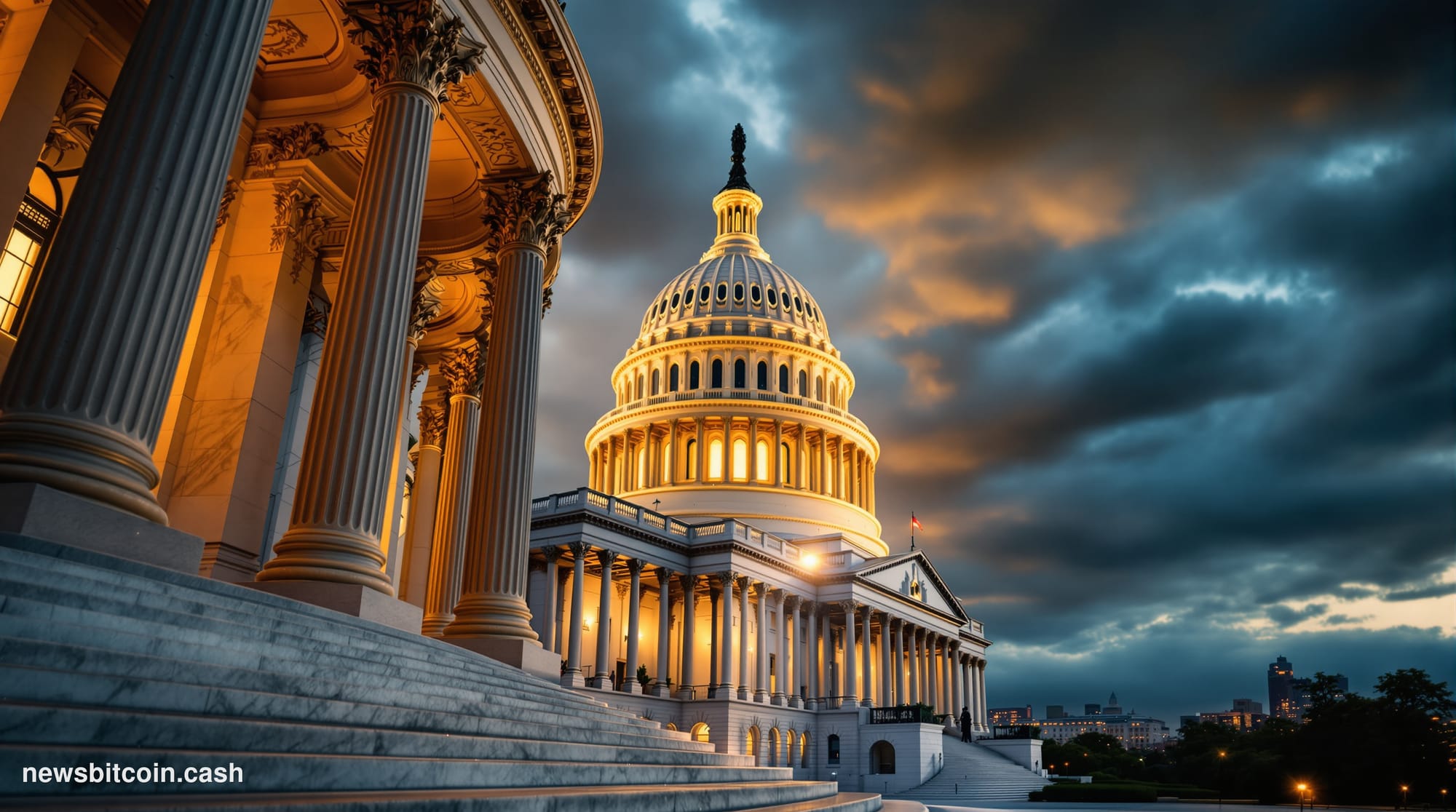
The cryptocurrency industry reached a watershed moment as the Digital Asset Clarity Act advanced through the Senate Banking Committee, triggering a 10% surge across crypto markets and signaling that comprehensive federal regulation may finally be within reach. The legislative breakthrough represents years of industry advocacy culminating in concrete congressional action on one of the sector's most pressing challenges.
The Coinbase-backed legislation, which had previously cleared the House, now faces its most significant hurdle in the Senate where crypto policy has historically stalled amid partisan gridlock. The Banking Committee's approval demonstrates growing bipartisan recognition that the United States cannot afford to remain on the regulatory sidelines while digital assets reshape global finance.
Market participants responded with immediate enthusiasm, driving Bitcoin, Ethereum, and broader altcoin indices higher as institutional investors interpreted the committee vote as validation of crypto's inevitable integration into traditional financial systems. The 10% rally reflects more than speculative optimism—it represents genuine relief that regulatory uncertainty, long cited as the primary barrier to institutional adoption, may finally be addressed through legislative rather than enforcement action.
The CLARITY Act's progression through Congress marks a fundamental shift in Washington's approach to digital assets. Rather than relying on piecemeal guidance from agencies like the Securities and Exchange Commission or Commodity Futures Trading Commission, lawmakers are crafting comprehensive framework legislation that could establish clear boundaries between securities and commodities in the digital realm. This distinction has proven crucial for exchanges, market makers, and institutional custody providers attempting to navigate overlapping and often contradictory regulatory interpretations.
Industry executives have long argued that regulatory clarity would unlock trillions in institutional capital currently sitting on the sidelines. Major financial institutions from JPMorgan Chase to Visa have expressed willingness to expand crypto operations once clear compliance frameworks emerge. The Senate Banking Committee's action suggests these institutions may soon have the certainty they've demanded.
The legislative momentum also coincides with increasing global competition for crypto innovation leadership. While the United States has struggled with regulatory fragmentation, jurisdictions like the European Union have advanced comprehensive digital asset frameworks through initiatives like the Markets in Crypto-Assets regulation. The CLARITY Act represents America's attempt to reclaim leadership in setting global standards for digital asset oversight.
However, significant challenges remain before the legislation reaches President Biden's desk. Senate floor dynamics often prove more complex than committee votes, particularly for emerging technology issues that intersect with broader economic policy debates. The crypto industry's recent lobbying efforts have focused heavily on educating lawmakers about blockchain technology's potential while addressing concerns about consumer protection and financial stability.
The timing of this breakthrough reflects crypto's evolution from experimental technology to essential financial infrastructure. With traditional asset managers like BlackRock launching Bitcoin exchange-traded funds and major corporations adding digital assets to treasury holdings, regulatory clarity has become an economic necessity rather than industry preference. The Senate Banking Committee's recognition of this reality signals a maturation of both the technology and policy landscape surrounding digital assets.
The 10% market surge following the committee vote demonstrates that crypto markets remain acutely sensitive to regulatory developments, but also suggests growing confidence that the United States will ultimately embrace rather than restrict digital asset innovation. As the CLARITY Act moves toward full Senate consideration, the cryptocurrency industry finds itself closer than ever to achieving the regulatory framework that could unlock its next phase of mainstream adoption and institutional integration.
Written by the editorial team — independent journalism powered by Bitcoin News.