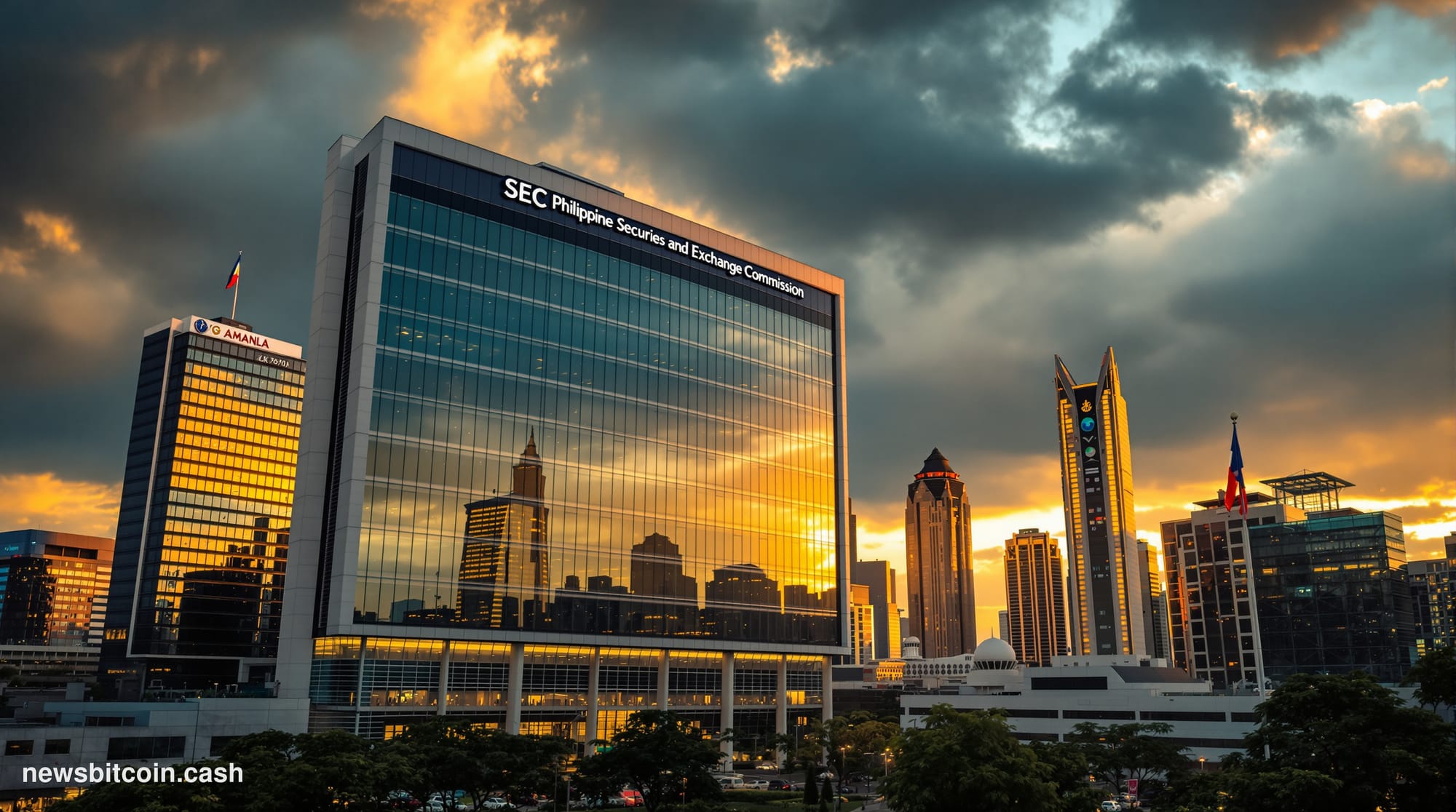
The world's largest cryptocurrency exchange is making a calculated return to one of Southeast Asia's most promising digital asset markets. Binance has announced a strategic partnership with BlockShoals to re-enter the Philippine market through a regulatory sandbox operated by the country's Securities and Exchange Commission, marking a significant shift toward compliance-first market entry strategies.
This partnership represents more than a simple market expansion—it signals a fundamental evolution in how global crypto platforms approach emerging markets with complex regulatory landscapes. The Philippines has emerged as a critical battleground for cryptocurrency adoption in Southeast Asia, with its large remittance economy and tech-savvy population creating natural demand for digital financial services. However, the market has also proven challenging for international exchanges seeking to navigate local compliance requirements.
The regulatory sandbox framework offers both opportunities and constraints for Binance's Philippine operations. While the sandbox provides a controlled environment for testing innovative financial products under relaxed regulatory requirements, it also means the exchange's activities will remain provisional and subject to ongoing regulatory oversight. This approach allows Philippine regulators to monitor the impact of cryptocurrency trading services while maintaining protective measures for local investors.
BlockShoals emerges as a strategic local partner in this arrangement, though the specific terms of the collaboration and the scope of services to be offered remain unclear. Local partnerships have become increasingly common for international crypto exchanges seeking to enter regulated markets, as they provide crucial regulatory knowledge and established relationships with local authorities. The partnership structure suggests Binance is prioritizing sustainable market access over rapid expansion.
The timing of this re-entry is particularly significant given the broader regulatory environment across Southeast Asia. Regional governments have been implementing increasingly sophisticated frameworks for cryptocurrency oversight, moving beyond outright bans toward nuanced regulatory approaches that attempt to capture the benefits of digital asset innovation while managing associated risks. The Philippines has positioned itself as relatively crypto-friendly compared to some regional peers, but has maintained strict oversight requirements.
For Philippine investors, this development could enhance access to cryptocurrency trading services while maintaining regulatory protections. The sandbox framework theoretically provides safeguards against the types of consumer protection issues that have plagued unregulated crypto platforms. However, the provisional nature of sandbox operations means services could be modified or discontinued based on regulatory assessments.
The broader implications extend beyond the Philippine market itself. Binance's willingness to operate within regulatory sandbox constraints demonstrates how compliance considerations are reshaping international expansion strategies for major crypto platforms. This approach contrasts sharply with the industry's earlier emphasis on regulatory arbitrage and jurisdictional shopping.
What this means for the cryptocurrency industry is a continued shift toward regulatory accommodation rather than resistance. Major platforms are increasingly recognizing that sustainable growth requires working within existing financial regulatory frameworks, even when those frameworks impose operational limitations. The Philippine partnership may serve as a template for similar arrangements across other emerging markets where regulatory clarity remains limited but sandbox mechanisms exist. Success in this controlled environment could pave the way for broader market access, while failure could inform regulatory approaches across the region.
Written by the editorial team — independent journalism powered by Bitcoin News.