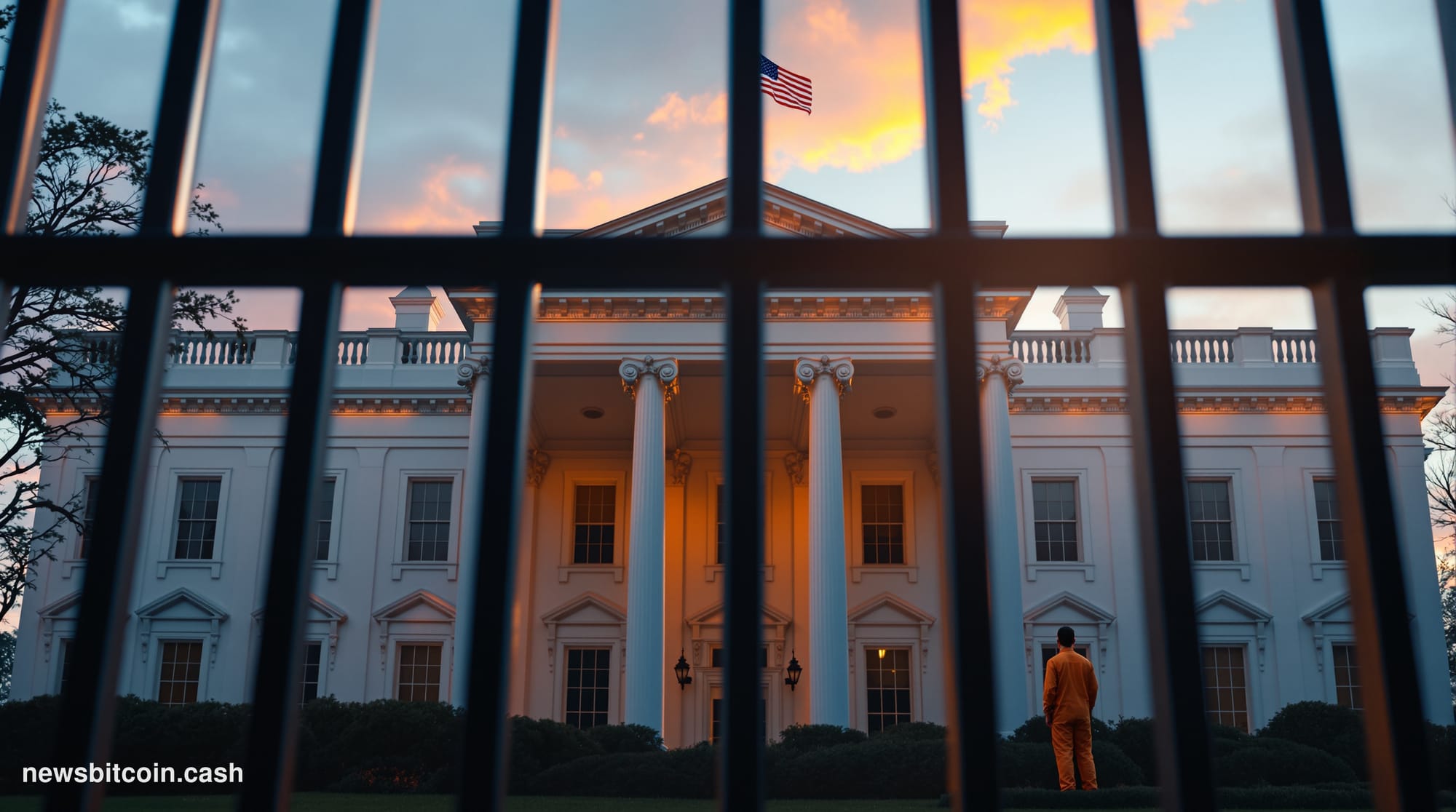
The cryptocurrency industry's most notorious collapse continues to generate headlines as FTX founder Sam Bankman-Fried formally petitioned President Donald Trump for clemency, despite the commander-in-chief's public rejection of any pardon consideration. The move represents a desperate legal gambit by the convicted crypto executive, who exhausted traditional appeals and now seeks executive intervention in what became the industry's largest fraud case.
Bankman-Fried's clemency petition arrives at a moment when the intersection of cryptocurrency regulation and presidential politics has never been more pronounced. Trump, who campaigned on crypto-friendly policies and appointed industry advocates to key regulatory positions, draws a sharp distinction between supporting digital asset innovation and excusing criminal conduct that damaged the sector's reputation. The president's prior public statements rejecting clemency for the FTX founder signal that this petition faces insurmountable political obstacles.
The timing of this clemency request underscores the limited options remaining for Bankman-Fried's legal team. Presidential pardons represent one of the few mechanisms available to convicted federal defendants who have exhausted their appeals process. However, the political calculus surrounding white-collar financial crimes, particularly those involving emerging technologies like cryptocurrency, creates complex considerations for any administration weighing clemency decisions.
Trump's rejection of pardoning Bankman-Fried reflects broader strategic considerations about the cryptocurrency industry's legitimacy. The administration's efforts to position the United States as a global leader in digital asset innovation depend partially on distancing legitimate blockchain development from the fraudulent activities that characterized FTX's collapse. Granting clemency to Bankman-Fried could undermine regulatory credibility and send conflicting signals about accountability in the digital asset sector.
The formal filing of this clemency petition also highlights the continuing legal and reputational challenges facing the cryptocurrency industry. Bankman-Fried's conviction represented a watershed moment for digital asset regulation, demonstrating that traditional fraud statutes apply fully to cryptocurrency-based businesses. His attempt to secure presidential intervention now tests whether political considerations might override judicial determinations in high-profile crypto cases.
Beyond the immediate legal implications, this clemency request illuminates the ongoing tensions between innovation advocacy and consumer protection in cryptocurrency policy. The Trump administration's pro-crypto stance aims to foster technological development and maintain American competitiveness in digital assets, but supporting criminal defendants could complicate these policy objectives. The president's public rejection of clemency for Bankman-Fried suggests recognition of these competing priorities.
The cryptocurrency industry itself largely distanced itself from Bankman-Fried following FTX's collapse, viewing his conviction as necessary for restoring trust in digital asset markets. Industry leaders consistently argued that legitimate cryptocurrency businesses operate transparently and comply with existing financial regulations, contrasting their operations with the alleged misconduct at FTX. A presidential pardon could reignite debates about whether the sector adequately polices itself.
What this development ultimately demonstrates is the maturation of cryptocurrency's relationship with traditional legal and political institutions. Bankman-Fried's clemency petition, filed despite Trump's public opposition, represents both the desperation of a convicted defendant and the normalization of crypto-related legal proceedings within established judicial frameworks. The cryptocurrency industry no longer operates in regulatory gray areas where political connections might substitute for legal compliance. This clemency request, likely doomed by presidential opposition and political realities, serves as a final chapter in a case that fundamentally altered how both regulators and industry participants approach digital asset governance.
Written by the editorial team — independent journalism powered by Bitcoin News.