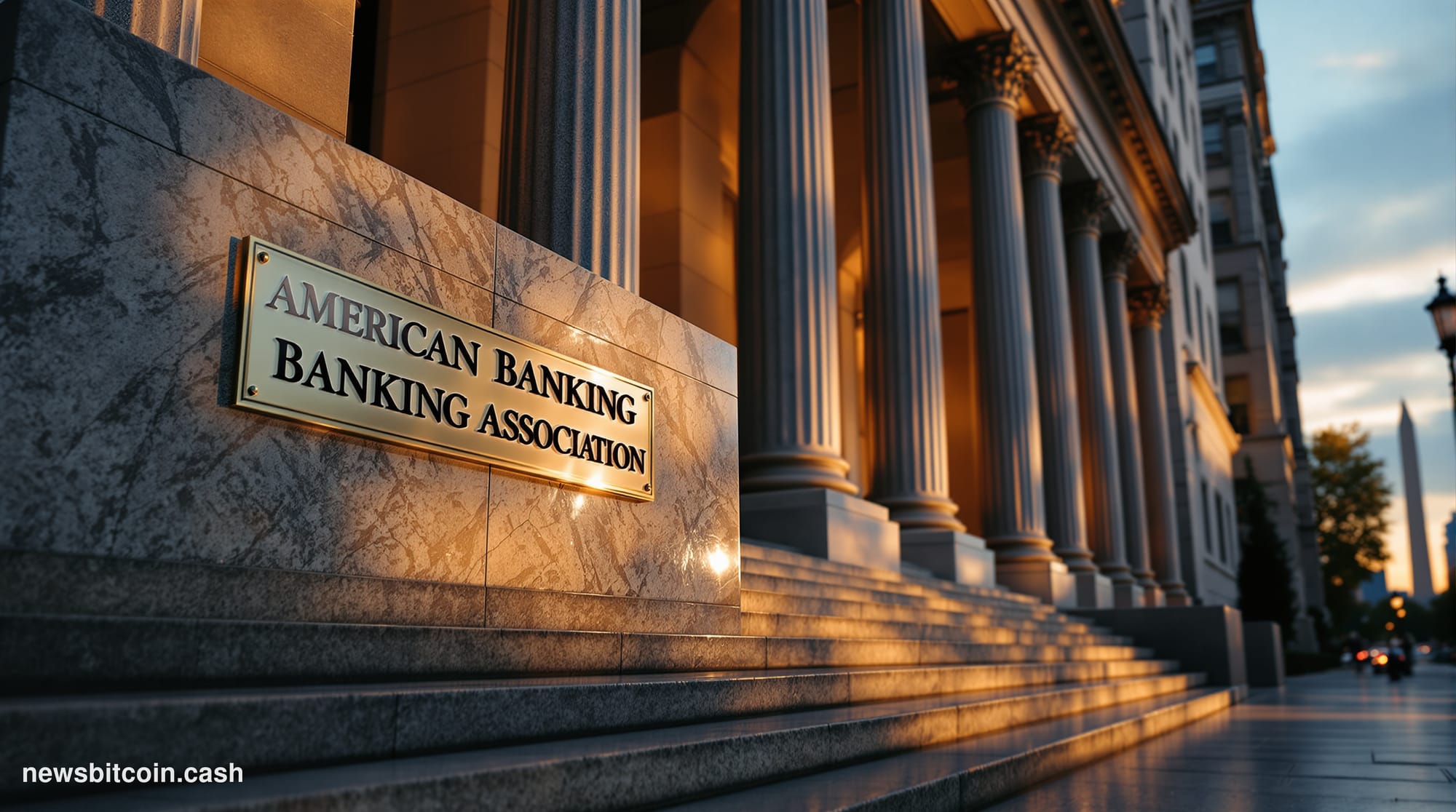
The banking industry has emerged as an unlikely advocate for stricter stablecoin oversight, with major trade groups calling for expanded anti-money laundering regulations that would encompass secondary market trading activities. This development marks a significant shift in the regulatory conversation around digital dollar alternatives, as traditional financial institutions push for comprehensive rules that could reshape how stablecoins operate across all market segments.
Banking industry trade groups are arguing that current anti-money laundering (AML) frameworks should prioritize higher-risk activities while simultaneously addressing what they characterize as critical gaps in stablecoin secondary market oversight. The position represents a nuanced approach that acknowledges the growing importance of stablecoins in the financial ecosystem while advocating for risk-based regulatory structures.
The focus on secondary markets reveals a sophisticated understanding of how stablecoins function in practice. While primary issuance and redemption of stablecoins like Tether (USDT) and Circle's USD Coin (USDC) occur through regulated channels, secondary market trading happens across countless decentralized exchanges, peer-to-peer platforms, and automated market makers. These venues often operate with minimal know-your-customer requirements, creating potential blind spots for compliance officers.
The banking sector's advocacy for expanded stablecoin regulations reflects broader institutional concerns about competitive positioning and risk management. Traditional banks face stringent AML requirements for all customer transactions, including detailed reporting obligations and suspicious activity monitoring. As stablecoins gain market share in payments and remittances, banks argue that equivalent digital assets should operate under comparable oversight frameworks.
Risk-Based Regulatory Framework
The trade groups' emphasis on risk-based AML enforcement suggests a departure from blanket regulatory approaches toward more targeted oversight mechanisms. This framework would theoretically allow lower-risk stablecoin activities to operate with reduced compliance burdens while subjecting higher-risk transactions to enhanced scrutiny. Such an approach could facilitate legitimate commerce while maintaining regulatory effectiveness in combating illicit finance.
Secondary market gaps present particular challenges for regulators and compliance professionals. Unlike centralized exchanges such as Coinbase or Kraken, which implement comprehensive AML programs, decentralized trading venues often lack clear jurisdictional boundaries or identifiable operators. This regulatory ambiguity creates potential avenues for money laundering and sanctions evasion that traditional banking oversight mechanisms cannot easily address.
The timing of these recommendations coincides with increasing regulatory attention on stablecoins globally. European markets are implementing the Markets in Crypto-Assets (MiCA) regulation, which establishes comprehensive stablecoin frameworks, while US regulators continue developing domestic oversight structures. Banking industry input could significantly influence the scope and implementation of these emerging regulatory regimes.
The practical implications of expanded AML requirements for stablecoin secondary markets remain complex. Implementation would likely require new technological solutions for transaction monitoring across decentralized protocols, potentially involving blockchain analytics firms and enhanced reporting mechanisms. Such requirements could fundamentally alter how decentralized finance protocols integrate stablecoins into their operations.
This regulatory push represents more than compliance advocacy—it signals the banking industry's recognition that stablecoins have achieved systemic importance in global finance. Rather than opposing digital asset innovation, major banking trade groups are positioning themselves as stakeholders in shaping responsible oversight frameworks that could ultimately legitimize stablecoins as mainstream financial infrastructure while preserving traditional banking's regulatory advantages.
Written by the editorial team — independent journalism powered by Bitcoin News.