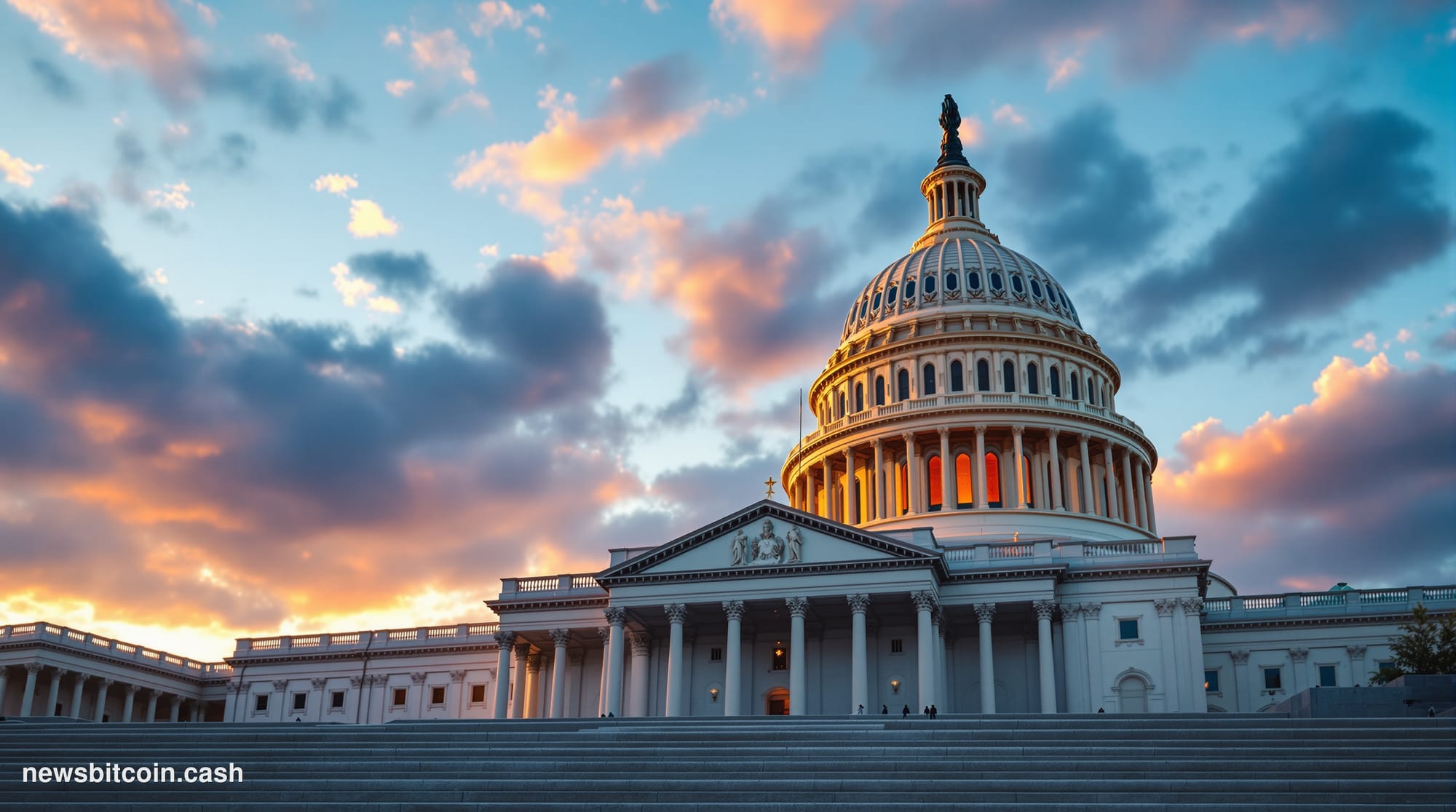
The legislative push for a strategic Bitcoin reserve gained significant momentum today as Alaska Republican Representative Nick Begich introduced comprehensive legislation to permanently codify such a reserve into federal law. The bill represents a watershed moment for cryptocurrency policy in Washington, drawing early bipartisan interest that suggests the digital asset conversation has evolved far beyond partisan talking points.
Begich's legislation arrives at a critical juncture for American monetary policy and digital asset strategy. While the specifics of the proposed reserve structure remain under review, the bill's introduction signals that congressional leaders are taking seriously the prospect of Bitcoin as a strategic national asset. The timing coincides with growing global competition in digital currency adoption, as other nations explore central bank digital currencies and cryptocurrency integration into their monetary frameworks.
The bipartisan nature of the support marks a notable shift in how lawmakers approach cryptocurrency legislation. Previous crypto-related bills often fell along predictable party lines, with Republicans generally favoring lighter regulation and Democrats pushing for stronger consumer protections. This strategic reserve proposal appears to transcend those traditional divides, focusing instead on national competitiveness and monetary sovereignty arguments that resonate across the political spectrum.
For the cryptocurrency industry, Begich's bill represents validation of long-held arguments about Bitcoin's potential role in national treasury management. Proponents have consistently argued that Bitcoin's finite supply and decentralized nature make it an ideal hedge against currency debasement and geopolitical uncertainty. A federally mandated strategic reserve would essentially endorse this thesis at the highest levels of government, potentially triggering similar moves by other nations and institutional investors.
The legislative mechanics of establishing such a reserve present complex challenges that extend beyond simple asset allocation. Questions around custody arrangements, acquisition strategies, and governance structures will require careful coordination between Treasury officials, Federal Reserve policymakers, and congressional oversight committees. The bill will need to address how Bitcoin holdings would integrate with existing strategic reserves, including the Strategic Petroleum Reserve and gold holdings at Fort Knox.
Alaska's unique position in this debate reflects both Begich's constituency interests and the state's historical relationship with resource extraction and strategic asset management. Alaska's economy has long depended on federal resource policies, from oil drilling rights to mineral extraction permits. Positioning Bitcoin as a digital resource that requires strategic federal management aligns with established Alaskan political priorities while expanding the concept into the digital realm.
The bill's reception among key congressional committees will prove crucial for its advancement. Banking, Financial Services, and Treasury oversight committees must navigate complex questions about regulatory jurisdiction and implementation timelines. Early bipartisan interest suggests these committees may find common ground on the strategic imperative, even if they disagree on specific implementation details.
Market implications extend beyond immediate price considerations to fundamental questions about Bitcoin's evolution from speculative asset to sovereign reserve currency. Federal adoption would likely accelerate institutional acceptance, while also raising questions about market manipulation and the government's role in cryptocurrency price discovery. The delicate balance between strategic accumulation and market stability will require sophisticated policy coordination.
What this means for the broader cryptocurrency ecosystem is profound and multifaceted. A strategic Bitcoin reserve would represent the most significant federal endorsement of cryptocurrency utility since the asset class emerged. It would legitimize Bitcoin's store-of-value proposition while potentially creating regulatory precedents that benefit the entire digital asset sector. However, it also introduces new complexities around government involvement in what has traditionally been a decentralized, permissionless system. The success of Begich's legislation could determine whether the United States leads or follows in the global race to integrate cryptocurrency into national monetary strategy.
Written by the editorial team — independent journalism powered by Bitcoin News.